Yes, mushrooms are good for you. They’re very low in calories, about 22 per 100 g for white mushrooms, and provide potassium, selenium, some protein and fiber, according to USDA FoodData Central. Mushrooms exposed to UV light are also one of the few non-animal sources of vitamin D. In a 2021 analysis of 17 observational studies, people who ate the most mushrooms had a 34% lower risk of cancer than those who ate the least, though that doesn’t prove mushrooms caused the difference. Only eat wild mushrooms that an expert has identified, because some are poisonous.
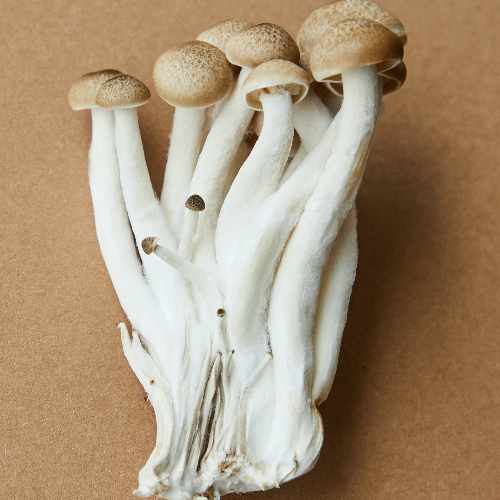
Mushroom nutrition
Per 100 g of raw mushrooms, from USDA FoodData Central:
| Mushroom (100 g, raw) | Calories | Protein | Fiber | Potassium | Selenium | Vitamin D |
|---|---|---|---|---|---|---|
| White button | 22 kcal | 3.1 g | 1.0 g | 318 mg | 9.3 mcg | 0.2 mcg |
| White, UV-exposed | 22 kcal | 3.1 g | 1.0 g | 318 mg | 9.3 mcg | 26 mcg |
| Brown (cremini, chestnut) | 22 kcal | 2.5 g | 0.6 g | 448 mg | 26 mcg | 0.1 mcg |
| Shiitake | 34 kcal | 2.2 g | 2.5 g | 304 mg | 5.7 mcg | 0.4 mcg |
The white mushrooms in our photo are beech mushrooms, popular in East Asian cooking, with a mild, nutty flavor and similar nutrition to other cultivated mushrooms.
Health benefits of mushrooms
Very low in calories
Mushrooms have a meaty texture and savory flavor but very few calories, which makes them useful for bulking out meals. Swapping some of the meat in a bolognese, chili or burger for chopped mushrooms cuts calories and saturated fat without losing flavor.
A plant source of vitamin D
Like human skin, mushrooms make vitamin D when exposed to ultraviolet light. Most mushrooms are grown in the dark and contain very little, but UV-treated mushrooms, sold in some shops and labeled as high in vitamin D, contain much more. USDA data lists about 26 mcg per 100 g for UV-exposed white mushrooms, so even a 50 g portion provides more than the 10 mcg a day the NHS recommends. Amounts vary between products, so check the label. Our guide to vitamin D covers other sources.
Selenium and potassium
Brown mushrooms are a good source of selenium, a mineral involved in thyroid function and protecting cells, with 26 mcg per 100 g, nearly half of an adult’s daily needs. Mushrooms also provide potassium, which helps balance the effect of salt on blood pressure.
Fiber and protein
Mushrooms contain a little protein and fiber, including beta-glucans in their cell walls. They’re not a protein replacement for meat, fish or beans, but they add to the total.
What the research shows
The 2021 meta-analysis found that higher mushroom intake was linked with a lower risk of cancer overall and of breast cancer in particular. These were observational studies, which can’t rule out other differences between people who eat more mushrooms, so the safest conclusion is that mushrooms are a healthy part of a diet rich in vegetables.
Wild mushrooms: a serious warning
Some wild mushrooms are deadly, and poisonous species can look very similar to edible ones. The NHS lists certain plants and mushrooms among the common causes of poisoning. Don’t eat wild mushrooms unless an expert has identified them, and never rely on apps, smell or taste. If you think someone has eaten a poisonous mushroom, get urgent medical help and take a sample or photo of the mushroom with you.
How to choose, clean and store mushrooms
- Choose firm mushrooms with a dry surface and no slimy patches.
- Store them in the fridge in a paper bag, which lets moisture escape. The FDA lists mushrooms among the perishable produce to keep refrigerated at 4°C (40°F) or below.
- Clean just before cooking, either with a quick rinse or by wiping with a damp cloth. Pat them dry so they brown rather than steam.
- Use within about a week.
Mushrooms and meat: a simple swap
Because mushrooms are savory and have a meaty texture, they’re useful for cutting down on red and processed meat. Ideas:
- Bolognese and chili: replace half the ground beef with finely chopped mushrooms.
- Burgers: mix chopped, cooked mushrooms into burger patties, or use a grilled portobello as the burger.
- Stir-fries: use shiitake or oyster mushrooms with tofu or a smaller amount of chicken.
- Breakfast: sautéed mushrooms on toast instead of bacon.
Harvard’s Nutrition Source notes that regularly eating red and processed meat is linked with higher heart disease risk, so swaps like these are worthwhile.
Best ways to cook mushrooms
- Sauté in a hot pan with a little oil, without crowding them, until golden. Add salt at the end so they release less water.
- Roast at 200°C (400°F) for 15 to 20 minutes.
- Grill large portobello mushrooms as a burger alternative.
- Add to soups, stews, risottos and stir-fries. Our mushroom rice pilaf and creamy mushroom tagliatelle are good examples.
- Use dried mushrooms, such as porcini or shiitake, for deep flavor in sauces. Soak them in hot water and use the soaking liquid too.
Common questions
Is it okay to eat raw mushrooms?
Common cultivated mushrooms are often eaten raw in salads in small amounts. Many people find them easier to digest cooked, and cooking brings out more flavor.
Are mushrooms a vegetable?
Botanically, mushrooms are fungi, not plants. In the kitchen and in most nutrition advice, they’re treated as vegetables.
Are mushroom supplements worth taking?
Mushroom extracts, such as lion’s mane or reishi, are widely marketed, but evidence for most health claims is limited. Ask your doctor or pharmacist before taking them, especially if you take regular medicines.
Do mushrooms contain vitamin B12?
Only tiny amounts at most, so they’re not a reliable source. Vegans need fortified foods or a supplement. Our guide to vitamin B12 explains more.
Are mushrooms keto?
Yes. With about 3 g of carbohydrate per 100 g, mushrooms fit easily into low-carb and keto diets.
This article is general information, not medical advice. Talk to your doctor or a registered dietitian before making big changes to how you eat, especially if you have a health condition, take regular medication, or are pregnant or breastfeeding.