To start a vegan diet, change one meal at a time, build meals around beans, lentils, tofu, whole grains, nuts, seeds, vegetables and fruit, and plan for the nutrients that are harder to get without animal foods: vitamin B12, iodine, calcium, iron, vitamin D and omega-3 fats. The NHS notes that vegan sources of B12 are limited and a supplement may be needed. Well planned, a vegan diet can be healthy at every stage of life.
Is a vegan diet healthy?
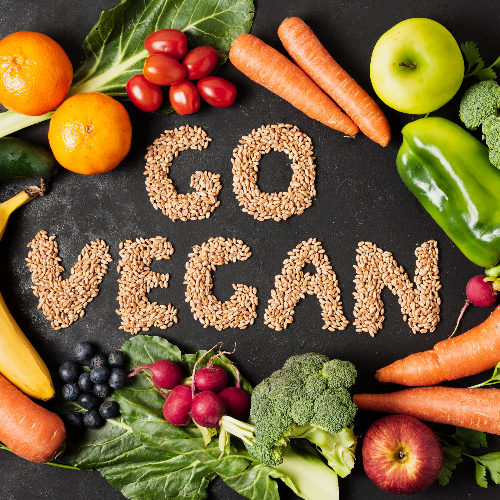
It can be. The Academy of Nutrition and Dietetics states that appropriately planned vegetarian and vegan diets are healthful, nutritionally adequate and appropriate for all stages of life, including pregnancy, childhood, older age and for athletes. The key words are “appropriately planned”. A vegan diet built on chips, white bread and vegan junk food isn’t healthy just because it’s plant-based.
The nutrients to plan for
| Nutrient | Why it matters | Vegan sources |
|---|---|---|
| Vitamin B12 | Healthy blood and nerves | Fortified cereals, fortified plant drinks, yeast extract, nutritional yeast, supplements |
| Calcium | Bones and teeth | Calcium-set tofu, fortified plant drinks, tahini, broccoli, cabbage, okra |
| Iron | Red blood cells | Beans, lentils, whole grains, fortified cereals, dark leafy greens, dried fruit, nuts |
| Vitamin D | Bones and muscles | Sunlight in summer, fortified foods, supplements |
| Omega-3 fats | Heart, brain and eyes | Ground flaxseed, chia seeds, hemp seeds, walnuts, rapeseed (canola) oil |
| Iodine | Thyroid hormones | Fortified foods or supplements |
Based on the NHS guide to the vegan diet.
Vitamin B12
This is the one nutrient you can’t get reliably from unfortified plant foods. The NHS lists fortified breakfast cereals, fortified unsweetened soya drinks and yeast extract as sources, and says a supplement may be needed. Many vegans take one. Ask your pharmacist or doctor which dose suits you.
Calcium
The NHS lists calcium-set tofu, fortified soya, pea and oat drinks, sesame seeds and tahini, and green vegetables such as broccoli, cabbage and okra. It notes that spinach isn’t a good source, because the body can’t absorb all of its calcium.
Iron
Plant iron is absorbed less well than iron from meat. The NHS suggests eating foods rich in vitamin C at the same meal and avoiding tea or coffee during or after main meals. A squeeze of lemon on lentils, or peppers in a bean chili, helps. Our guide to iron-rich foods has more detail.
Vitamin D
Everyone in the UK is advised to consider a vitamin D supplement in autumn and winter, vegan or not. The NHS advises reading the label to make sure the vitamin D in a product isn’t of animal origin. Our guide to vitamin D explains how much you need.
Omega-3 fats
The NHS suggests eating omega-3-rich nuts and seeds every day: ground flaxseed, chia, hemp seeds and walnuts. These provide ALA, a plant omega-3. Our guide to omega-3 foods explains the different types.
Getting enough protein
Protein is rarely a problem on a varied vegan diet that includes legumes. Good sources include tofu, tempeh, lentils, chickpeas, beans, edamame, soy milk, seitan, nuts and seeds. Per 100 g, cooked lentils have about 9 g of protein and firm tofu about 17 g, according to USDA FoodData Central. Including a protein-rich food at each meal is a simple rule.
How to start: a step-by-step plan
- Start with breakfast. Oats with fortified soy milk, fruit and seeds, or whole grain toast with peanut butter and banana.
- Change lunches next. Try hummus and salad wraps, lentil soup, or a grain bowl with chickpeas.
- Learn five vegan dinners you enjoy, such as chickpea curry, bean chili, lentil bolognese, tofu stir-fry and vegetable fried rice with tofu.
- Switch your milk to a fortified, unsweetened plant drink with added calcium and B12.
- Choose your supplements: B12 for certain, vitamin D in winter, and consider iodine. Talk to your pharmacist.
- Read labels. Look out for milk, whey, casein, egg, honey and gelatine in packaged foods.
Our chickpea curry is vegan as written and a good first recipe.
A sample vegan day
- Breakfast: porridge made with fortified soy milk, topped with berries, ground flaxseed and walnuts.
- Lunch: a whole grain wrap with hummus, falafel or chickpeas, salad and tahini dressing.
- Snack: an apple and a small handful of almonds.
- Dinner: lentil and vegetable curry with brown rice and a side of greens.
- Drinks: water, tea, and a glass of fortified plant milk.
Common beginner mistakes
- Swapping meat for processed meat substitutes at every meal. Some are useful, but many are high in salt.
- Not eating enough. Plant foods are often less energy-dense, so portions may need to be bigger.
- Skipping B12. Vegan sources are limited, so don’t assume you’re getting enough without fortified foods or a supplement.
- Choosing unfortified plant milks, which may lack calcium, B12 and iodine.
- Too few legumes. Beans, lentils and tofu are the backbone of a healthy vegan diet.
Who should get advice first
A vegan diet can suit pregnancy, children and older adults, but the Academy of Nutrition and Dietetics stresses careful planning. If you’re pregnant or breastfeeding, raising a vegan child, have a medical condition or have had an eating disorder, talk to your doctor or a registered dietitian before changing your diet.
Common questions
Is a vegan diet good for weight loss?
It can be, especially if it’s built on vegetables, legumes, whole grains and fruit. But vegan food isn’t automatically lower in calories. Chips, pastries and vegan desserts can be just as calorie-dense as their non-vegan versions.
Can children follow a vegan diet?
They can, with careful planning, according to the Academy of Nutrition and Dietetics. Children need enough energy, protein, calcium, iron, vitamin B12, vitamin D and iodine to grow, so talk to your child’s doctor or a dietitian, and give the supplements they recommend.
Do I need to buy special vegan products?
No. Most of a healthy vegan diet is ordinary food: beans, lentils, rice, oats, bread, pasta, vegetables, fruit, nuts and seeds. The main extras worth buying are a fortified plant drink and a B12 supplement.
This article is general information, not medical advice. Talk to your doctor or a registered dietitian before making big changes to how you eat, especially if you have a health condition, take regular medication, or are pregnant or breastfeeding.