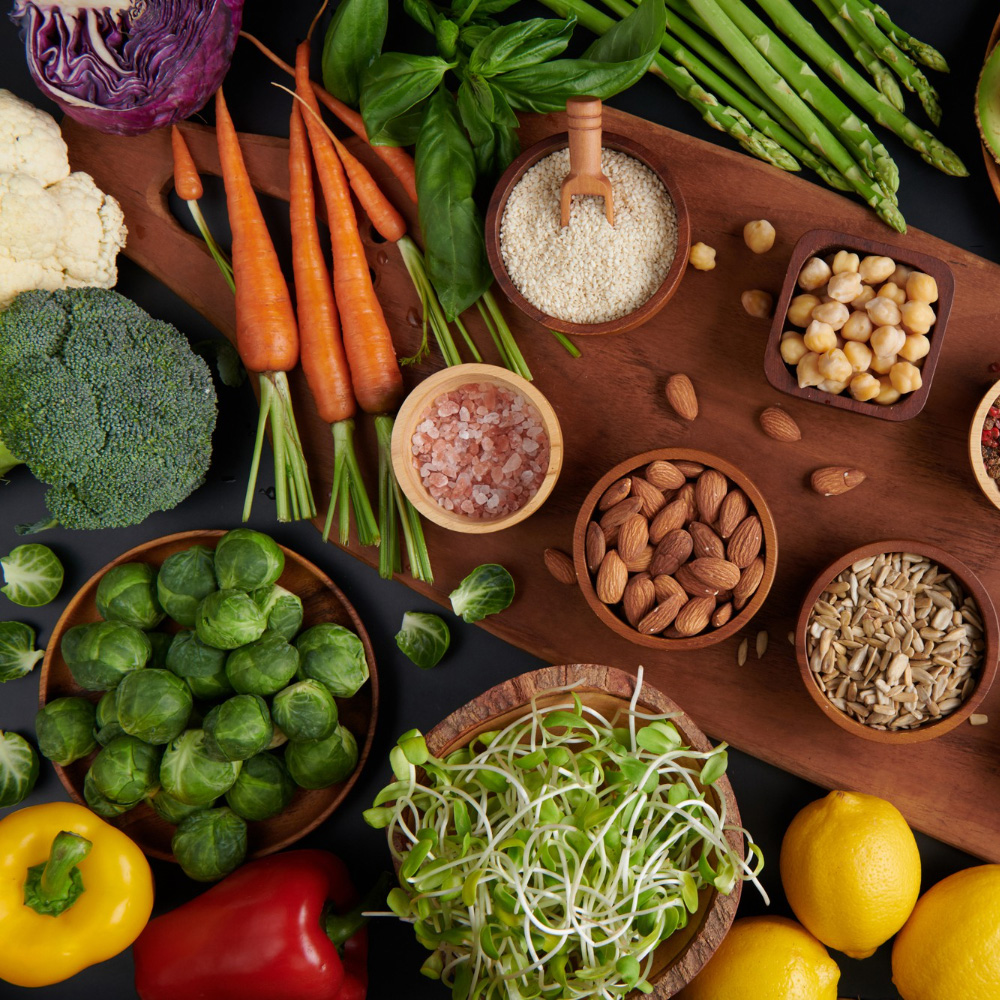
The best plant-based protein sources are soy foods (tempeh, tofu, edamame and soy milk), beans, lentils and chickpeas, nuts and seeds such as hemp, pumpkin seeds and peanuts, and whole grains like quinoa and oats. A 100 g serving of tempeh has about 20 g of protein and firm tofu about 17 g, according to USDA FoodData Central, similar to many meats. Harvard’s Nutrition Source says people who don’t eat animal foods can get all the amino acids they need by eating a variety of plant proteins each day. You don’t need to combine them at every meal.
Plant protein sources compared
Protein per typical portion, from USDA FoodData Central values:
| Food | Portion | Protein |
|---|---|---|
| Tempeh | 100 g | 20 g |
| Firm tofu | 100 g | 17 g |
| Edamame, cooked | 100 g | 12 g |
| Hemp seeds | 30 g (3 tablespoons) | 9.5 g |
| Pumpkin seeds | 30 g | 9 g |
| Lentils, cooked | 100 g | 9 g |
| Chickpeas, cooked | 100 g | 9 g |
| Black beans, cooked | 100 g | 9 g |
| Soy milk, unsweetened | 250 ml glass | 8.4 g |
| Quinoa, cooked | 185 g (1 cup) | 8 g |
| Whole wheat bread | 2 slices | 8 g |
| Peanut butter | 2 tablespoons (32 g) | 7 g |
| Almonds | 30 g | 6.4 g |
| Oats, dry | 40 g | 5.3 g |
| Chia seeds | 2 tablespoons (24 g) | 4 g |
Seitan, made from wheat gluten, is another very high-protein option, with around 20 g or more per 100 g depending on the brand. It isn’t suitable for people with coeliac disease.
How much protein do you need?
The basic recommendation for adults is 0.8 g of protein per kilogram of body weight a day, according to Harvard, or about 56 g for a 70 kg (154 lb) person. Older adults, very active people and people who are pregnant or breastfeeding may need more. A day built around plant foods can easily reach this, as the sample day below shows.
Do you need to combine proteins?
Proteins are made from amino acids, and nine of them, the essential amino acids, must come from food. Harvard explains that animal foods tend to contain all nine in good amounts, while many plant foods are lower in one or more. Grains tend to be low in lysine, for example, while beans are rich in it.
The old advice was to “combine” proteins, such as rice and beans, at every meal. That isn’t necessary. As long as you eat a variety of plant proteins across the day, your body pools the amino acids. Soy contains all nine essential amino acids in good amounts, and Harvard also lists quinoa and chia seeds as complete plant proteins.
Health benefits of plant protein
- Lower cholesterol. Harvard notes that diets higher in plant proteins such as beans, soy and nuts led to lower total and LDL cholesterol than diets with red meat. A meta-analysis of 46 studies found that about 25 g of soy protein a day lowered LDL by 3% to 4%.
- More fiber. Beans, lentils, nuts and whole grains bring fiber with their protein, which animal foods don’t. Our high-fiber foods list shows how much.
- Less saturated fat than red and processed meat.
- Heart health. Harvard points to research linking regular red and processed meat with higher heart disease risk, and swapping them for beans, soy, nuts, fish or poultry with lower risk.
Nutrients to plan for on a plant-based diet
Eating more plant protein is healthy for almost everyone. If you cut out animal foods completely, plan for these nutrients, as the NHS advises:
- Vitamin B12: only reliably found in animal foods, fortified foods and supplements.
- Iron: plant iron is absorbed less well, so pair beans, lentils and greens with vitamin C-rich foods.
- Calcium: from fortified plant milks and calcium-set tofu.
- Omega-3 fats: from walnuts, chia, flax and hemp, or an algae supplement.
- Iodine: often low in vegan diets.
Our guides to starting a vegan diet and iron-rich foods cover these in detail.
A sample day with about 75 g of plant protein
| Meal | Example | Protein |
|---|---|---|
| Breakfast | Oats made with 250 ml soy milk, topped with 2 tablespoons hemp seeds | about 20 g |
| Lunch | Lentil and vegetable soup (100 g lentils) with 2 slices whole wheat bread | about 17 g |
| Snack | 2 tablespoons peanut butter with apple slices | about 7 g |
| Dinner | Tofu stir-fry (150 g firm tofu) with vegetables and 185 g cooked quinoa | about 34 g |
| Total | about 78 g |
Easy ways to eat more plant protein
- Add beans or lentils to soups, stews, pasta sauces and salads. Our red lentil soup and chickpea curry are good starting points.
- Swap half the meat in a chili or bolognese for lentils or beans.
- Snack on edamame, roasted chickpeas or a handful of nuts.
- Sprinkle seeds on porridge, yogurt and salads.
- Try tofu or tempeh in stir-fries, curries and sandwiches.
- Choose soy milk if you use a plant milk, because it has far more protein than almond, oat or rice drinks.
Protein powders
Pea, soy, rice and hemp protein powders can help if you struggle to meet your needs, for example if you’re very active. Most people don’t need them. Choose ones without much added sugar.
Common questions
Is plant protein as good as animal protein?
Soy is close to animal protein in quality. Most other plant proteins are slightly lower in one or more essential amino acids, but eating a variety of them easily makes up for it.
Can you build muscle on plant protein?
Yes. With enough total protein, regular strength training and a variety of sources, plant-based eaters can build muscle.
Do beans give you gas?
They can, especially when you first eat more of them. Increase portions gradually, rinse canned beans, and drink plenty of water. For many people, it settles as the gut adjusts.
Is tofu healthy?
Yes. Firm tofu provides about 17 g of protein per 100 g, and calcium-set tofu is also an excellent source of calcium. It’s low in saturated fat and works in stir-fries, curries, scrambles and salads.
Are plant-based meat substitutes healthy?
They vary. Some are made from soy or pea protein and are high in protein, but many are highly processed and salty. Check the label for salt, and include plenty of whole plant proteins such as beans, lentils and tofu as well.
This article is general information, not medical advice. Talk to your doctor or a registered dietitian before making big changes to how you eat, especially if you have a health condition, take regular medication, or are pregnant or breastfeeding.