High-protein breakfasts are built on eggs, Greek yogurt, cottage cheese, tofu, smoked fish, milk, nuts, seeds and beans. Some easy options with around 15 to 25 g of protein: two eggs on whole grain toast (about 21 g), a 170 g pot of Greek yogurt with nuts (about 18 g), porridge made with milk and topped with peanut butter (about 17 g), or a tofu scramble (about 26 g), based on USDA FoodData Central values. Including protein at breakfast is an easy way to spread it through the day.
How much protein do you need?
The official minimum for adults is 0.8 g of protein per kilogram of body weight a day (0.36 g per pound), as Harvard Health explains. For a 70 kg (154 lb) adult, that’s about 56 g a day. Many people eat little protein at breakfast and a lot at dinner. Spreading it more evenly, with a good source at each meal, is a simple habit.
Your needs may be higher depending on your age, activity and health. A registered dietitian can help you set a personal target.
Protein in breakfast foods
Calculated from USDA FoodData Central values:
| Food | Portion | Protein |
|---|---|---|
| Firm tofu | 150 g | 26.0 g |
| Cottage cheese | 150 g | 16.6 g |
| Plain Greek yogurt (whole milk) | 170 g | 15.3 g |
| Oats with 2% milk | 40 g oats + 250 ml milk | 13.5 g |
| Eggs | 2 large (100 g) | 12.6 g |
| Smoked salmon | 60 g | 11.0 g |
| Whole wheat bread | 2 slices (70 g) | 8.7 g |
| Black beans, canned | 100 g | 6.0 g |
| Peanut butter | 1 tablespoon (16 g) | 3.6 g |
12 high-protein breakfast ideas
- Eggs on whole grain toast: 2 eggs with 2 slices of whole wheat toast, about 21 g of protein.
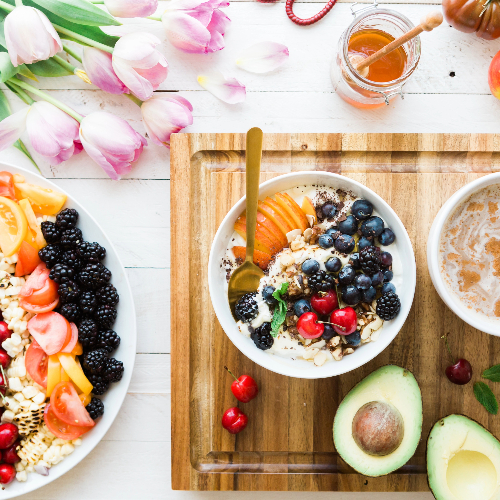
- Greek yogurt bowl: 170 g of plain Greek yogurt with berries and a tablespoon of nuts or seeds, about 18 g.
- Protein porridge: 40 g of oats cooked in 250 ml of milk, topped with a tablespoon of peanut butter, about 17 g.
- Tofu scramble: 150 g of firm tofu crumbled and fried with spinach, tomatoes and turmeric, about 26 g.
- Cottage cheese plate: 150 g of cottage cheese with tomatoes, cucumber and whole grain crackers, about 18 g.
- Smoked salmon toast: 60 g of smoked salmon on whole grain toast with cream cheese and cucumber, about 20 g.
- Breakfast burrito: scrambled eggs, black beans, salsa and a little cheese in a whole wheat wrap.
- Egg muffins: baked egg cups with vegetables, made ahead for the week.
- Overnight oats: oats soaked in milk with Greek yogurt and chia seeds.
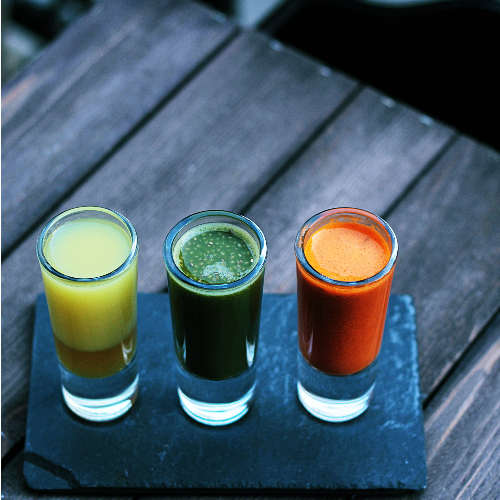
- Smoothie with Greek yogurt: blend milk, Greek yogurt, fruit and a handful of spinach. Our green smoothie has about 15 g of protein.
- Beans on toast: baked or black beans on whole grain toast, with a poached egg for extra protein.
- Shakshuka: eggs poached in a spiced tomato and pepper sauce, with whole grain bread.
Quick options for busy mornings
- Hard-boiled eggs, cooked in a batch. The FDA says hard-cooked eggs keep for up to 1 week in the fridge.
- A pot of Greek yogurt with a handful of nuts.
- A glass of milk with a banana and peanut butter on toast.
- Overnight oats prepared the evening before.
Plant-based high-protein breakfasts
- Tofu scramble with vegetables
- Whole grain toast with hummus and seeds
- Oats made with a fortified soy drink, topped with nuts and seeds
- Beans on toast
- A smoothie made with soy drink, peanut butter and fruit
Our guide to starting a vegan diet covers plant protein in more detail.
Keep an eye on the rest of the plate
- Choose whole grains for fiber.
- Add fruit or vegetables to every breakfast.
- Limit processed meats such as bacon and sausages, which are high in salt and saturated fat. Make them an occasional extra rather than a daily habit.
- Watch sugar in flavored yogurts, granola and “protein” bars. Check the label: the NHS classes more than 22.5 g of total sugars per 100 g as high.
Who might need more protein at breakfast?
- Older adults, to help maintain muscle. Our guide to healthy eating for older adults explains more.
- Active people who train in the morning.
- People trying to lose weight, who may find a protein-rich breakfast keeps them going until lunch.
Sample week of high-protein breakfasts
| Day | Breakfast |
|---|---|
| Monday | Greek yogurt with berries and walnuts |
| Tuesday | Two eggs on whole grain toast with tomatoes |
| Wednesday | Overnight oats made with milk and chia seeds |
| Thursday | Tofu scramble with spinach |
| Friday | Cottage cheese with fruit and whole grain crackers |
| Saturday | Shakshuka with whole grain bread |
| Sunday | Smoked salmon and scrambled eggs |
Rotating like this keeps breakfast interesting and covers a range of nutrients, not just protein.
Common questions
Are protein powders necessary?
Not for most people. Everyday foods such as eggs, yogurt, milk, tofu and beans easily provide enough. If you use a powder, choose one with little added sugar, and check with your doctor if you have kidney disease.
Is a high-protein breakfast safe for everyone?
For most healthy people, yes. If you have kidney disease, your doctor may advise limiting protein, so follow their guidance.
What if I’m not hungry in the morning?
Start small: a glass of milk, a yogurt or a boiled egg. Some people prefer to eat a little later in the morning, which is fine.
Can I eat eggs every day?
For most healthy people, an egg a day is fine. Harvard’s Nutrition Source notes that large long-term studies linked up to one egg a day with no rise in heart disease risk in healthy people, and suggests keeping intake moderate. If you have diabetes or have been told to watch your cholesterol, ask your doctor.
Are high-protein cereals worth buying?
Some are, but check the label. They usually cost more, and some add sugar along with the extra protein. A bowl of ordinary whole grain cereal with milk and a pot of yogurt on the side can give a similar amount. Compare the protein and sugar per serving before you buy.
This article is general information, not medical advice. Talk to your doctor or a registered dietitian before making big changes to how you eat, especially if you have a health condition, take regular medication, or are pregnant or breastfeeding.