Spirulina is a dried blue-green alga sold as a powder or tablets. It’s high in protein and iron per gram, but people take it in such small amounts, usually a teaspoon or a few tablets, that it adds little to an ordinary diet, and there isn’t strong evidence that it treats any health condition. The main concern is quality: France’s food safety agency, ANSES, warns that spirulina products can be contaminated with algal toxins (microcystins), bacteria or metals such as lead, mercury and arsenic, and advises people with phenylketonuria or a tendency to allergies not to take it.
What is spirulina?
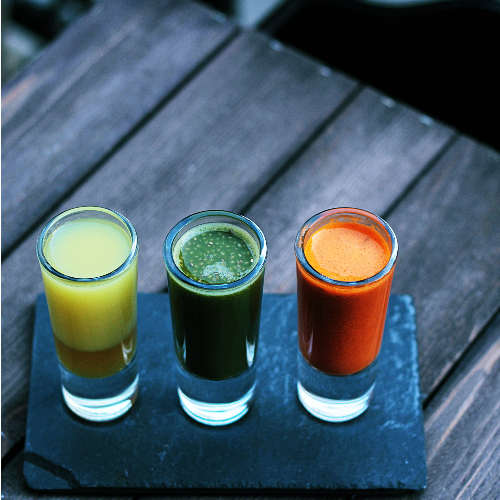
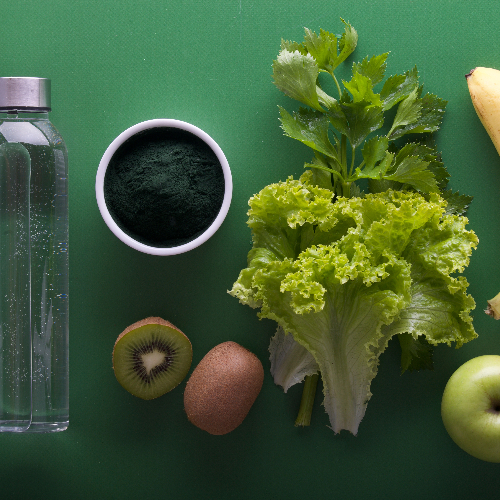
Spirulina is a type of cyanobacteria, often called blue-green algae, that grows in warm, alkaline water. It’s dried and sold as a dark green powder, flakes, capsules or tablets, and is often added to smoothies and “green” drinks.
Spirulina nutrition
Per 100 g of dried spirulina, from USDA FoodData Central:
| Nutrient | Per 100 g | Per tablespoon (about 7 g) |
|---|---|---|
| Calories | 290 kcal | 20 kcal |
| Protein | 57.5 g | 4.0 g |
| Iron | 28.5 mg | 2.0 mg |
| Calcium | 120 mg | 8 mg |
| Sodium | 1,050 mg | 74 mg |
Per gram, spirulina is very rich in protein and iron. But a typical serving is small. One tablespoon gives about 4 g of protein, about two-thirds of what’s in a large egg, and about 2 mg of iron. That’s useful, but you’d get much more protein from a normal portion of beans, lentils, tofu, eggs or fish.
Does spirulina have health benefits?
Spirulina is often marketed for energy, immunity, weight loss, cholesterol and blood sugar. The research behind these claims is limited. Many studies are small, short or in animals, and as ANSES notes, the studies involve too few people to rule out rare side effects. There isn’t good enough evidence to recommend spirulina to treat or prevent any condition. A varied diet with plenty of vegetables, fruit, beans and whole grains is a much better-supported approach. Our guide to green foods shows how ordinary vegetables compare.
Is spirulina safe?
ANSES says spirulina doesn’t appear to pose a health risk at low doses, up to several grams a day in adults, but it has received reports of side effects including digestive problems, allergic reactions, and muscle and liver damage. Its main concerns are:
- Contamination: spirulina can be contaminated with cyanotoxins, especially microcystins, which can damage the liver, as well as bacteria and metals such as lead, mercury and arsenic. Quality depends on where and how it’s grown.
- Phenylketonuria (PKU): spirulina contains phenylalanine, and ANSES advises people with PKU not to take it.
- Allergies: ANSES advises people with an allergic predisposition to avoid it.
Who should avoid spirulina or check first
- People with phenylketonuria should avoid it.
- People prone to allergies should avoid it, as ANSES advises.
- Pregnant and breastfeeding women, and children, because safety hasn’t been established and contamination is a particular concern. Ask your doctor first.
- People with autoimmune conditions or who take medicines that suppress the immune system, because spirulina is sometimes promoted for its effects on the immune system. Talk to your doctor before taking it.
- People taking regular medicines, who should check with a pharmacist, because some supplements interact with medicines.
Spirulina and vitamin B12
Spirulina is sometimes promoted as a source of vitamin B12 for vegans. Don’t rely on it. The NHS lists fortified breakfast cereals, fortified unsweetened soya drinks and yeast extract as vegan sources of B12, and says a supplement may be needed. Our vegan guide explains more.
If you choose to take spirulina
- Buy from a reputable source with clear labelling and a traceable manufacturer, as ANSES recommends.
- Look for independent quality testing, such as third-party certification for contaminants.
- Start with a small amount and stop if you notice side effects.
- Don’t exceed the dose on the label.
- Stop and see a doctor if you notice signs of liver problems, such as yellowing skin or eyes, dark urine, or pain in the upper right of your belly.
- Tell your doctor you’re taking it, especially if you have a health condition or take medicines.
Spirulina vs whole foods
| 1 tablespoon spirulina (7 g) | 1 large egg (50 g) | 100 g cooked lentils | 100 g raw spinach | |
|---|---|---|---|---|
| Protein | 4.0 g | 6.3 g | 9.0 g | 2.9 g |
| Iron | 2.0 mg | 0.6 mg | 3.3 mg | 2.7 mg |
| Fiber | Very little | 0 g | 7.9 g | 2.2 g |
Values from USDA FoodData Central. Whole foods give you similar or larger amounts of these nutrients in a normal portion, plus fiber and other nutrients, without the contamination concerns.
A better way to get the nutrients spirulina offers
If you’re interested in spirulina for protein or iron, these everyday foods provide more in a normal portion, along with fiber:
- Protein: eggs, Greek yogurt, beans, lentils, tofu and fish.
- Iron: lentils, beans, pumpkin seeds, fortified cereals and dark leafy greens. Our guide to iron-rich foods has a full list.
- Antioxidants and plant compounds: a wide range of colorful vegetables and fruit.
Common questions
Is spirulina the same as chlorella?
No. Both are sold as green algae supplements, but chlorella is a green alga, while spirulina is a cyanobacterium. They’re different organisms with different nutrient profiles.
Can spirulina help with weight loss?
There’s no good evidence that it does. Its calories are low in the amounts people take, but it won’t cause weight loss on its own.
Can spirulina replace vegetables?
No. A teaspoon of powder can’t replace the fiber, vitamins and volume of real vegetables. The WHO recommends at least 400 g of fruit and vegetables a day (WHO).
What does spirulina taste like?
It has a strong, earthy, slightly salty taste that many people find hard to enjoy on its own. That’s why it’s usually mixed into smoothies, juice or yogurt, or taken as tablets. Start with a small amount if you’re adding the powder to food.
Is blue spirulina the same thing?
No. “Blue spirulina” is usually phycocyanin, a blue pigment extracted from spirulina. The US FDA lists spirulina extract as an approved food color. It doesn’t contain the full range of nutrients found in whole spirulina powder.
This article is general information, not medical advice. Talk to your doctor or a registered dietitian before making big changes to how you eat, especially if you have a health condition, take regular medication, or are pregnant or breastfeeding.