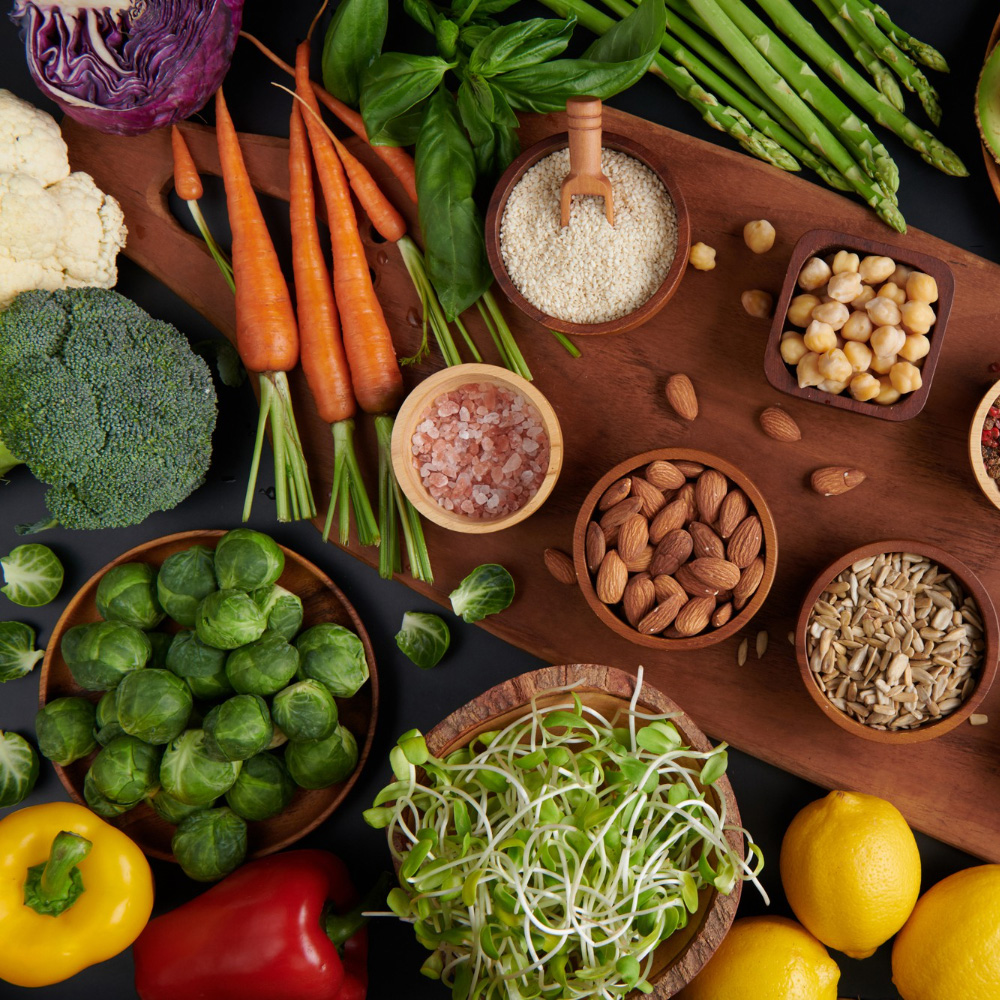
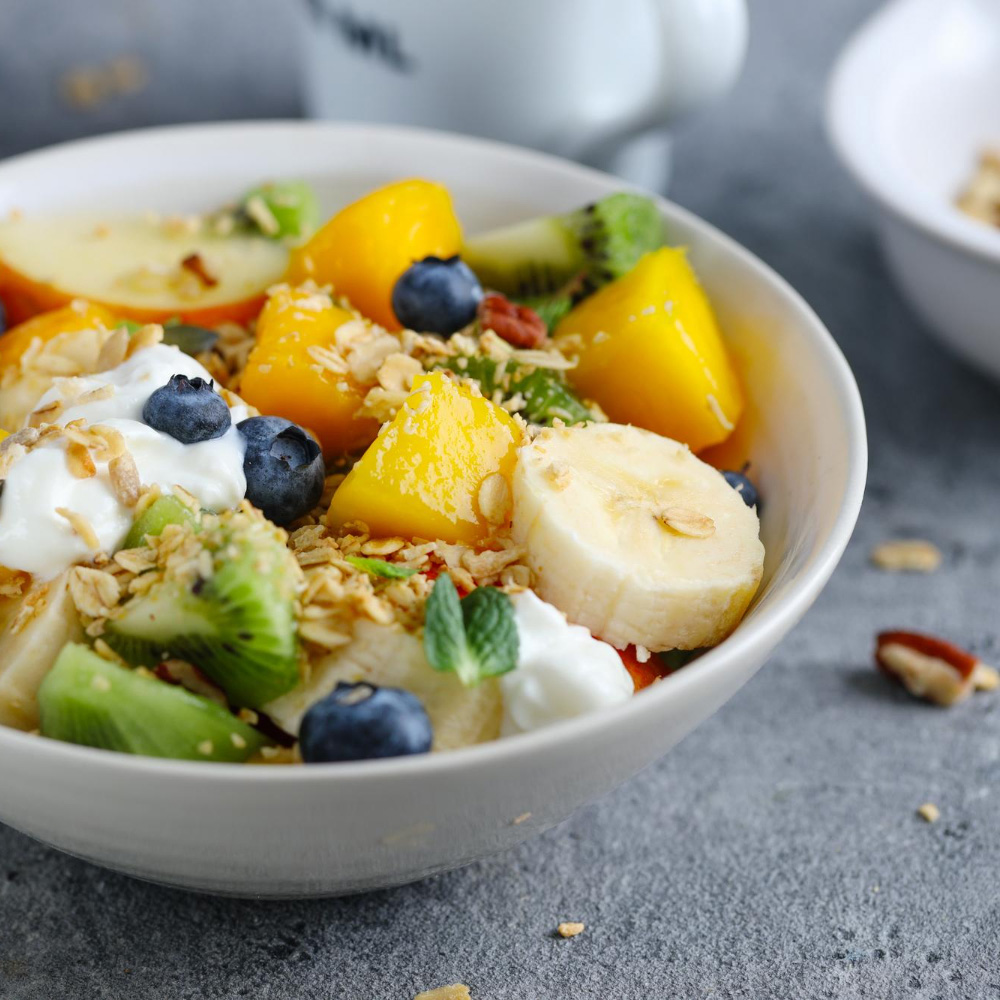
“Green foods” usually means green vegetables and fruits: leafy greens such as kale and spinach, cruciferous vegetables such as broccoli and Brussels sprouts, plus peas, green beans, asparagus, zucchini, avocado and kiwi. They’re worth eating because, between them, they supply fiber, vitamin C, vitamin K, folate and potassium for few calories. The World Health Organization recommends at least 400 g of fruit and vegetables a day, and green ones make that easy.
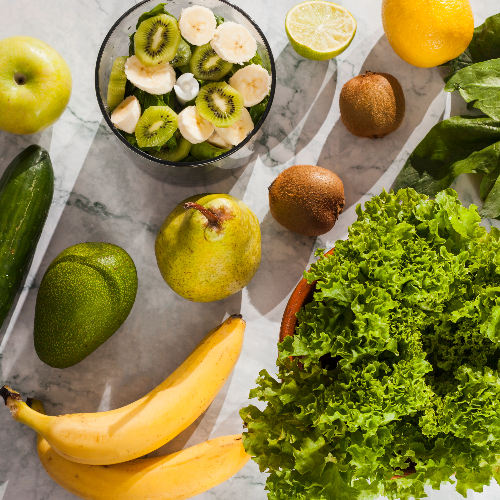
A list of green vegetables
- Leafy greens: kale, spinach, collards, Swiss chard, arugula (rocket), romaine and other lettuces, watercress, bok choy
- Cruciferous vegetables: broccoli, Brussels sprouts, green cabbage, kale (also a cruciferous vegetable)
- Pods and seeds: green peas, snow peas, green beans, edamame (young soybeans)
- Stalks and shoots: asparagus, celery, leeks
- Others: zucchini (courgette), cucumber, green peppers, okra, artichokes
- Herbs: parsley, cilantro (coriander), basil, mint, dill
A list of green fruits
- Avocado
- Kiwi
- Green apples and pears
- Green grapes
- Limes
- Honeydew melon
What green foods give you: a comparison
Here’s how common green foods compare per 100 g (3.5 oz) raw, using values from USDA FoodData Central:
| Food (100 g raw) | Calories | Fiber | Vitamin C | Vitamin K | Folate | Potassium |
|---|---|---|---|---|---|---|
| Kale | 35 | 4.1 g | 93 mg | 390 mcg | 62 mcg | 348 mg |
| Broccoli | 34 | 2.6 g | 89 mg | 102 mcg | 63 mcg | 316 mg |
| Brussels sprouts | 43 | 3.8 g | 85 mg | 177 mcg | 61 mcg | 389 mg |
| Spinach | 23 | 2.2 g | 28 mg | 483 mcg | 194 mcg | 558 mg |
| Green peas | 81 | 5.7 g | 40 mg | 25 mcg | 65 mcg | 244 mg |
| Edamame | 109 | 4.8 g | 10 mg | 31 mcg | 303 mcg | 482 mg |
| Green beans | 31 | 2.7 g | 12 mg | 43 mcg | 33 mcg | 211 mg |
| Asparagus | 20 | 2.1 g | 6 mg | 42 mcg | 52 mcg | 202 mg |
| Zucchini | 17 | 1.0 g | 18 mg | 4 mcg | 24 mcg | 261 mg |
| Avocado | 160 | 6.7 g | 10 mg | 21 mcg | 81 mcg | 485 mg |
| Kiwi | 61 | 3.0 g | 93 mg | 40 mcg | 25 mcg | 312 mg |
A few patterns stand out:
- Vitamin C: kale, broccoli, Brussels sprouts and kiwi each have around 85 to 93 mg per 100 g.
- Vitamin K: leafy greens are by far the richest source. Spinach has about 483 mcg per 100 g, several times the 90 to 120 mcg a day that the NIH Office of Dietary Supplements recommends for adults.
- Folate: edamame and spinach stand out.
- Fiber: peas, avocado, edamame, kale and Brussels sprouts are the best sources in the table.
- Calories: most green vegetables have under 50 calories per 100 g. Avocado and edamame are the exceptions, because of their fat and protein.
No single green food does everything, which is why eating a mix matters more than finding a favorite.
Why green foods are worth eating
Green vegetables and fruits count toward the 400 g of fruit and vegetables a day that the WHO recommends for everyone over 10. Eating more fruit and vegetables is linked to lower levels of inflammation in the body, according to a review of 83 studies. Our guide to leafy greens and inflammation covers that research in more detail.
Green vegetables are also a big part of eating patterns with strong evidence behind them, such as the Mediterranean diet.
Easy ways to eat more green foods
- Breakfast: add a handful of spinach to scrambled eggs or an omelet, or slice avocado onto toast.
- Smoothies: blend a handful of spinach with frozen fruit and milk. The fruit hides the taste.
- Lunch: build salads on mixed leaves and add peas, edamame or green beans for more fiber.
- Dinner: fill half your plate with vegetables, such as roasted broccoli or Brussels sprouts with olive oil.
- Soups and sauces: stir frozen peas or chopped kale into soups, stews and pasta sauces near the end of cooking.
- Snacks: cucumber sticks, sugar snap peas or a kiwi.
- Frozen is fine: frozen peas, spinach, broccoli and edamame are cheap, keep for months and are quick to cook.
Our strawberry arugula salad is a simple way to start.
Raw or cooked?
Both count toward your daily total. Cooking shrinks leafy greens a lot, so a cooked portion packs in more leaves. Vitamin C breaks down with heat and leaches into cooking water, so a good rule of thumb is to cook greens briefly with little water, or to eat the cooking liquid in a soup.
Who should be careful
- If you take warfarin: leafy greens are rich in vitamin K, which affects how warfarin works. The NIH Office of Dietary Supplements says it’s very important to get about the same amount of vitamin K each day. Keep your intake steady, and talk to your doctor before making a big change.
- If you have kidney disease: some greens, such as spinach, are high in potassium. Follow the eating plan your kidney team gives you.
- If you’ve had kidney stones: spinach is high in oxalate, and the NIDDK says people who form calcium oxalate stones may want to limit it. Ask your doctor which greens suit you.
What about green powders?
Green powders and juices made from dried vegetables, wheatgrass or algae are sometimes sold as “green foods”. They aren’t a replacement for eating whole vegetables, which also bring fiber and keep you full. If you take warfarin, check the label for vitamin K, and if you’re thinking about taking one, ask your doctor or pharmacist first.
A simple week of green foods
You don’t need a big overhaul. One green addition at each meal is enough to make a difference over a week:
| Day | Breakfast | Lunch | Dinner |
|---|---|---|---|
| Monday | Spinach in scrambled eggs | Salad with peas and arugula | Roasted broccoli |
| Tuesday | Kiwi with yogurt | Avocado on whole grain toast | Stir-fried green beans |
| Wednesday | Spinach and banana smoothie | Edamame and rice bowl | Brussels sprouts with olive oil |
| Thursday | Avocado on toast | Leftover broccoli in a wrap | Pasta with frozen peas |
| Friday | Green apple with peanut butter | Mixed leaf salad | Zucchini and asparagus traybake |
Use what’s in season and what you enjoy. Frozen green vegetables make every column easy, even at the end of a busy week.
This article is general information, not medical advice. Talk to your doctor or a registered dietitian before making big changes to how you eat, especially if you have a health condition, take regular medication, or are pregnant or breastfeeding.