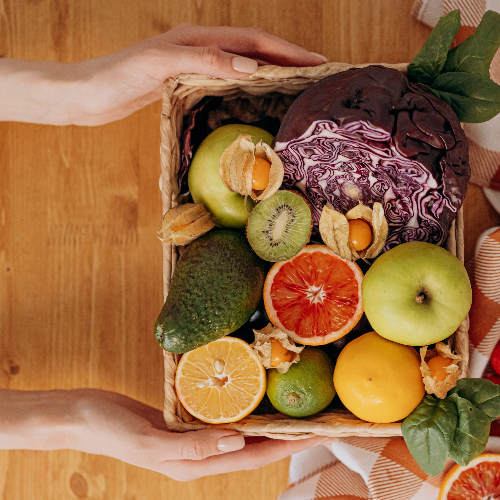
The lowest-sugar fruits are avocado, lemons and limes, raspberries, blackberries, strawberries, watermelon, grapefruit, cantaloupe melon and peaches, each with under 8 g of sugar per 100 g. Higher-sugar fruits include grapes, mangoes, cherries, bananas and dried fruit. But the sugar in whole fruit isn’t the kind health experts worry about: the NHS says sugar found naturally in fruit doesn’t count as free sugar, because it comes packaged with fiber, water, vitamins and minerals. Lower-sugar fruits are most useful if you have diabetes, follow a low-carb diet, or want to manage your weight, but all whole fruit can be part of a healthy diet.
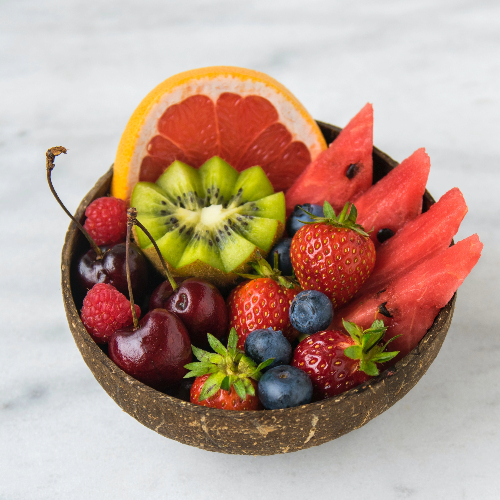
Sugar in common fruits
Per 100 g (3½ oz) raw, from USDA FoodData Central, from lowest to highest sugar:
| Fruit | Sugars | Fiber | Calories |
|---|---|---|---|
| Avocado | 0.7 g | 6.7 g | 160 kcal |
| Lemon, without peel | 2.5 g | 2.8 g | 29 kcal |
| Raspberries | 4.4 g | 6.5 g | 52 kcal |
| Blackberries | 4.9 g | 5.3 g | 43 kcal |
| Strawberries | 4.9 g | 2 g | 32 kcal |
| Watermelon | 6.2 g | 0.4 g | 30 kcal |
| Grapefruit, pink or red | 6.9 g | 1.6 g | 42 kcal |
| Papaya | 7.8 g | 1.7 g | 43 kcal |
| Cantaloupe melon | 7.9 g | 0.9 g | 34 kcal |
| Peaches | 8.4 g | 1.5 g | 39 kcal |
| Kiwifruit | 9 g | 3 g | 61 kcal |
| Apricots | 9.2 g | 2 g | 48 kcal |
| Oranges | 9.4 g | 2.4 g | 47 kcal |
| Pears | 9.8 g | 3.1 g | 57 kcal |
| Pineapple | 9.9 g | 1.4 g | 50 kcal |
| Plums | 9.9 g | 1.4 g | 46 kcal |
| Blueberries | 10 g | 2.4 g | 57 kcal |
| Apples, with skin | 10.4 g | 2.4 g | 52 kcal |
| Bananas | 12.2 g | 2.6 g | 89 kcal |
| Cherries, sweet | 12.8 g | 2.1 g | 63 kcal |
| Mangoes | 13.7 g | 1.6 g | 60 kcal |
| Grapes | 15.5 g | 0.9 g | 69 kcal |
The best low-sugar fruits
Berries
Raspberries, blackberries and strawberries are low in sugar and high in fiber and vitamin C. Raspberries have more fiber than sugar. Fresh or frozen, they’re easy to add to yogurt, porridge and salads.
Citrus
Lemons and limes are very low in sugar and add flavor to water, dressings and cooking. Grapefruit is a low-sugar breakfast fruit, but it interacts with some medicines; our guide to grapefruit benefits explains which.
Melons
Watermelon and cantaloupe are low in sugar per 100 g because they’re mostly water, though they’re low in fiber. Our guide to watermelon nutrition covers it in detail.
Avocado
Technically a fruit, avocado contains almost no sugar and is rich in fiber and healthy fats. Our article on whether avocado is keto explains why it’s popular on low-carb diets.
Kiwi and stone fruit
Kiwifruit, peaches, apricots and plums are moderate in sugar and good sources of vitamin C and fiber.
Should you avoid high-sugar fruits?
For most people, no. Even higher-sugar fruits such as bananas, mangoes and grapes provide fiber, potassium, vitamins and plant compounds. In a study of nearly 190,000 US adults, eating more whole fruits, including grapes, was linked with a lower risk of type 2 diabetes, while drinking more fruit juice was linked with a higher risk. Blueberries, grapes and apples showed the strongest links with lower risk.
That said, portion size matters. A large bunch of grapes or a big glass of smoothie can add up. The NHS counts one portion of fruit as 80 g, such as a medium apple or banana, or a handful of berries.
Low-sugar fruit for diabetes
People with diabetes can and should eat fruit. Tips:
- Spread fruit through the day, rather than eating several portions at once.
- Eat whole fruit rather than juice or smoothies, which raise blood sugar faster.
- Pair fruit with protein or fat, such as yogurt, nuts or cheese, to slow the rise in blood sugar.
- Choose berries, citrus and apples more often if you’re trying to keep carbohydrate lower.
- Limit dried fruit to small portions with meals.
Our type 2 diabetes diet guide explains how fruit fits into a balanced plan.
Low-sugar fruit on keto
On a strict keto diet of 20 to 50 g of carbs a day, most fruit is limited. Small portions of berries, avocado, lemon and lime fit best. Our list of low-carb fruits shows net carbs per portion.
Fruit vs juice vs dried fruit
| Form | Counts toward 5 a day? | Sugar counts as free sugar? |
|---|---|---|
| Whole fresh, frozen or canned fruit in juice | Yes, 80 g a portion | No |
| Dried fruit | Yes, once a day, 30 g a portion | No, but best eaten with meals |
| Fruit juice and smoothies | Yes, once a day, up to 150 ml | Yes |
Our comparisons of smoothies vs juice and guide to dried fruit explain more.
Easy ways to eat more low-sugar fruit
- Add berries to breakfast: stir raspberries or blackberries into porridge or yogurt. Frozen berries are cheap and keep for months.
- Squeeze lemon or lime into water, dressings and marinades.
- Make a citrus salad with grapefruit and orange segments and fresh mint.
- Snack on watermelon or melon in hot weather.
- Use avocado on toast, in salads or blended into smoothies.
- Pair fruit with protein, such as strawberries with cottage cheese or an apple with a few almonds, to make it more filling.
Common questions
Is frozen fruit lower in sugar?
No. Plain frozen fruit has the same natural sugar as fresh. Avoid frozen fruit with added sugar or syrup, and check the label.
Which fruit has the least sugar?
Avocado, followed by lemons and limes, then raspberries, blackberries and strawberries.
Is fruit sugar bad for you?
Not in whole fruit. It comes with fiber and water, which slow its absorption and make fruit filling. It’s the free sugars in sweets, sugary drinks, juices and syrups that most people need to cut down on.
How much fruit should I eat a day?
Aim for at least 5 portions of fruit and vegetables a day, with more vegetables than fruit if you’re watching your sugar intake.
This article is general information, not medical advice. Talk to your doctor or a registered dietitian before making big changes to how you eat, especially if you have a health condition, take regular medication, or are pregnant or breastfeeding.