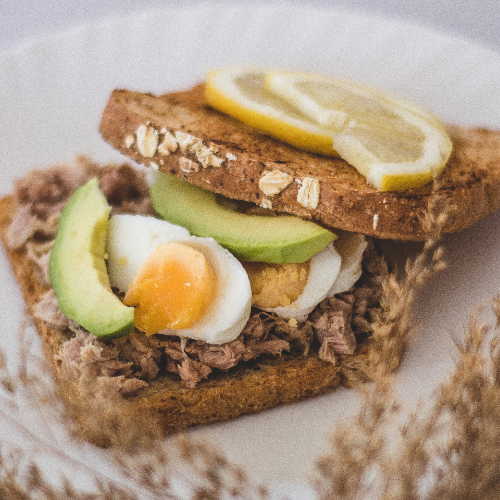
This lighter tuna salad swaps most of the mayonnaise for Greek yogurt, so it stays creamy but has far less fat than a classic version. Canned tuna is mixed with yogurt, a little mayonnaise, Dijon mustard, lemon juice, crunchy celery, red onion, capers and dill. It takes 10 minutes, needs no cooking, and each of the 4 servings has about 140 calories and 17 g of protein. Spread it on whole grain toast, pile it into lettuce cups, or serve it as an open sandwich with avocado, boiled egg and a squeeze of lemon. Canned light tuna is one of the cheapest sources of lean protein, and it’s low in mercury compared with larger tuna species.
- Serves: 4
- Prep time: 10 minutes
- Cook time: none
- Total time: 10 minutes
Ingredients
- 2 cans (about 145 g each drained) light tuna in water or brine, drained
- 100 g (a scant ½ cup) plain low-fat Greek yogurt
- 2 tablespoons (30 g) mayonnaise
- 1 teaspoon Dijon or yellow mustard
- 1 tablespoon lemon juice, plus a little zest
- 2 celery sticks (about 80 g), finely chopped
- ¼ red onion (about 40 g), finely chopped
- 1 tablespoon capers or chopped gherkins
- 2 tablespoons chopped fresh dill or parsley
- Black pepper
To serve (optional)
- 4 slices whole grain or rye bread, toasted
- 1 avocado, sliced
- 2 hard-boiled eggs, sliced
- Lemon wedges and salad leaves
Method
- Drain the tuna well. Press the lid onto the open can over the sink, or tip the tuna into a sieve and press gently. Excess liquid makes the salad watery.
- Soak the onion (optional). If you find raw onion strong, cover the chopped onion with cold water for 5 minutes, then drain. It softens the bite.
- Mix the dressing. In a bowl, stir together the yogurt, mayonnaise, mustard, lemon juice and zest and plenty of black pepper.
- Combine. Add the tuna, celery, onion, capers and dill. Fold together with a fork, breaking the tuna into flakes but leaving some texture.
- Taste. Add more lemon or pepper if needed. The capers and tuna are already salty, so you probably won’t need salt.
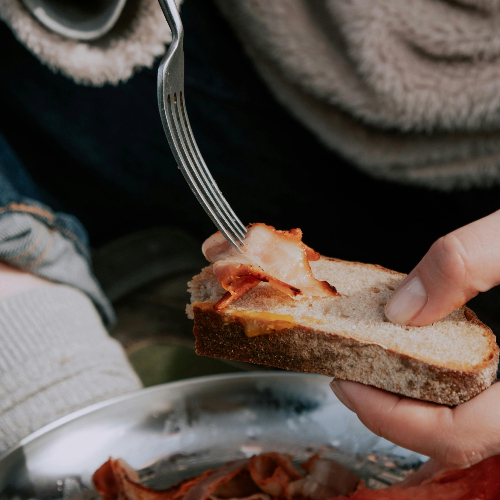
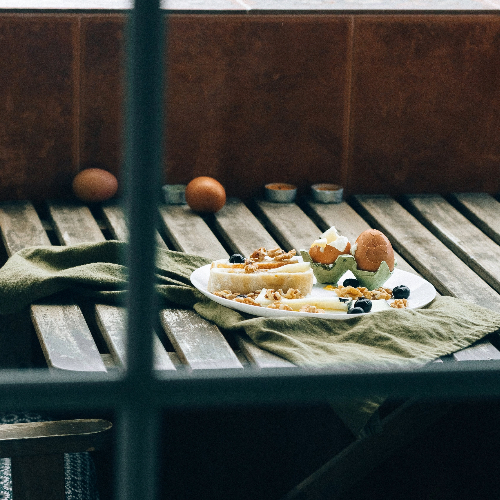
- Serve. Spread on toast and top with avocado, sliced egg and a squeeze of lemon, or serve in lettuce leaves, a wrap or on a salad.
Tips
- Choose tuna in water or brine for a lighter salad. Tuna in oil works too but adds calories; drain it well.
- Chop the vegetables small so every bite has crunch without large chunks.
- Use thick Greek yogurt. Thin yogurt makes the salad runny.
- Make it ahead but keep the bread separate so it doesn’t go soggy.
- Add the avocado just before serving so it doesn’t brown.
Swaps and variations
- Salmon: use canned salmon instead of tuna for more omega-3 fats.
- Chickpea version: replace the tuna with a can of mashed chickpeas for a vegetarian filling. Our chicken salad wraps use a similar dressing.
- Spicy: add a little sriracha, chili flakes or chopped jalapeño.
- Mediterranean: use olives, sun-dried tomatoes, basil and a drizzle of olive oil instead of mayonnaise.
- Curry: add ½ teaspoon of curry powder and a spoonful of chopped mango.
- No mayonnaise: use all yogurt, with an extra squeeze of lemon and a teaspoon of olive oil.
Nutrition per serving (estimate)
One serving is a quarter of the tuna salad, without the bread, avocado or egg. These figures were calculated from USDA FoodData Central values for light tuna canned in water, low-fat Greek yogurt, regular mayonnaise, prepared mustard, lemon juice, celery, onion, capers and dill.
| Nutrient | Per serving |
|---|---|
| Calories | 140 kcal |
| Protein | 17 g |
| Carbohydrate | 3 g |
| Fiber | 0.5 g |
| Sugars | 1.5 g |
| Fat | 7 g |
| Saturated fat | 1.5 g |
| Sodium | 325 mg |
A classic tuna mayonnaise made with about 100 g of mayonnaise for the same amount of tuna would have about 70% more calories and nearly three times the fat per serving. An open sandwich with a slice of whole grain toast, a quarter of an avocado and half an egg adds about 210 calories, plus fiber and healthy fats. Sodium varies by brand of tuna, so look for cans labeled reduced salt or “in spring water” if you’re watching salt.
Contains: fish (tuna), milk (yogurt), egg (mayonnaise) and mustard. Check the serving extras for wheat (gluten) and egg.
How often can you eat tuna?
Tuna contains mercury, and larger species contain more. The US Food and Drug Administration lists canned light tuna, including skipjack, among its “Best Choices” and advises adults to eat 2 to 3 servings a week from that list, while albacore (white) tuna is higher in mercury and best eaten less often. For pregnancy, the NHS advises no more than 4 cans or 2 tuna steaks a week. Canned tuna is a lean protein but contains much less omega-3 than oily fish such as salmon, sardines or mackerel, so it’s best not to rely on it as your only fish. Our guide to omega-3 foods compares them.
Storage
Keep the tuna salad in a covered container in the fridge and eat it within 2 days. Don’t leave it out of the fridge for more than 2 hours, or 1 hour in hot weather, which matters for packed lunches; use an insulated bag with an ice pack. Tuna salad doesn’t freeze well, as the yogurt and mayonnaise separate. Our healthy lunchbox ideas have more packed lunch tips.
Common questions
Is tuna salad healthy?
It can be. This version is high in protein and low in saturated fat. Classic recipes heavy in mayonnaise and served on white bread are higher in calories and fat.
Can I use fresh tuna?
Yes. Sear or poach a tuna steak until cooked through, cool it and flake it. Our seared tuna steak shows the method.
Is tuna salad keto?
The salad itself is low in carbs, with about 2.5 g of net carbs per serving. Serve it in lettuce cups or with avocado instead of bread.
This article is general information, not medical advice. Nutrition figures are estimates from USDA FoodData Central and will change with the brands and amounts you use. If you follow a diet for a medical reason, check the recipe with your doctor or dietitian.