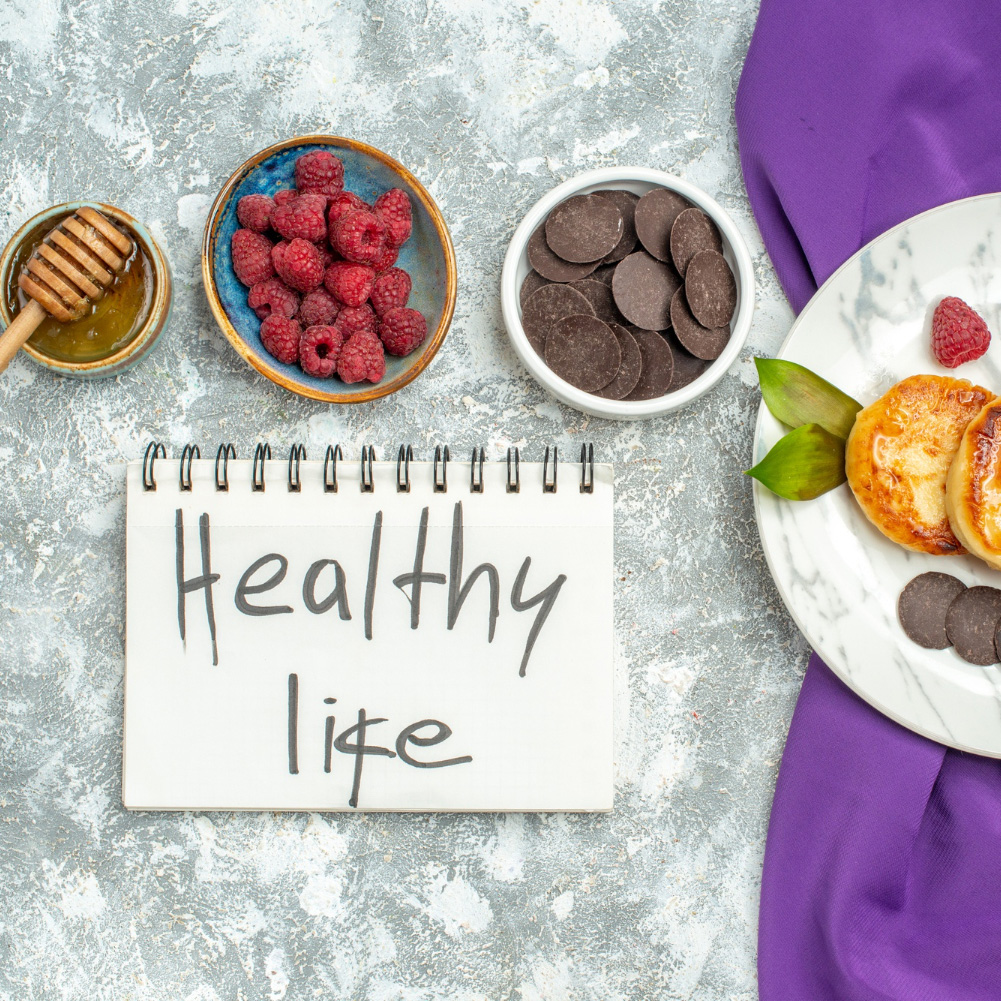
Dark chocolate can be part of a healthy diet in small amounts. Chocolate with 70% to 85% cocoa provides fiber, iron, magnesium and copper, and its cocoa flavanols may help blood vessels relax, according to Harvard’s Nutrition Source. But it’s also rich in calories and saturated fat, it still contains sugar, and some bars contain traces of lead and cadmium. About 20 to 30 g (two to three squares) a few times a week is a sensible amount, and the darker the chocolate, the more cocoa and the less sugar you get.
Dark chocolate nutrition
Per 30 g (about three squares), calculated from USDA FoodData Central values:
| Per 30 g | Dark, 70% to 85% cocoa | Dark, 60% to 69% cocoa | Milk chocolate |
|---|---|---|---|
| Calories | 179 kcal | 174 kcal | 161 kcal |
| Sugars | 7.2 g | 11.0 g | 15.5 g |
| Fiber | 3.3 g | 2.4 g | 1.0 g |
| Fat | 12.8 g | 11.5 g | 8.9 g |
| of which saturated | 7.4 g | 6.6 g | 5.6 g |
| Iron | 3.6 mg | 1.9 mg | 0.7 mg |
| Magnesium | 68 mg | 53 mg | 19 mg |
| Copper | 0.5 mg | 0.4 mg | 0.15 mg |
| Caffeine | 24 mg | 26 mg | 6 mg |
Three squares of 70% to 85% dark chocolate provide about a fifth of an adult’s daily magnesium and over half of the daily copper most adults need. The iron is the plant form, which the body absorbs less easily than iron from meat.
How dark chocolate is different
Harvard explains that dark chocolate contains 50% to 90% cocoa solids, cocoa butter and sugar, while milk chocolate contains 10% to 50% cocoa solids with milk and more sugar. White chocolate contains no cocoa solids at all, just cocoa butter, sugar and milk. The cocoa percentage on the label tells you how much of the bar comes from the cocoa bean. The rest is mostly sugar.
Possible benefits
Cocoa flavanols and blood vessels
Cocoa is rich in plant compounds called flavanols. Harvard notes that flavanols support the production of nitric oxide in the lining of blood vessels, which helps them relax and can lower blood pressure, and that they improved insulin sensitivity in short-term studies. Dark chocolate contains two to three times more flavanol-rich cocoa solids than milk chocolate.
What a large trial found
The best test so far is the COSMOS trial, which gave about 21,000 older adults either a cocoa extract supplement with 500 mg of flavanols a day or a placebo for a median of 3.6 years. The supplement didn’t significantly reduce total heart attacks, strokes and other cardiovascular events, the main outcome. It was linked with 27% fewer deaths from cardiovascular disease, but that was a secondary result and needs confirming. Importantly, the trial used a supplement, not chocolate. Getting 500 mg of flavanols from chocolate would mean eating a lot of calories, fat and sugar, because processing removes many flavanols.
The fair summary: cocoa flavanols look promising for heart health, but eating more chocolate isn’t a proven way to protect your heart.
The downsides
Calories and saturated fat
Harvard puts dark chocolate at about 150 to 170 calories per ounce (28 g). A whole 100 g bar of 70% to 85% chocolate has nearly 600 calories and about 24 g of saturated fat, more than the 22 g limit for someone eating 2,000 calories a day under the WHO’s advice to keep saturated fat under 10% of energy.
Sugar
Even 70% chocolate is about a quarter sugar by weight. Bars around 60% contain about a third. Choosing a higher cocoa percentage is the easiest way to get less sugar.
Lead and cadmium
Harvard notes that dark chocolate and cocoa powder sometimes contain small amounts of cadmium and lead. Cadmium is taken up by cocoa plants from the soil, and lead can contaminate beans during drying and processing. Lead is a greater risk for children and during pregnancy. To limit exposure:
- Treat dark chocolate as a treat rather than a daily staple in large amounts.
- Vary the brands you buy.
- Be more cautious with dark chocolate and cocoa for young children and during pregnancy.
Caffeine and theobromine
Dark chocolate contains caffeine and the related stimulant theobromine. Three squares have about 24 mg of caffeine, much less than a cup of coffee, but enough to affect sensitive people late in the evening. Our guide to green tea compares caffeine in common drinks.
Keep it away from dogs
The ASPCA warns that chocolate can cause vomiting, an abnormal heart rhythm, seizures and even death in pets, and that the darker the chocolate, the greater the risk.
How to choose a healthier dark chocolate
- Look for 70% cocoa or more. It has less sugar and more cocoa.
- Check the ingredient list. Cocoa (or cocoa mass, cocoa liquor) should come first, with sugar further down.
- Avoid bars with added fillings, caramel, nougat or a long list of extras.
- Be aware of “Dutch-processed” or alkalized cocoa. This processing gives a milder taste but lowers flavanols.
- Mind the portion. Break off a few squares and put the bar away.
Healthier ways to enjoy chocolate
- Pair it with fruit: two squares with strawberries or orange segments.
- Use cocoa powder: a spoonful of unsweetened cocoa in porridge, yogurt or smoothies gives chocolate flavor with little sugar or fat.
- Melt and drizzle a small amount over fruit instead of eating a whole bar.
- Make chocolate bark with nuts and seeds, and break it into small pieces.
Our list of healthy snack ideas has more sweet options.
Common questions
How much dark chocolate is healthy a day?
There’s no official amount. About 20 to 30 g, two to three squares, is a reasonable treat that keeps calories and saturated fat in check.
Is dark chocolate good for weight loss?
No food causes weight loss on its own, and chocolate is calorie-dense. A small piece can satisfy a sweet craving, which may help some people avoid larger, sweeter snacks.
Does dark chocolate contain dairy?
Pure dark chocolate shouldn’t, but Harvard notes that traces of milk can get in from shared factory equipment. If you have a milk allergy, check the label for “may contain” warnings.
This article is general information, not medical advice. Talk to your doctor or a registered dietitian before making big changes to how you eat, especially if you have a health condition, take regular medication, or are pregnant or breastfeeding.