Green tea is a healthy drink, but most of its famous benefits are smaller than they sound. According to the US National Center for Complementary and Integrative Health (NCCIH), green tea may have a modest effect on body weight, and trials show it lowers LDL cholesterol only to a small extent. Research on cancer has been inconsistent. As a drink it’s considered safe for adults, but concentrated green tea extract supplements have been linked to rare liver damage.
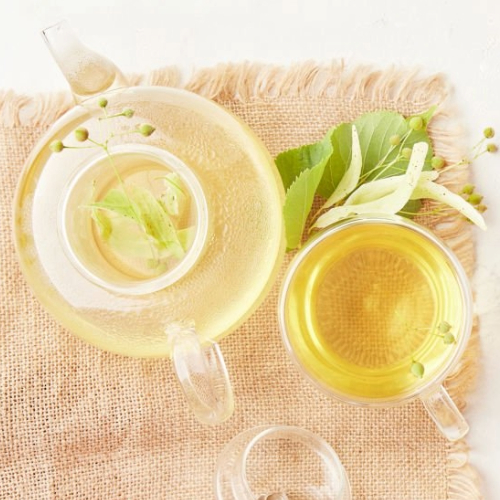
What’s in green tea
Green tea comes from the same plant as black tea, Camellia sinensis, but the leaves are heated soon after picking instead of being left to oxidize. That keeps more of a group of plant compounds called catechins, the best known being EGCG (epigallocatechin gallate). Most research on green tea focuses on these catechins and on caffeine, as the NCCIH’s summary shows.
A cup of plain green tea has almost no calories. A 12-ounce (355 ml) serving has about 37 mg of caffeine, compared with about 71 mg for black tea, according to the US Food and Drug Administration. Brewed coffee usually has much more.
What the evidence says, benefit by benefit
Weight loss
The NCCIH says the catechins and caffeine in green tea and its extracts may have a modest effect on body weight, and that the effect may depend on the product used and the person’s activity level. In other words, swapping a sugary drink for green tea helps, but the tea itself won’t do much for your weight.
Heart health and cholesterol
In randomized trials, green tea lowered total and LDL (“bad”) cholesterol to a small extent, but didn’t change HDL (“good”) cholesterol or triglycerides. Most of those trials tested extract supplements rather than the drink. Green tea drinking has been linked to lower risk of coronary heart disease in Asian populations, but not in Western ones (NCCIH).
Cancer
Studies on green tea and cancer risk have produced inconsistent results, according to the NCCIH. Green tea is not a cancer treatment or a proven way to prevent cancer.
Is green tea safe?
For most adults, yes. The NCCIH says no safety concerns have been reported for green tea consumed as a beverage by adults, apart from its caffeine.
Caffeine. The FDA says 400 mg a day is not generally associated with negative effects for most healthy adults. At about 37 mg per 12-ounce serving, you’d need to drink a very large amount of green tea to reach that, but caffeine from coffee, cola and energy drinks adds up. If tea affects your sleep, stick to the morning or choose decaffeinated green tea, which still has a little caffeine.
Pregnancy and breastfeeding. The FDA advises people who are pregnant, trying to get pregnant or breastfeeding to ask their healthcare provider whether they need to limit caffeine.
Green tea extract supplements: a different story
Supplements are much more concentrated than the drink. The NCCIH reports that extracts can cause nausea, constipation, stomach discomfort and raised blood pressure. Liver injury is uncommon but has been reported, mainly with extract tablets and capsules. People with a particular immune-related gene variant, found in an estimated 5 to 15% of Americans, appear to be especially susceptible.
Green tea can also interact with some medicines. According to the same NCCIH page:
- High doses of green tea can lower blood levels of nadolol, a beta-blocker used for high blood pressure and heart problems.
- Green tea extract can lower blood levels of atorvastatin, a cholesterol-lowering statin.
- An interaction has also been found with raloxifene, a medicine used for osteoporosis.
If you take any regular medicine, talk to your doctor or pharmacist before taking green tea supplements. If you notice signs of liver trouble, such as yellowing skin or eyes, dark urine or pain in the upper right of your belly, stop the supplement and see a doctor promptly.
How to make a good cup of green tea
Green tea turns bitter if it’s brewed too hot or too long. A simple method:
- Heat water until it’s hot but not boiling, about 70 to 80°C (160 to 175°F). If you don’t have a thermometer, let boiled water stand for a few minutes.
- Use about 1 teaspoon of loose leaves or 1 tea bag per 250 ml (1 cup) of water.
- Steep for 2 to 3 minutes, then remove the leaves or bag.
- Taste before adding anything. A slice of lemon or a sprig of mint works well.
Iced green tea is easy too: brew it a little stronger, cool it, then pour it over ice.
How green tea fits into a healthy diet
The biggest benefit of green tea may simply be what it replaces. Unsweetened green tea is a good alternative to sugary drinks, and it counts toward your daily fluids. The NHS includes tea in the drinks that make up your daily intake. Our guide to how much water to drink covers the rest.
Watch out for bottled green teas and green tea lattes, which are often sweetened. Our guide to how much sugar per day explains how quickly sweetened drinks add up.
Matcha vs regular green tea
Matcha is powdered green tea leaf, whisked into water so you drink the whole leaf rather than an infusion, and how strong it is depends on how much powder you use. If you’re watching your caffeine, check the label or the cafe’s information. A matcha latte made with sweetened syrup is closer to a dessert drink than a cup of tea.
Common questions
How many cups of green tea a day is safe?
For most healthy adults, several cups a day is fine. The main limit is caffeine. At about 37 mg per 12-ounce (355 ml) serving, green tea is well below the 400 mg a day that the FDA says isn’t generally linked with negative effects, but remember to count coffee, cola and energy drinks too. If you’re pregnant or breastfeeding, ask your healthcare provider about your caffeine limit.
Does green tea dehydrate you?
No. The NHS counts tea, including caffeinated tea, toward your daily fluid intake.
Is green tea better than black tea?
Both come from the same plant. Green tea has less caffeine per cup, about 37 mg per 12 ounces compared with about 71 mg for black tea, according to the FDA. Beyond that, the best tea is the unsweetened one you enjoy drinking.
Should I drink green tea on an empty stomach?
Some people find strong green tea on an empty stomach makes them feel sick. If that happens to you, drink it with or after food, or brew it weaker.
This article is general information, not medical advice. Talk to your doctor or a registered dietitian before making big changes to how you eat, especially if you have a health condition, take regular medication, or are pregnant or breastfeeding.