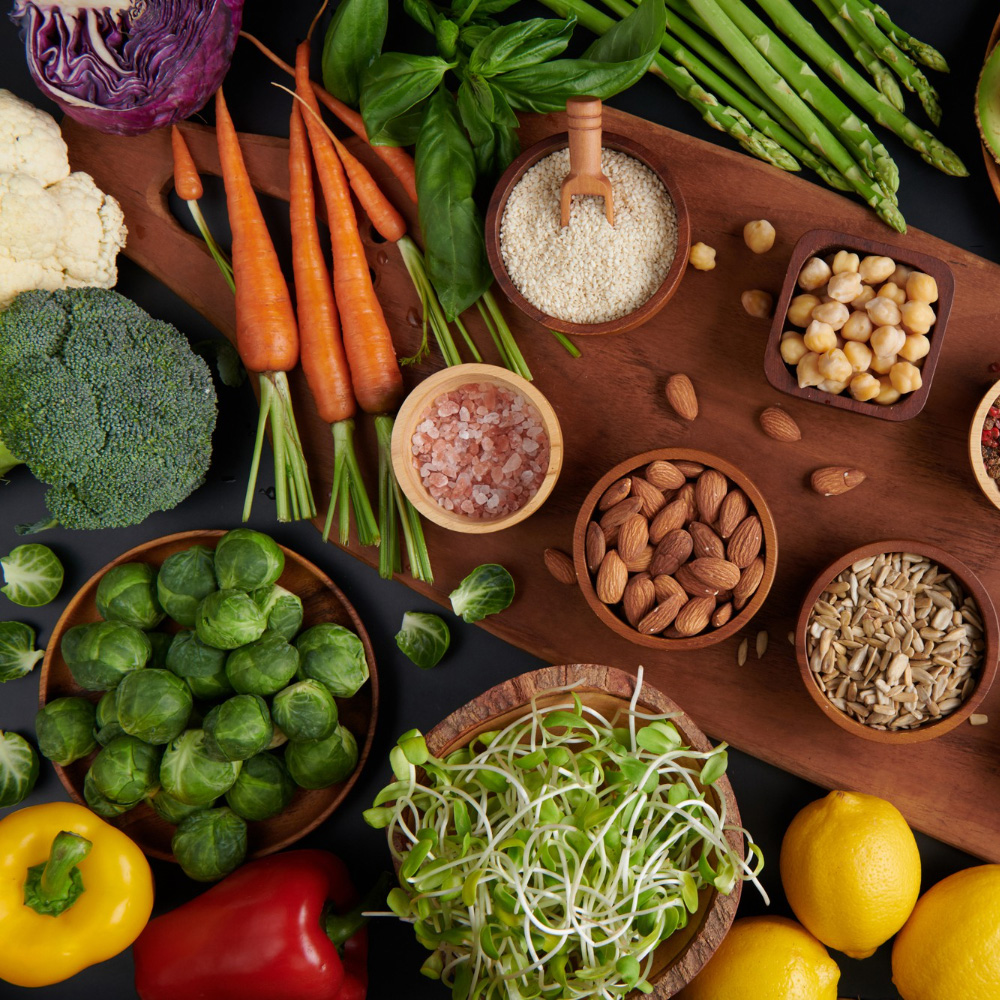
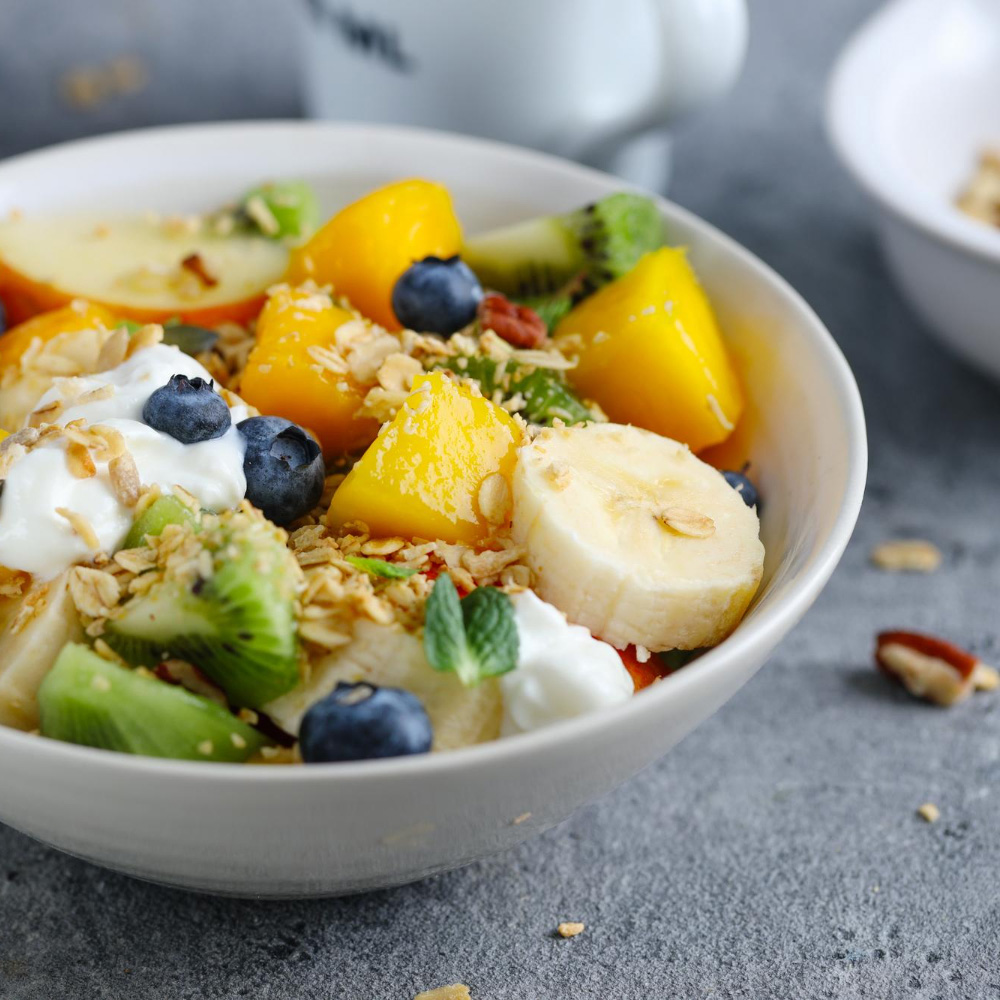
The Mediterranean diet is a way of eating based on the traditional food of countries around the Mediterranean Sea: plenty of vegetables, fruit, whole grains, beans, nuts and olive oil, fish at least twice a week, smaller amounts of poultry, eggs and dairy, and red meat only a few times a month. It has some of the strongest evidence of any eating pattern. In a large Spanish trial called PREDIMED, people at high risk of heart disease who followed it had about 30% fewer heart attacks, strokes and heart-related deaths.
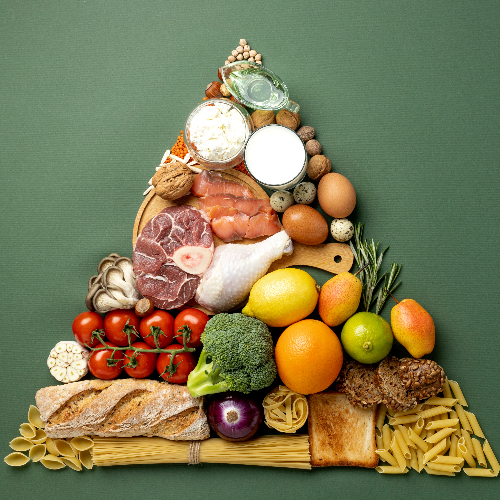
What you eat on a Mediterranean diet
There’s no single official menu, but Harvard’s Nutrition Source describes the pattern like this:
| How often | Foods |
|---|---|
| Every day | Vegetables, fruit, whole grains, beans and other legumes, nuts, olive oil, herbs and spices |
| At least twice a week | Fish and seafood |
| Daily or a few times a week, in smaller portions | Poultry, eggs, cheese and yogurt |
| A few times a month | Red meat |
| Main drink | Water |
Olive oil is the main fat, used for cooking, dressing salads and drizzling over vegetables. Sweets, refined grains and processed meat play only a small part.
What the research shows
The PREDIMED trial
The best-known evidence comes from PREDIMED, a trial of 7,447 people in Spain aged 55 to 80 who were at high risk of heart disease but didn’t have it yet. They were assigned to a Mediterranean diet with extra-virgin olive oil, a Mediterranean diet with mixed nuts, or a control diet with advice to cut fat.
After a median of 4.8 years, major cardiovascular events (heart attack, stroke or death from heart disease) happened to 3.8% of the olive oil group and 3.4% of the nut group, compared with 4.4% of the control group. After adjusting for differences between the groups, that was about 31% and 28% lower risk respectively.
It’s worth knowing the trial’s history. The first results, published in 2013, were withdrawn after the researchers found problems with how some participants were assigned to groups. The corrected 2018 analysis reached very similar conclusions.
Other research
Harvard’s review of the evidence also describes a study of nearly 26,000 women in which those who followed the diet most closely had about 25% lower risk of heart disease over 12 years, and a meta-analysis linking close adherence with 24% lower cardiovascular risk and 23% lower risk of early death. Those were observational studies, which show a link rather than proof of cause, but they point the same way as the trial.
Why it seems to work
No single food explains the benefits. The diet is high in fiber, from vegetables, fruit, beans and whole grains, and its main fats are unsaturated ones from olive oil, nuts and fish. The NHS explains that replacing saturated fats with some unsaturated fats can help lower cholesterol. It’s also low in the foods Harvard Health links with inflammation, such as refined carbohydrates, fried foods, sugary drinks and processed meat.
Harvard’s review makes the important point that the benefits come from the whole pattern. Adding olive oil or nuts to an otherwise unchanged diet isn’t the same thing.
How to start: 7 simple swaps
- Cook with olive oil instead of butter or other solid fats.
- Fill half your plate with vegetables at lunch and dinner.
- Eat beans, lentils or chickpeas at least two or three times a week, in soups, salads, stews or dips.
- Have fish twice a week, including oily fish such as salmon, sardines or mackerel. Canned fish counts.
- Choose whole grains: whole wheat bread, brown rice, bulgur, barley and oats.
- Snack on a small handful of nuts or a piece of fruit instead of biscuits or crisps.
- Make red meat an occasional meal, and use herbs, garlic, lemon and spices for flavor.
A sample Mediterranean day
- Breakfast: plain Greek yogurt with fruit, a few walnuts and a drizzle of honey.
- Lunch: a big salad of leaves, tomatoes, cucumber, chickpeas and feta with olive oil and lemon, plus whole grain bread.
- Snack: an apple or orange and a small handful of almonds, or vegetable sticks with hummus.
- Dinner: baked salmon with roasted vegetables and a side of bulgur or brown rice.
- Dessert: fresh fruit, such as berries, figs or an orange.
- Starter, if you want one: our strawberry arugula salad with olive oil dressing.
Our chickpea curry isn’t traditionally Mediterranean, but it’s built from the same ingredients: legumes, vegetables, olive oil and spices.
A Mediterranean shopping list
- Vegetables: tomatoes, leafy greens, peppers, zucchini, eggplant, onions, garlic
- Fruit: whatever’s in season, plus frozen berries
- Grains: whole wheat bread, brown rice, bulgur, whole wheat pasta, oats
- Legumes: canned chickpeas, lentils and white beans
- Protein: salmon, sardines, canned tuna, eggs, chicken
- Dairy: plain Greek yogurt, feta, a hard cheese
- Fats and extras: extra-virgin olive oil, nuts, seeds, olives, herbs, lemons
What about wine?
Traditional Mediterranean eating includes wine with meals, and Harvard’s description of the diet allows moderate wine. But if you don’t drink, there’s no reason to start. The World Health Organization states that no level of alcohol consumption is safe for health, and says studies suggesting heart benefits from light drinking haven’t shown that they outweigh the cancer risk. Water is the everyday drink.
Common mistakes
- Big portions of healthy-sounding food. Olive oil, nuts and cheese are high in calories. Harvard’s review notes that the diet doesn’t set portion sizes, so it’s possible to eat more than you need.
- Only changing the fat. Pouring olive oil over the same meals isn’t the Mediterranean diet. The vegetables, beans, whole grains and fish do much of the work.
- Treating restaurant “Mediterranean” food as the real thing. Pizza, fries and large portions of pasta aren’t the vegetable, bean and olive oil based pattern that trials such as PREDIMED tested.
Who should check with a doctor first
The Mediterranean diet suits most people. If you take warfarin, keep your intake of leafy greens steady, because they’re rich in vitamin K (our guide to leafy greens explains why). If you have a health condition or a medically prescribed diet, check with your doctor or a registered dietitian before changing how you eat.
This article is general information, not medical advice. Talk to your doctor or a registered dietitian before making big changes to how you eat, especially if you have a health condition, take regular medication, or are pregnant or breastfeeding.