Yes, walnuts are good for you. They’re the richest common nut source of ALA, a plant omega-3 fat: a 30 g handful (about 7 whole walnuts) has around 2.7 g, according to USDA FoodData Central, more than an adult’s daily needs. In a meta-analysis of 26 trials, diets that included walnuts lowered LDL cholesterol by about 5.5 mg/dL and triglycerides by about 4.7 mg/dL compared with control diets. They’re also high in calories, at about 196 per handful, so a small handful a day is the sensible amount.
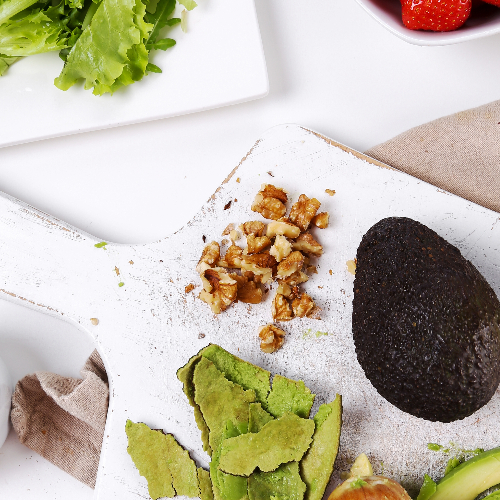
Walnut nutrition
Per 30 g (about 7 whole walnuts or 14 halves), calculated from USDA FoodData Central values:
| Nutrient | Per 30 g |
|---|---|
| Calories | 196 kcal |
| Fat | 19.6 g |
| of which polyunsaturated | 14.2 g |
| of which monounsaturated | 2.7 g |
| of which saturated | 1.8 g |
| ALA omega-3 | 2.7 g |
| Protein | 4.6 g |
| Carbohydrate | 4.1 g |
| Fiber | 2.0 g |
| Magnesium | 47 mg |
| Copper | 0.48 mg |
Walnuts are unusual among nuts because most of their fat is polyunsaturated rather than monounsaturated. A handful provides over half of an adult’s daily copper and more than the 1.1 to 1.6 g of ALA most adults need each day.
Health benefits of walnuts
Cholesterol and blood fats
The 2018 meta-analysis pooled 26 clinical trials with 1,059 participants. Compared with control diets, walnut-enriched diets lowered total cholesterol by about 7 mg/dL, LDL by about 5.5 mg/dL and triglycerides by about 4.7 mg/dL. The effects were larger when walnuts were compared with typical Western diets. Blood pressure and body weight didn’t change significantly.
That fits with a wider review of 61 nut trials, which found that tree nuts in general lower LDL, with the dose mattering more than the type of nut.
Heart health
In the PREDIMED trial, people at high heart risk who followed a Mediterranean diet supplemented with a daily handful of mixed nuts, half of it walnuts, had fewer heart attacks, strokes and heart-related deaths than a control group. Nuts were only one part of that diet, but they’re a key part of the Mediterranean pattern. Our Mediterranean diet guide explains it.
Plant omega-3
ALA is the main omega-3 fat in plant foods. The body can convert a small amount into the longer-chain omega-3s EPA and DHA found in oily fish, but conversion is limited, so walnuts don’t replace fish. They’re a useful extra, especially for people who don’t eat fish. Our guide to omega-3 foods compares the sources.
Fiber and fullness
Walnuts provide fiber, protein and fat, which together make them filling. Swapping biscuits or chips for a small handful of nuts is a simple way to improve a snack.
Do walnuts help with weight?
Despite their calories, the walnut meta-analysis found that walnut-enriched diets didn’t lead to significant differences in weight compared with control diets. The key is portion size and using walnuts in place of other snacks: a handful, not a bag. Our list of healthy snack ideas includes portion-controlled options.
Walnuts compared with other nuts
Per 30 g, calculated from USDA FoodData Central values:
| Nut (30 g) | Calories | Protein | Fiber | ALA omega-3 |
|---|---|---|---|---|
| Walnuts | 196 kcal | 4.6 g | 2.0 g | 2.7 g |
| Almonds | 174 kcal | 6.4 g | 3.8 g | almost none |
| Pecans | 207 kcal | 2.8 g | 2.9 g | about 0.3 g |
| Hazelnuts | 188 kcal | 4.5 g | 2.9 g | almost none |
| Cashews | 166 kcal | 5.5 g | 1.0 g | almost none |
Walnuts stand out for their omega-3 content. Almonds have more protein and fiber, so a mix of nuts gives you the best of each. Our guide to the best nuts and seeds for keto compares their carbs too.
How to choose and store walnuts
The polyunsaturated fat that makes walnuts healthy also makes them go rancid faster than other nuts.
- Buy from shops with a high turnover, and check the best-before date.
- Smell them. Fresh walnuts smell mild and nutty. Rancid ones smell like paint or old oil and taste bitter.
- Store in an airtight container in the fridge for a few months, or in the freezer for longer.
- Walnuts in the shell keep longer than shelled ones.
Easy ways to eat walnuts
- On breakfast: sprinkle chopped walnuts over porridge, yogurt or our Greek yogurt parfait.
- In salads: with apple, pear, beetroot or goat cheese.
- Toasted: a few minutes in a dry pan brings out their flavor and reduces bitterness.
- In baking: banana bread, muffins and oat bars.
- In sauces: walnut pesto, or blended into a creamy pasta sauce.
- With cheese: a few walnut halves with a small piece of cheese and a pear.
Allergies and other cautions
- Tree nut allergy: walnuts are a tree nut, one of the major allergens listed by the FDA. Reactions can be severe.
- Young children: whole nuts are a choking risk for children under 5, according to the NHS. Grind or finely chop them.
Common questions
How many walnuts should I eat a day?
About 30 g, or a small handful of around 7 whole walnuts, is a sensible daily amount. That’s similar to the amounts used in many of the trials in the walnut meta-analysis.
Are walnuts better than almonds?
They’re different. Walnuts have much more omega-3 ALA, while almonds have more vitamin E, calcium and fiber. Eating a mix of nuts gives you the benefits of both.
Should I soak walnuts?
You don’t need to. Some people find soaking reduces their slightly bitter taste, but there’s no clear nutritional benefit.
Are walnuts good for your brain?
Walnuts are often promoted for brain health because of their omega-3 fat and their brain-like shape. There’s no strong evidence yet that eating walnuts improves memory or prevents dementia. They fit a healthy diet that’s good for the heart and blood vessels, which matters for the brain too.
Can I eat walnuts on keto?
Yes. A 30 g handful has about 2 g of net carbs, so walnuts fit easily into a keto diet. Watch the portion, because the calories add up.
This article is general information, not medical advice. Talk to your doctor or a registered dietitian before making big changes to how you eat, especially if you have a health condition, take regular medication, or are pregnant or breastfeeding.