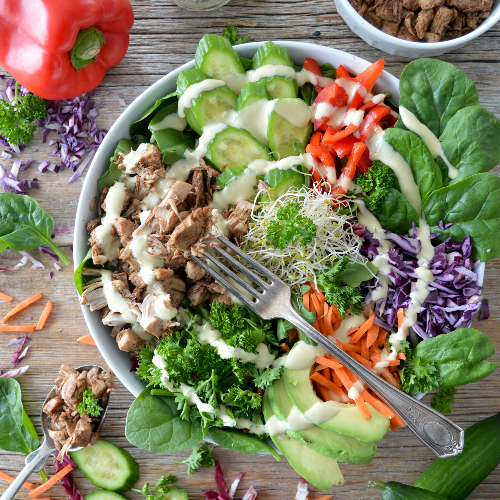
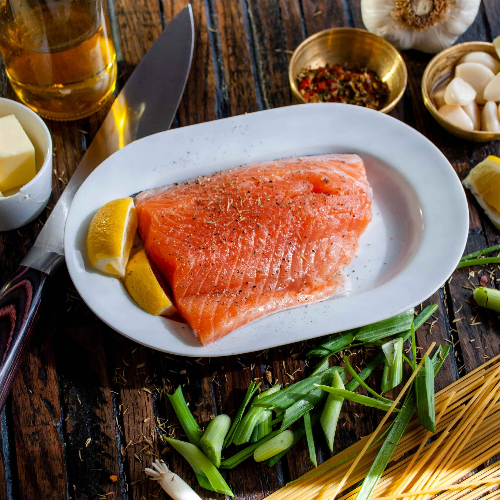
A weight-loss plateau on keto usually means the energy you eat has come to match the energy you use. Common reasons include fast early water loss that then slows down, portions of high-calorie keto foods such as nuts, cheese and oils creeping up, lower energy needs as you get smaller, and poor sleep. Checking your portions for a couple of weeks, keeping protein and vegetables up, staying active and protecting your sleep fix most plateaus. And over a year, keto doesn’t outperform other diets much: a meta-analysis of 13 trials found it gave only about 1 kg (2 lb) more weight loss than low-fat diets.
Why weight loss slows down on keto
1. The early drop was partly water
Many people lose weight quickly in the first week or two of keto. Some of that is water rather than fat: a 2026 review of keto’s side effects lists passing more urine among the most common early effects. When that settles, the scale moves more slowly, which can feel like a plateau even though you’re still losing fat at a steady rate.
2. Portions of keto foods creep up
Keto foods such as nuts, cheese, cream, butter and oils are calorie-dense. A “handful” of almonds can easily be 50 g rather than 30 g, which adds about 115 calories, based on USDA FoodData Central values. A generous pour of olive oil can add another 120. These small amounts add up over a day. Our guide on how to track macros on keto explains which foods to weigh.
3. You need less energy as you lose weight
A smaller body needs less energy to move and to keep running, so the amount of food that made you lose weight at the start may simply maintain your weight later. The NIDDK’s Body Weight Planner lets you work out personalized calorie and activity plans for reaching and keeping a goal weight, and can help you reset your targets.
4. Sleep, stress and drinks
The NHS notes that not getting enough sleep can make it harder to lose weight, and that choosing low-calorie drinks helps manage calories. Alcohol, sweetened coffees and “keto” snack bars are easy to overlook. Our guide to keto and alcohol lists the calories in common drinks.
5. The diet has drifted
Over time, it’s common for “keto” meals to drift: more keto treats, fewer vegetables, more eating out. A week of honest notes usually shows where.
How to tell if it’s really a plateau
Weight goes up and down from day to day with water, food in your gut and, for women, the menstrual cycle. Before deciding you’ve stalled:
- Weigh at the same time, for example first thing in the morning, a few times a week, and look at the weekly average.
- Give it 3 to 4 weeks. One or two weeks without change isn’t unusual.
- Use other measures too, such as your waist measurement and how your clothes fit.
8 ways to get past a keto plateau
- Track carefully for 2 weeks. Weigh nuts, cheese, oils and cream, and log drinks and sauces.
- Keep protein up. Make sure each meal includes a good protein source, such as eggs, fish, chicken, Greek yogurt or tofu.
- Fill half your plate with vegetables. Low-carb vegetables add bulk for few calories. Our list of keto vegetables has plenty of options.
- Cut back on added fats. Use fat to cook and flavor food, not as an extra on top of every meal. Butter coffee is a common culprit.
- Limit keto treats and snacks. Keto cookies, bars and fat bombs are still high in calories.
- Move more. Add walking, and include some strength exercise if you can. The NHS says moving more can help you keep weight off.
- Protect your sleep. Aim for regular sleep times and a calmer evening routine.
- Recalculate your targets using a tool such as the NIDDK Body Weight Planner, especially after a large weight loss.
What not to do
- Don’t cut calories drastically or skip meals in frustration. Very low intakes are hard to sustain and can leave you short of nutrients.
- Don’t cut carbs even lower than your plan without a reason. Most plateaus are about total energy, not a few grams of carbohydrate.
- Don’t rely on weight-loss supplements. They aren’t a substitute for the changes above.
- Don’t change diabetes or blood pressure medicines yourself. If you take them, talk to your doctor before changing your diet further.
Is keto still the right diet for you?
Over a year or longer, keto works about as well as other diets for weight loss. Harvard’s review notes that after a year, the effects of keto were not significantly different from those of conventional weight-loss diets, and that people tend to drift off keto over time. If you’re finding keto hard to stick with, a less strict approach that you can follow for years may give you better results in the end. Our guide to whether keto is safe long term covers the evidence.
When to see a doctor
See your doctor if you’re losing weight without trying, gaining weight quickly without a clear reason, feeling unusually tired or cold, or noticing other changes in your health. If thoughts about food, weight or your body are taking over your day, talk to a doctor too. Support is available, and findahelpline.com lists free, confidential helplines in many countries.
Common questions
How long do keto plateaus last?
It varies. Many resolve within a few weeks once portions and activity are adjusted. If you’ve made changes and nothing has moved for 6 weeks or more, it’s worth reviewing your plan with a dietitian.
Does intermittent fasting break a plateau?
Some people find a shorter eating window helps them eat less overall, which can restart weight loss. It isn’t suitable for everyone, especially people who take diabetes medicines or have a history of disordered eating. Talk to your doctor first.
Before you start
Safety note: A ketogenic diet isn’t safe for everyone. Don’t start one without medical supervision if you have type 1 diabetes, take insulin or other diabetes medicines (especially SGLT2 inhibitors such as empagliflozin or dapagliflozin), take medicine for high blood pressure, have kidney, liver, pancreas or gallbladder disease, are underweight or have had an eating disorder, or are pregnant or breastfeeding. Children should only follow keto as a medical treatment run by a specialist team. A 2026 review of keto’s contraindications lists these and other situations that need care, so talk to your doctor first if any apply to you.
This article is general information, not medical advice. Talk to your doctor or a registered dietitian before making big changes to how you eat, especially if you have a health condition, take regular medication, or are pregnant or breastfeeding.