The lowest-carb vegetables for keto are leafy greens, such as kale, spinach, bok choy and lettuce, followed by celery, cucumber, asparagus, zucchini, mushrooms and cauliflower. Most have under 3 g of net carbs per 100 g, according to USDA FoodData Central, so you can eat them in generous portions. Broccoli, peppers, green beans and Brussels sprouts are slightly higher but still fit easily. Starchy vegetables such as potatoes, corn, peas and parsnips are the ones to limit.
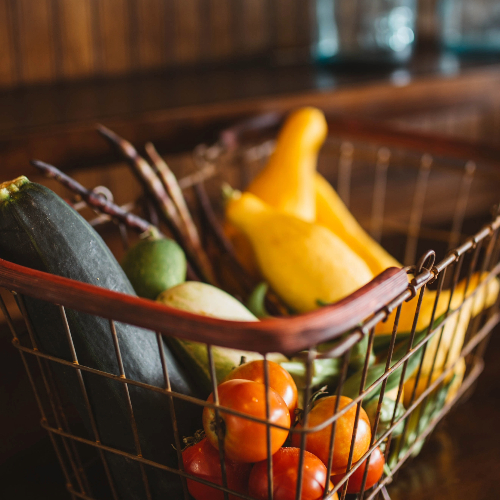
Keto vegetables ranked by net carbs
Net carbs are total carbohydrate minus fiber, per 100 g raw, from USDA FoodData Central:
| Vegetable | Total carbs | Fiber | Net carbs |
|---|---|---|---|
| Kale | 4.4 g | 4.1 g | 0.3 g |
| Bok choy (pak choi) | 2.2 g | 1.0 g | 1.2 g |
| Romaine lettuce | 3.3 g | 2.1 g | 1.2 g |
| Celery | 3.0 g | 1.6 g | 1.4 g |
| Spinach | 3.6 g | 2.2 g | 1.4 g |
| Cucumber, peeled | 2.2 g | 0.7 g | 1.5 g |
| Iceberg lettuce | 3.0 g | 1.2 g | 1.8 g |
| Asparagus | 3.9 g | 2.1 g | 1.8 g |
| Radishes | 3.4 g | 1.6 g | 1.8 g |
| Zucchini (courgette) | 3.1 g | 1.0 g | 2.1 g |
| Mushrooms | 3.3 g | 1.0 g | 2.3 g |
| Tomatoes | 3.9 g | 1.2 g | 2.7 g |
| Eggplant (aubergine) | 5.9 g | 3.0 g | 2.9 g |
| Cauliflower | 5.0 g | 2.0 g | 3.0 g |
| Cabbage | 5.8 g | 2.5 g | 3.3 g |
| Red bell pepper | 6.0 g | 2.1 g | 3.9 g |
| Broccoli | 6.6 g | 2.6 g | 4.0 g |
| Green beans | 7.0 g | 2.7 g | 4.3 g |
| Brussels sprouts | 9.0 g | 3.8 g | 5.2 g |
Our guide to calculating net carbs explains why fiber is subtracted.
Vegetables to limit on keto
Starchy vegetables are much higher in carbohydrate. Per 100 g, raw potato has about 15.4 g of net carbs, and the keto food list covers other high-carb foods. Others to keep small or occasional include:
- Potatoes and sweet potatoes
- Corn
- Green peas
- Parsnips
- Beets
- Butternut squash
- Carrots and onions, which are fine in small amounts for flavor but add up in large portions
Why vegetables matter so much on keto
Vegetables are the main source of fiber, vitamins and minerals on a keto diet, because fruit, beans, lentils and whole grains are mostly cut out. Harvard’s Nutrition Source lists constipation and shortfalls in several minerals among keto’s common problems. Low-carb vegetables help with both.
They also bring potassium and magnesium. Per 100 g, raw spinach has about 558 mg of potassium and 79 mg of magnesium, according to USDA values. Our guide to electrolytes on keto explains why those matter.
How much should you eat?
There’s no strict limit on the lowest-carb vegetables. A large salad of 100 g of romaine, 50 g of cucumber and 50 g of celery has only about 3 g of net carbs. Many people on keto aim for vegetables at every meal, filling half the plate. Count the higher ones, such as Brussels sprouts and peppers, if you’re on a strict 20 g limit.
10 easy ways to use keto vegetables
- Cauliflower rice: grate raw cauliflower or pulse it in a food processor, then stir-fry for 5 minutes.
- Cauliflower mash: steam florets until soft, then blend with butter or olive oil and a little cheese.
- Zucchini noodles: spiralize zucchini and sauté for 2 minutes, or serve raw with pesto.
- Lettuce wraps: use romaine or iceberg leaves instead of tortillas.
- Roasted broccoli or Brussels sprouts: toss with olive oil and roast at 200°C (400°F) for 20 to 25 minutes.
- Stuffed mushrooms or peppers: fill with ground meat, cheese and herbs.
- Sautéed greens: wilt spinach, kale or chard with garlic and olive oil.
- Eggplant lasagna: use thin slices of roasted eggplant in place of pasta sheets.
- Crunchy snacks: celery with nut butter, cucumber with cream cheese, radishes with salt.
- Soups: blend cauliflower, broccoli or zucchini into creamy soups with stock.
Our guide on how to cook kale has five more ideas for the lowest-carb vegetable on the list.
Fresh, frozen or canned?
All three work. Plain frozen vegetables such as spinach, broccoli, cauliflower and green beans are cheap and quick, and they have the same carbohydrate as fresh. Canned vegetables are fine too, but rinse them if they’re packed in salted water. Avoid vegetables frozen in sauces, which often contain sugar or flour.
Common questions
Are onions and garlic keto?
In small amounts. They add a lot of flavor for the carbs, but a whole onion in a dish adds up, so use them as seasoning rather than a main vegetable.
Is kale really that low in net carbs?
Per USDA values for raw kale, yes: 4.4 g of carbohydrate and 4.1 g of fiber per 100 g. Values vary a little by variety and source, but kale is one of the lowest-carb vegetables you can eat.
Are tomatoes keto?
Yes, in normal portions. Fresh tomatoes have about 2.7 g of net carbs per 100 g. Watch out for tomato sauces and ketchup, which often contain added sugar.
Before you start
Safety note: Keto isn’t suitable for everyone. If you have diabetes, kidney or liver disease, take regular medication, or are pregnant or breastfeeding, talk to your doctor before cutting carbs this far (why it matters).
Sample day of keto vegetables
- Breakfast: spinach and mushrooms in an omelet, about 2 to 3 g of net carbs.
- Lunch: a big salad of romaine, cucumber, celery and radishes with olive oil, about 3 to 4 g.
- Dinner: roasted cauliflower and broccoli (100 g of each) with chicken or fish, about 7 g.
That’s around 12 to 14 g of net carbs from vegetables, based on the table above, leaving room for nuts, dairy and a few berries on a 20 g plan. Most of the fiber, potassium and vitamin C in the day comes from these vegetables.
Should I worry about the carbs in vegetables on keto?
Only on a very strict plan, and only for the higher ones. The bigger risk on keto is eating too few vegetables, not too many.
This article is general information, not medical advice. Talk to your doctor or a registered dietitian before making big changes to how you eat, especially if you have a health condition, take regular medication, or are pregnant or breastfeeding.