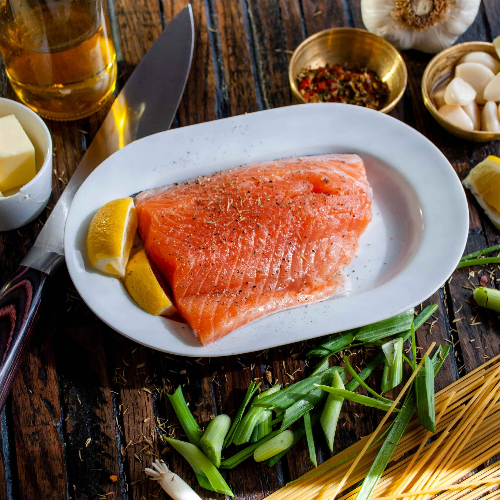
On keto, most people do well with a moderate amount of protein: roughly 1.0 to 1.6 g per kilogram of body weight a day, or about 70 to 110 g for a 70 kg (154 lb) adult. That’s above the basic minimum of 0.8 g per kg, which Harvard’s Nutrition Source cites for adults, and it helps protect muscle while you lose weight. Harvard’s keto review describes a typical keto diet as 10% to 20% of calories from protein. Older adults and people who strength-train often need the upper end, while people with kidney disease may need less, so ask your doctor.

Why protein matters on keto
- It protects muscle. When you lose weight, some of the loss can be muscle. Enough protein, plus strength exercise, helps you keep it.
- It keeps you full. Protein is one of the most filling nutrients, which helps on any weight loss diet.
- It supports everyday repair. Your body uses protein for muscle, skin, bone, enzymes and immune function.
Keto is often described as “high fat, moderate protein, very low carb.” Some people overcorrect and eat very little protein for fear of leaving ketosis, while others treat keto as a high-protein diet. Neither extreme is ideal.
How much protein: a practical guide
| Situation | Daily protein | For a 70 kg (154 lb) adult |
|---|---|---|
| Basic minimum for healthy adults | 0.8 g per kg | about 56 g |
| Typical keto, weight loss | 1.0 to 1.4 g per kg | about 70 to 100 g |
| Older adults (over 65) | 1.0 to 1.2 g per kg | about 70 to 85 g |
| Regular strength training | up to about 1.6 g per kg | about 110 g |
| Kidney disease | As advised by your doctor | often less |
Sources: the 0.8 g minimum from Harvard’s Nutrition Source; older adults from the PROT-AGE expert group; strength training from a meta-analysis of 49 trials, which found no further gains in muscle above about 1.6 g per kg a day.
If you have a lot of weight to lose, base your target on a healthy weight for your height rather than your current weight, or ask a dietitian to help.
Will too much protein kick you out of ketosis?
This is one of the most common worries on keto. Your body can make some glucose from protein, but moderate amounts of protein don’t seem to stop most people staying in ketosis. If you’re eating very large amounts, such as protein shakes on top of big meat portions, ketone levels may be a little lower, but the bigger risk of undereating protein is losing muscle.
If you test ketones and they drop after a very high-protein meal, simply bring portions back to the moderate range.
Spread it through the day
A sports nutrition position stand recommends spreading protein across the day, about every 3 hours, and notes that about 20 to 40 g at a time is enough to stimulate muscle building. On keto, that usually means a palm-sized portion of protein at each meal.
Keto protein sources
Per typical portion, from USDA FoodData Central values:
| Food | Portion | Protein | Net carbs |
|---|---|---|---|
| Chicken breast, roasted | 100 g | 31 g | 0 g |
| Salmon, cooked | 100 g | 22 g | 0 g |
| Tuna, canned in water | 100 g | 19 g | 0 g |
| Beef burger patty, cooked | 100 g | 26 g | 0 g |
| Firm tofu | 100 g | 17 g | 0.5 g |
| Eggs | 2 large | 12.6 g | 0.7 g |
| Plain Greek yogurt, whole milk | 150 g | 13.5 g | 6 g |
| Cottage cheese | 100 g | 11 g | 3 g |
| Hard cheese (cheddar) | 30 g | 7 g | under 1 g |
| Pumpkin seeds | 30 g | 9 g | 1.4 g |
Fish, eggs, poultry and tofu give you protein with less saturated fat than processed meats and fatty red meat. Our guides to eggs on keto and seafood on keto have more ideas.
Choose your protein wisely
Harvard notes that regularly eating red meat, especially processed meat, is linked with a higher risk of heart disease and stroke, while replacing it with beans, soy, nuts, fish or poultry seems to lower those risks. On keto, beans are limited, but fish, poultry, eggs, tofu, tempeh, nuts and seeds all fit well. Keep bacon, salami and sausages as occasional extras.
A day with about 100 g of protein on keto
| Meal | Example | Protein |
|---|---|---|
| Breakfast | 2-egg omelette with spinach and 30 g cheese | about 20 g |
| Lunch | Salad with 120 g canned tuna, avocado, olives and olive oil | about 25 g |
| Snack | 150 g Greek yogurt with a few raspberries | about 14 g |
| Dinner | 150 g salmon with roasted broccoli and cauliflower mash | about 35 g |
| Total | about 95 g |
Who should be careful with protein
- People with kidney disease. The PROT-AGE group notes that people with severe kidney disease who aren’t on dialysis may need to limit protein. Work with your doctor or a kidney dietitian.
- People with liver disease.
- Anyone on a medically supervised keto diet, such as for epilepsy, where protein is carefully set.
Protein powders on keto
Not necessary for most people, but useful if you struggle to reach your target. Choose unflavored or lightly sweetened whey, casein or pea protein with little added sugar, and check the label for maltodextrin or sugar alcohols. Our guide to tracking macros on keto explains how to fit them in.
Common questions
Is keto a high-protein diet?
No. Classic keto is moderate in protein and high in fat. A high-protein, very low-carb diet is closer to some “low-carb” diets than to keto.
Do I need more protein when I lose weight?
Your needs don’t drop much when you lose weight, and eating enough helps protect muscle. Aim for at least 1.0 g per kg of a healthy body weight, and combine it with strength exercise.
Can I get enough protein on vegetarian keto?
Yes, with eggs, dairy, tofu, tempeh, seitan, nuts and seeds. It takes more planning.
Safety note: Keto isn’t suitable for everyone. If you have diabetes, kidney or liver disease, take regular medication, or are pregnant or breastfeeding, talk to your doctor before cutting carbs this far (why it matters).
This article is general information, not medical advice. Talk to your doctor or a registered dietitian before making big changes to how you eat, especially if you have a health condition, take regular medication, or are pregnant or breastfeeding.