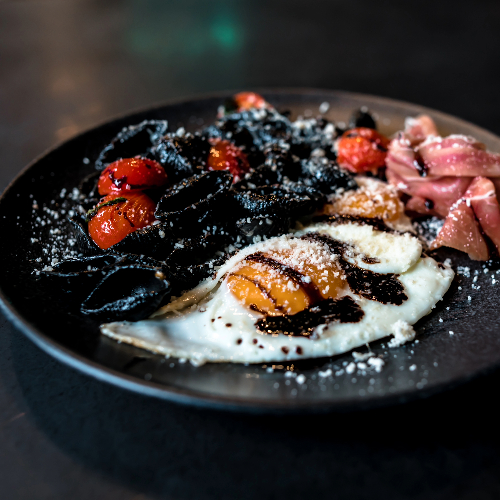
During pregnancy, the main foods to avoid are those that can carry listeria, salmonella or toxoplasma, or that contain too much mercury or vitamin A. These include unpasteurized milk and soft cheeses, raw or undercooked meat and eggs, raw fish and shellfish, liver and liver products, cold cured meats, and high-mercury fish such as shark, swordfish and marlin. The NHS also advises no more than 200 mg of caffeine a day and avoiding alcohol completely. Advice differs slightly between countries, so follow your midwife’s or doctor’s guidance where you live.

Foods to avoid in pregnancy
The NHS lists these foods to avoid:
| Food | Why |
|---|---|
| Unpasteurized milk, cream, yogurt, butter and ice cream | Risk of listeria and other bacteria |
| Unpasteurized soft cheeses, such as soft ripened goats’ cheese with a white rind | Risk of listeria |
| Raw or undercooked meat, including game | Risk of toxoplasma and other infections |
| Liver and liver products, such as liver pâté | Very high in vitamin A |
| Raw or partially cooked eggs, except UK eggs stamped with the British Lion mark or “Laid in Britain” | Risk of salmonella |
| Raw or undercooked duck, goose and quail eggs | Risk of salmonella |
| Raw fish and raw shellfish, including sushi made with them | Risk of food poisoning |
| Shark, swordfish and marlin | High in mercury |
| Liquorice root in herbal teas | Not recommended in pregnancy |
| Alcohol | No known safe amount in pregnancy |
Foods to eat with care
These don’t need to be avoided, but they need cooking, storing or limiting, according to the NHS:
- Soft mould-ripened cheeses (such as brie, camembert and chèvre) and soft blue cheeses (such as gorgonzola and roquefort) are fine if cooked thoroughly until steaming hot. Hard cheeses and pasteurized soft cheeses such as mozzarella and cottage cheese are fine.
- Cold cured meats such as salami, chorizo and prosciutto should be cooked until steaming hot.
- Cold smoked or cured fish, such as smoked salmon, and cold ready-to-eat prawns should be cooked until steaming hot.
- Pâté (meat or vegetable) should be kept chilled and eaten before its use-by date. Avoid liver pâté.
- Tuna: no more than 4 medium cans or 2 fresh tuna steaks a week.
- Oily fish such as salmon, mackerel and sardines: up to 2 portions a week.
- Pre-packed sandwiches, salads and pre-cut fruit should be kept chilled and eaten before the use-by date.
- Herbal teas: no more than 4 cups a day.
Fish: eat it, but choose carefully
Fish is a valuable part of a pregnancy diet. The US FDA advises people who are pregnant or breastfeeding to eat 8 to 12 ounces (about 225 to 340 g) of lower-mercury seafood a week, choosing from its “best choices” list, which includes salmon, sardines, shrimp, cod and canned light tuna. It lists king mackerel, marlin, orange roughy, shark, swordfish, Gulf of Mexico tilefish and bigeye tuna as the highest in mercury. Our guide to omega-3 foods explains the benefits.
Cook fish thoroughly: the FDA gives 63°C (145°F) as the safe internal temperature for most seafood, and advises pregnant people to avoid raw or undercooked fish and shellfish.
Eggs
Cook eggs until the white and yolk are firm unless you’re sure they’re safe to eat runny where you live. The FDA lists pregnant women among the people at greater risk of severe salmonella illness and advises cooking eggs until both the yolk and white are firm. In the UK, the NHS says British Lion or “Laid in Britain” hen eggs can be eaten raw or lightly cooked. Our guide to how long to boil eggs has timings for firm yolks.
Caffeine
The NHS recommends no more than 200 mg of caffeine a day during pregnancy. That includes coffee, tea, cola, energy drinks, and some chocolate and supplements. As a guide, the FDA lists about 37 mg of caffeine in a 12-ounce serving of green tea and 71 mg in black tea. Coffee is usually higher and varies a lot. The FDA also advises people who are pregnant or breastfeeding to ask their healthcare provider about limiting caffeine.
Food hygiene in pregnancy
Simple kitchen habits lower the risk of food poisoning:
- Wash your hands before and after handling raw meat, and after gardening or handling pet litter.
- Wash fruit, vegetables and salad well.
- Keep raw meat separate from ready-to-eat foods.
- Cook meat until steaming hot with no pink, and reheat leftovers until steaming hot all the way through.
- Keep your fridge cold and eat chilled foods before their use-by date.
- Refrigerate leftovers within 2 hours and eat them within 3 to 4 days, as the USDA advises.
What to eat more of
Avoiding risky foods is only half the picture. A healthy pregnancy diet includes plenty of vegetables and fruit, whole grains, protein foods such as beans, lentils, eggs, fish and lean meat, and dairy or calcium-fortified alternatives. Iron needs rise to 27 mg a day in pregnancy in the US recommendations, according to the NIH Office of Dietary Supplements. Our guide to iron-rich foods has ideas. Your midwife or doctor will advise you about supplements, such as folic acid and vitamin D.
Common questions
Can I eat sushi while pregnant?
Sushi made with cooked fish or vegetables is fine. Avoid sushi with raw fish or raw shellfish.
Is it safe to eat cheese in pregnancy?
Most cheeses are fine, including hard cheeses and pasteurized soft cheeses such as mozzarella and cottage cheese. Avoid unpasteurized soft cheeses, and only eat soft mould-ripened or blue cheeses if they’re cooked until steaming hot.
What if I’ve already eaten something on the list?
Don’t panic. The risk from a single exposure is usually small, but tell your midwife or doctor, especially if you feel unwell, have a fever or have flu-like symptoms.
Is it safe to eat peanuts in pregnancy?
Unless you’re allergic to them, or a healthcare professional has told you to avoid them, eating peanuts in pregnancy is generally considered fine as part of a healthy diet.
This article is general information, not medical advice. Talk to your doctor or a registered dietitian before making big changes to how you eat, especially if you have a health condition, take regular medication, or are pregnant or breastfeeding.