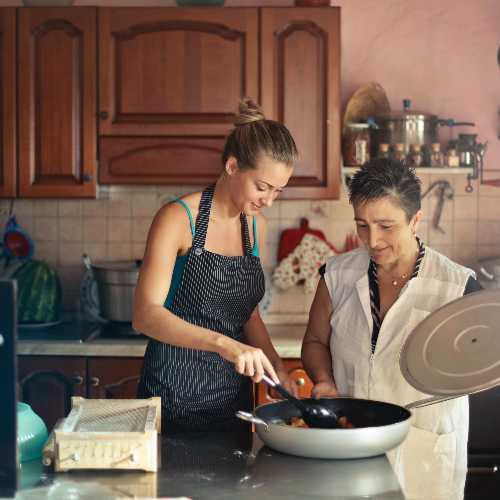
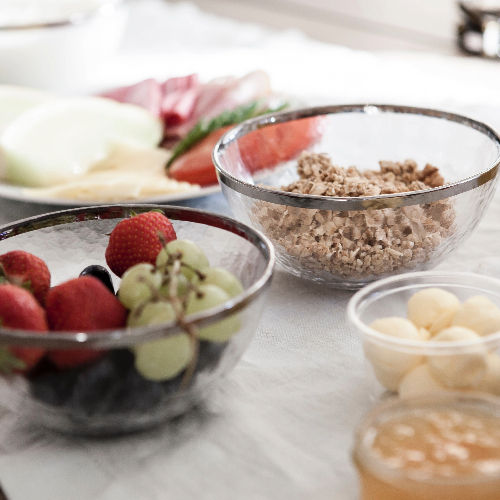
A gout-friendly diet limits the foods and drinks most likely to raise uric acid: organ meats such as liver and kidney, red meat, some seafood such as shellfish, sardines and anchovies, beer (including alcohol-free beer), other alcohol, and sugar-sweetened drinks. It includes plenty of vegetables, fruit, whole grains and low-fat dairy, with poultry, eggs, beans and plant oils for protein and fat. The US National Institute of Arthritis and Musculoskeletal and Skin Diseases (NIAMS) recommends this pattern. Diet helps, but most uric acid is made by the body itself, so many people with gout also need medicine.
How food affects gout
Gout happens when too much uric acid (urate) builds up in the blood and forms crystals in a joint, causing sudden, severe pain and swelling. Urate comes from the breakdown of purines, which are found in the body’s own cells and in many foods.
Versus Arthritis explains that on any day, about three-quarters of the urate in the body comes from purines made by the body, and only about a quarter from food and drink. That’s why diet alone rarely controls gout, but it can reduce flares and support treatment.
Foods and drinks to limit
Based on NIAMS guidance:
| Limit or avoid | Why |
|---|---|
| Organ meats: liver, kidney, tongue, sweetbreads | Very high in purines |
| Red meat | Higher in purines, and linked to other health risks |
| Shellfish such as shrimp and lobster, plus sardines and anchovies | Higher in purines |
| Beer, including alcohol-free beer | Beer contains purines from yeast; alcohol also raises urate |
| Other alcohol | Raises urate and can trigger flares |
| Sugar-sweetened drinks such as soda | Fructose can raise urate |
| Sugary foods | Limit for weight and general health |
The NHS also lists drinking too much alcohol or eating a very large meal as things that can trigger an attack, and advises having some alcohol-free days each week and drinking no more than 14 units a week.
Foods to eat more of
- Vegetables, fruit and whole grains. These form the base of the diet NIAMS recommends.
- Low-fat or fat-free dairy, such as milk and yogurt.
- Poultry, eggs, beans, lentils and tofu for protein, in moderate portions.
- Plant oils such as olive and rapeseed oil.
- Water. The NHS advises drinking plenty of fluids, unless a doctor has told you to limit them.
Vegetables that are moderately high in purines, such as spinach, asparagus and mushrooms, don’t need to be avoided. In a large 12-year study of men, higher meat and seafood intakes were linked with more gout, dairy with less, and moderate amounts of purine-rich vegetables with no increase.
What about cherries?
In a 2012 study of 633 people with gout, eating cherries over a 2-day period was linked with a 35% lower risk of a gout attack compared with not eating them. When cherries were combined with the medicine allopurinol, the risk was 75% lower. It was an observational study, so it doesn’t prove cherries prevent attacks, but they’re a healthy fruit to include.
The DASH diet and gout
The DASH diet, designed to lower blood pressure, is rich in vegetables, fruit, whole grains and low-fat dairy. In an analysis of the DASH-Sodium trial, it lowered blood uric acid levels, with a larger effect in people who started with high levels. Because gout is linked with high blood pressure, heart disease and diabetes, a DASH-style pattern can help on several fronts. Our guide to the DASH diet explains how to follow it.
Weight: lose it slowly
Being overweight raises urate levels and the risk of gout. The NHS advises losing weight if you’re overweight, but avoiding crash diets, and Versus Arthritis notes that extreme weight loss or starvation diets can raise urate. Aim for gradual loss through smaller portions, more vegetables and regular activity.
Very low-carb ketogenic diets can also raise uric acid, especially in the early weeks. Harvard’s keto review lists raised uric acid among keto’s possible risks, so talk to your doctor before trying keto if you have gout.
Medicines and other risk factors
The NHS lists several things that make gout more likely, including:
- Being overweight
- High blood pressure, high cholesterol, diabetes and kidney problems
- Medicines such as diuretics (water tablets) and some blood pressure medicines
If you have frequent attacks or high uric acid, your doctor may suggest a urate-lowering medicine such as allopurinol, which you take every day, even when you have no symptoms. The American College of Rheumatology guideline recommends allopurinol as the first choice for most people and aims for a blood urate level below 6 mg/dL. Diet works alongside medicine, not instead of it.
A sample gout-friendly day
| Meal | Example |
|---|---|
| Breakfast | Porridge with low-fat milk and cherries or berries |
| Lunch | Lentil and vegetable soup with whole grain bread |
| Snack | Low-fat yogurt and an apple |
| Dinner | Grilled chicken with brown rice and plenty of vegetables |
| Drinks | Water through the day; tea or coffee if you like |
Our red lentil soup and sheet pan chicken fit this pattern.
During a gout attack
Treat an attack promptly with the medicine your doctor has advised, rest and raise the joint, and keep drinking water. The NHS advises getting urgent medical help if you also have a very high temperature or feel hot, cold or shivery, because this could mean an infection inside the joint.
Common questions
Can I eat fish with gout?
Many fish, such as salmon, cod and trout, are moderate in purines and can be eaten in normal portions. Limit shellfish, sardines and anchovies, which are higher.
Is coffee okay with gout?
Yes, for most people. In a long-term study of men, drinking more coffee was linked with a lower risk of developing gout. Sugary coffee drinks are a different matter.
Can diet alone control gout?
No. Diet can reduce flares and help you control uric acid, but many people also need daily medicine.
This article is general information, not medical advice. Talk to your doctor or a registered dietitian before making big changes to how you eat, especially if you have a health condition, take regular medication, or are pregnant or breastfeeding.