To meal prep as a beginner, choose 2 or 3 simple recipes, cook them in batches once or twice a week, portion them into containers, and keep 3 to 4 days’ worth in the fridge with the rest in the freezer. The USDA advises refrigerating cooked food within 2 hours and eating it within 3 to 4 days, which is why a midweek top-up or the freezer matters. A good prepped meal has a protein, a vegetable and a whole grain or starchy food.
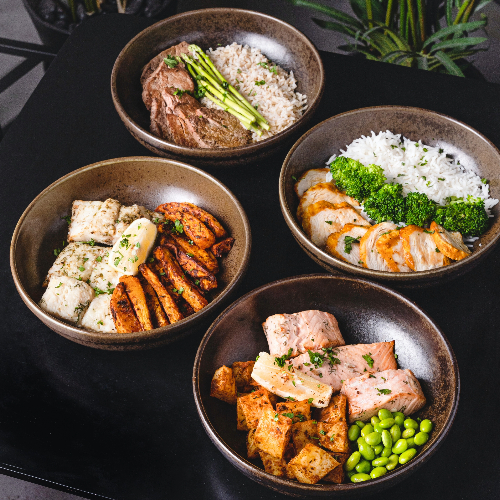
Why meal prep helps
Meal prep saves time on busy days, cuts down on takeaways and impulse snacks, and makes it easier to eat balanced meals. It also reduces food waste, because you buy and cook exactly what you plan to eat.
A simple weekly plan
Step 1: Plan (15 minutes)
Choose:
- 2 proteins: for example, a tray of chicken thighs and a pot of lentils or chickpeas.
- 2 grains or starches: brown rice and roasted potatoes, or quinoa and whole wheat pasta.
- 3 or 4 vegetables: a tray of roasted vegetables, a bag of salad leaves, steamed broccoli and frozen peas.
- 1 sauce or dressing to tie it together, such as a yogurt dip, pesto or a simple vinaigrette.
Step 2: Shop
Write your list from the plan. Our healthy grocery list covers the staples.
Step 3: Cook (about 90 minutes)
- Heat the oven and roast the protein and vegetables on separate trays.
- Meanwhile, cook the grains on the stove.
- Make a sauce or dressing.
- Prepare raw items: wash salad, chop fruit, boil eggs.
Step 4: Cool and pack
Cool food quickly before it goes in the fridge. Spread rice and grains out on a tray, and divide large batches into shallow containers so they cool faster. Then portion meals into containers and label them with the date.
Food safety for meal prep
These rules matter more when you cook ahead:
- Refrigerate within 2 hours of cooking, and eat refrigerated leftovers within 3 to 4 days, as the USDA recommends.
- Reheat until steaming hot all the way through, to 74°C (165°F).
- Be extra careful with rice. Food Standards Scotland advises cooling cooked rice as quickly as possible, ideally within an hour, keeping it in the fridge, eating it within 24 hours, and not reheating it more than once. Freeze rice portions if you want them later in the week.
- Freeze what you won’t eat within 3 to 4 days. Freezing keeps food safe, though quality slowly declines, so label containers with the date.
- Thaw frozen meals in the fridge overnight, not on the counter.
A sample prep: one session, five lunches
| Item | How | Use it for |
|---|---|---|
| Roast chicken thighs | 200°C (400°F) for 30 to 35 minutes, to 74°C (165°F) inside | Wraps, salads, grain bowls |
| Roasted vegetables | Peppers, zucchini, red onion, 25 to 30 minutes | Bowls, pasta, wraps |
| Brown rice or quinoa | Cook, cool fast, refrigerate or freeze | Grain bowls |
| Cooked lentils or canned chickpeas | Rinse and season | Salads, soups |
| Yogurt and herb dressing | Mix yogurt, lemon, garlic and herbs | Everything |
Combine them differently each day: a chicken and rice bowl on Monday, a chickpea salad on Tuesday, a chicken and roasted vegetable wrap on Wednesday. Our chicken salad wraps show one way.
Recipes that prep well
- Curries, chilis and stews, which often taste better the next day. Our chickpea curry freezes well.
- Soups, which freeze well in portions. Try our tomato basil soup.
- Traybakes of protein and vegetables.
- Grain salads, dressed just before eating.
- Overnight oats, made 2 or 3 days ahead.
Foods that don’t prep as well
- Dressed salads and crispy foods, which go soggy. Store dressings separately.
- Fried foods, which lose their crunch.
- Cut avocado and apple, which brown. Add them on the day.
- Fish, which is best eaten within a day or two and can smell strong when reheated at work.
How to build a balanced prepped meal
Aim for roughly half vegetables, a quarter protein and a quarter whole grains or starchy foods, plus a little healthy fat. The World Health Organization recommends at least 400 g of fruit and vegetables a day, and prepping a big tray of roasted vegetables is one of the easiest ways to get there.
Equipment that helps
- Containers with lids in a few sizes, ideally ones that can go in the freezer and microwave
- Two or three large baking trays
- A large pot for grains or soup
- Labels or masking tape and a pen for dates
Common beginner mistakes
- Cooking too much variety. Two or three base recipes are enough.
- Prepping a full week at once, then throwing food away on day 6. Prep for 3 to 4 days, or freeze the rest.
- Forgetting snacks and breakfasts. Overnight oats and boiled eggs take minutes.
- Eating the same thing every day. Use different sauces and combinations to keep it interesting.
Common questions
How long does meal prep last in the fridge?
Most cooked dishes keep for 3 to 4 days in the fridge, according to the USDA, while cooked rice should be eaten within 24 hours, as Food Standards Scotland advises. Freeze anything you won’t eat in time.
Can I meal prep salads?
Yes, if you keep the dressing separate and add wet or delicate ingredients, such as tomatoes and avocado, on the day. Sturdy leaves like kale and cabbage hold up better than soft lettuce.
Is it safe to microwave meal prep containers?
Only use containers labelled microwave-safe, and follow the instructions. Glass containers are a good choice for reheating.
Do I need to count calories when meal prepping?
Not necessarily. Using the half vegetables, quarter protein and quarter starch guide gives balanced portions without counting. If you have a specific goal, a dietitian can help you set portion sizes.
How do I keep prepped meals interesting?
Change the sauces, spices and toppings through the week. The same chicken and rice can be a curry bowl one day and a lemon and herb salad the next.
This article is general information, not medical advice. Talk to your doctor or a registered dietitian before making big changes to how you eat, especially if you have a health condition, take regular medication, or are pregnant or breastfeeding.