A healthy weekly grocery list covers five groups: vegetables and fruit (fresh, frozen and canned), whole grains, protein foods such as fish, eggs, beans and lean meat, dairy or fortified alternatives, and a few healthy fats and flavorings. Fill most of your cart from the edges of the store and the frozen aisle, and read labels on anything packaged. The World Health Organization recommends at least 400 g of fruit and vegetables per person per day, which makes produce the biggest part of a healthy shop.
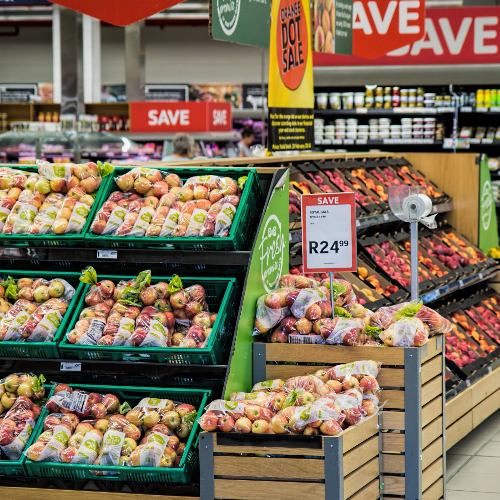
A printable healthy grocery list
Vegetables (aim for a mix of colors)
- Leafy greens: spinach, salad leaves, kale
- Everyday vegetables: carrots, onions, garlic, tomatoes, peppers, cucumber
- Cruciferous: broccoli, cauliflower, cabbage
- Frozen: peas, spinach, mixed vegetables, green beans
- Canned: chopped tomatoes, sweetcorn (no added salt where possible)
Fruit
- Seasonal fresh fruit: apples, bananas, oranges, berries
- Frozen berries or mango for porridge and smoothies
- A small amount of dried fruit
Whole grains and starchy foods
- Oats
- Whole grain bread or wraps
- Brown rice or basmati rice
- Whole wheat pasta
- Potatoes or sweet potatoes
Protein
- Eggs
- Fish: fresh or frozen salmon, plus canned sardines, mackerel or tuna
- Beans, lentils and chickpeas, dried or canned
- Chicken or turkey
- Tofu or tempeh
Dairy and alternatives
- Milk, or a fortified unsweetened plant drink
- Plain yogurt
- A cheese you enjoy, in moderate amounts
Healthy fats, nuts and seeds
- Olive or rapeseed (canola) oil
- Unsalted nuts
- Seeds such as chia, flax or pumpkin
- Avocados
Flavor and pantry staples
- Herbs and spices
- Lemons or limes
- Vinegar, mustard and low-salt stock
- Tomato paste
- Reduced-salt soy sauce
How much fruit and vegetables to buy
The WHO recommends at least 400 g of fruit and vegetables a day for everyone older than 10. For one adult, that’s about 2.8 kg (6 lb) a week. For a family of four with older children, it’s around 11 kg (25 lb). Mixing fresh, frozen and canned makes that more affordable and reduces waste.
Fish once or twice a week
The NHS recommends at least 2 portions of fish a week, including 1 of oily fish, with a portion of around 140 g. Canned sardines, mackerel and salmon are cheap, keep for months, and count. Our guide to omega-3 foods has more.
How to read labels in the store
The NHS uses these thresholds per 100 g:
| High | Low | |
|---|---|---|
| Fat | More than 17.5 g | 3 g or less |
| Saturated fat | More than 5 g | 1.5 g or less |
| Sugars | More than 22.5 g | 5 g or less |
| Salt | More than 1.5 g | 0.3 g or less |
Look for mostly green (low) and amber (medium) values on front-of-pack labels. Our guide to choosing a healthy cereal walks through a label step by step.
10 tips for a healthy, affordable shop
- Plan meals for the week first, then write the list from the plan.
- Check what you already have before you go.
- Shop with a list and stick to it as much as you can.
- Don’t shop hungry.
- Buy frozen vegetables and fruit. They keep for months, need no chopping and cut waste.
- Choose canned beans, lentils and fish for cheap, fast protein.
- Compare unit prices (price per kg or per 100 g) rather than pack prices.
- Buy store brands of staples such as oats, rice, pasta and canned tomatoes.
- Buy seasonal produce, which is often cheaper and tastier.
- Limit ready meals, sugary drinks and packaged snacks, which tend to be expensive per portion and high in salt or sugar.
A sample week built from this list
- Breakfasts: porridge with fruit, or eggs on whole grain toast.
- Lunches: lentil soup, hummus and salad wraps, or leftovers from dinner.
- Dinners: salmon with potatoes and greens, chickpea curry with rice, vegetable fried rice with egg, pasta with tomato sauce and vegetables, chicken and vegetable traybake.
- Snacks: fruit, yogurt, nuts, vegetable sticks with hummus.
Our recipes for chickpea curry and vegetable fried rice use mostly items from this list.
Storing food safely when you get home
Put chilled and frozen food away first. Keep raw meat and fish on the bottom shelf of the fridge, below ready-to-eat foods, so juices can’t drip onto them. Store potatoes somewhere cool and dark rather than in the fridge, which the FDA says can increase acrylamide when they’re cooked.
Adapting the list
- Vegetarian or vegan: swap fish and meat for more beans, lentils, tofu and fortified foods. Our vegan guide covers the nutrients to plan for.
- Low-carb or keto: cut grains and starchy vegetables and add more non-starchy vegetables, eggs, fish and healthy fats. Our keto food list has the details.
- On a tight budget: lean on oats, eggs, canned fish, dried lentils, frozen vegetables and seasonal produce.
Common questions
Is it cheaper to eat healthily?
It can be, if you build meals around staples such as oats, eggs, beans, lentils, rice, frozen vegetables and seasonal fruit, which are often cheaper per portion than ready meals and snacks. Cooking in batches and using leftovers also cuts costs.
Should I buy organic?
Organic produce costs more, and there’s no need to buy it to eat healthily. Eating plenty of fruit and vegetables, whether organic or not, matters far more.
How do I avoid wasting fresh food?
Buy fresh produce for the first half of the week and rely on frozen and canned for the second half. Store food properly, use leftovers for lunch, and freeze bread, cooked grains and ripe bananas before they spoil.
What if I only shop once a week?
Plan the most perishable foods, such as salad and berries, for the first few days, and harder vegetables, frozen produce and canned foods for later in the week. Root vegetables, apples, oranges and cabbage keep well. Freeze bread and leftovers you won’t use in time.
Do I need to buy everything on the list?
No. Use it as a menu and choose a few items from each group that you’ll actually eat.
This article is general information, not medical advice. Talk to your doctor or a registered dietitian before making big changes to how you eat, especially if you have a health condition, take regular medication, or are pregnant or breastfeeding.