For most people, you can’t out-exercise a poor diet, at least not when it comes to weight. A 30-minute brisk walk burns roughly 120 to 180 calories for an average adult, about the same as a chocolate bar or a large latte, so it’s far easier to eat extra calories than to burn them off. Your body also adapts to higher activity levels, which limits how much more energy you use overall. But exercise is still enormously valuable: the NHS says it can lower your risk of early death by up to 30% and reduces the risk of heart disease, stroke, type 2 diabetes and some cancers, whatever your weight. The best results come from combining a healthy diet with regular activity.
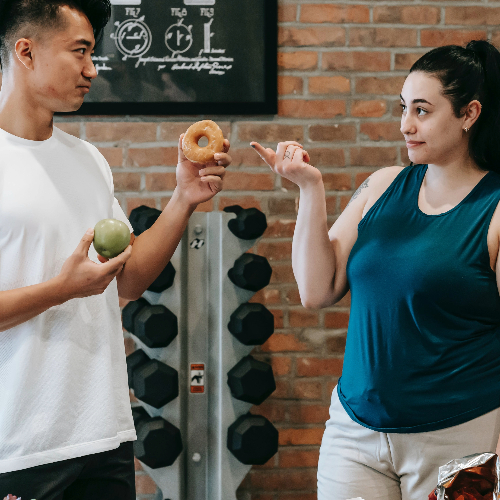
Why diet matters more for weight
Food adds up faster than exercise burns
| Food or drink | Approximate calories | Activity needed to use that energy (for a 70 kg adult) |
|---|---|---|
| A chocolate bar (about 50 g) | 250 kcal | 45 to 60 minutes of brisk walking |
| A large flavored latte | 250 to 350 kcal | 25 to 35 minutes of running |
| A slice of cake | 300 to 400 kcal | about an hour of cycling at a moderate pace |
| A large portion of fries | 400 to 500 kcal | 60 to 90 minutes of brisk walking |
Exact numbers vary by body size, speed and fitness, but the pattern is clear: a few minutes of eating can match an hour of exercise.
Your body adapts
You might expect that doubling your activity doubles the calories you burn, but the body doesn’t work that simply. In a study of more than 300 adults across five countries, total daily energy expenditure rose with activity at lower levels but leveled off at higher levels, suggesting the body adjusts other processes to save energy. This may be one reason exercise programs often lead to less weight loss than expected.
Exercise can increase appetite
Some people feel hungrier after exercise and eat more, which can cancel out the extra calories used. Others find exercise has little effect on their appetite. It’s worth noticing how you respond.
Why exercise still matters
Even if it isn’t the best weight-loss tool on its own, exercise has huge health benefits:
- Heart and blood vessels: lower risk of heart disease and stroke, and lower blood pressure.
- Blood sugar: better insulin sensitivity and a lower risk of type 2 diabetes.
- Weight maintenance: activity is one of the strongest predictors of keeping weight off after losing it.
- Muscle and bone: strength training helps preserve muscle and bone, especially as you age.
- Mood and sleep: lower risk of depression and better sleep.
- Longer life: the NHS says exercise can lower the risk of early death by up to 30%.
How much activity do you need?
The NHS recommends that adults do:
- At least 150 minutes of moderate activity, such as brisk walking or cycling, or 75 minutes of vigorous activity, such as running, each week.
- Strengthening activities that work all the major muscle groups on at least 2 days a week.
- Less sitting: break up long periods of sitting with light activity.
Combining diet and exercise
The most effective approach for weight and health uses both:
- Focus on diet for weight loss: cut sugary drinks and snacks, watch portion sizes, and fill up on vegetables, protein and whole grains. Our guide on how to lose weight safely explains how.
- Use exercise for health and for keeping weight off.
- Don’t “earn” treats with exercise. Planning to burn off food often leads to eating more than you burn.
- Fuel exercise sensibly. Most people don’t need sports drinks, protein bars or extra snacks for a typical 30 to 60 minute workout. Our article on sports drinks vs water explains when they help, and our guide on what to eat before and after exercise covers fueling.
- Build muscle: strength training helps you maintain muscle while losing fat.
What about very active people?
Athletes and people with physically demanding jobs do use more energy and often need to eat more. But even for them, diet quality matters: a diet high in sugar, saturated fat and ultra-processed food is still linked with poorer health, whatever your activity level.
“Thin on the outside” isn’t always healthy
People who are a healthy weight can still have high blood pressure, high cholesterol or high blood sugar, especially with a poor diet and little activity. Weight isn’t the only measure of health. Our guide to heart-healthy eating explains what helps.
Small changes that add up
Because food has a bigger effect on weight than exercise, small daily diet changes often outperform big workouts:
- Swap a sugary drink for water: saves around 140 calories per can.
- Use a smaller plate and serve modest portions of rice, pasta and potatoes.
- Snack on fruit instead of biscuits.
- Cook at home more often instead of relying on takeaways.
- Cut back on alcohol, which adds calories and can lead to late-night snacking.
At the same time, build activity into your day in ways you enjoy: walking, cycling, dancing, swimming or sport. Exercise that you like is the exercise you’ll keep doing.
Common questions
What type of exercise is best for health?
A mix of aerobic activity, such as brisk walking, cycling or swimming, and strength training, such as weights or bodyweight exercises, gives the broadest benefits. The best type is the one you’ll do regularly.
Can I lose weight with exercise alone?
Some people do, especially with large amounts of activity, but for most people the effect is modest unless they also change what they eat.
Is it better to diet or exercise?
For weight loss, diet changes usually have a bigger effect. For overall health and keeping weight off, exercise is essential. Doing both is best.
Do I need to eat more if I exercise?
Not usually for moderate exercise. Eat balanced meals and respond to your hunger, choosing nutritious foods rather than “rewarding” yourself with treats.
This article is general information, not medical advice. Talk to your doctor or a registered dietitian before making big changes to how you eat, especially if you have a health condition, take regular medication, or are pregnant or breastfeeding.


