Regular jam is about half sugar. According to USDA FoodData Central, jams and preserves contain about 49 g of sugars per 100 g, so a level tablespoon (about 20 g) has roughly 10 g of sugar and 55 calories. Many jams list even more sugar on the label, so check the brand you buy. That sugar isn’t only for sweetness: it helps the jam set and stops it spoiling. A thin spread on toast is fine as part of a balanced diet, but jam counts as free sugar, the type the NHS recommends limiting to 30 g a day for adults. Reduced-sugar jams, fruit spreads and quick homemade chia jam are lower-sugar alternatives.
Sugar in jam compared
Per 100 g, from USDA FoodData Central:
| Spread | Calories | Carbohydrate | Sugars |
|---|---|---|---|
| Regular jam and preserves | 278 kcal | 68.9 g | 48.5 g |
| Reduced-sugar jelly | 179 kcal | 46.1 g | 45.3 g |
| “No sugar added” jam (with sweetener) | 132 kcal | 53.4 g | 37.8 g |
| Honey | 304 kcal | 82.4 g | 82.1 g |
| Fresh strawberries, for comparison | 32 kcal | 7.7 g | 4.9 g |
“No added sugar” and “reduced sugar” jams can still contain a lot of sugar from fruit, fruit juice concentrate or other sweet ingredients. Always check the “of which sugars” line on the nutrition panel.
Per serving
| Serving | Sugar in regular jam |
|---|---|
| 1 teaspoon (about 7 g) | about 3.5 g |
| 1 level tablespoon (about 20 g) | about 10 g |
| A generous spread on 2 slices of toast (about 30 g) | about 15 g |
Why does jam need so much sugar?
Sugar does three jobs in jam:
- It preserves. High sugar levels draw water away from microbes, which stops mold and bacteria growing, so traditional jam keeps for months unopened.
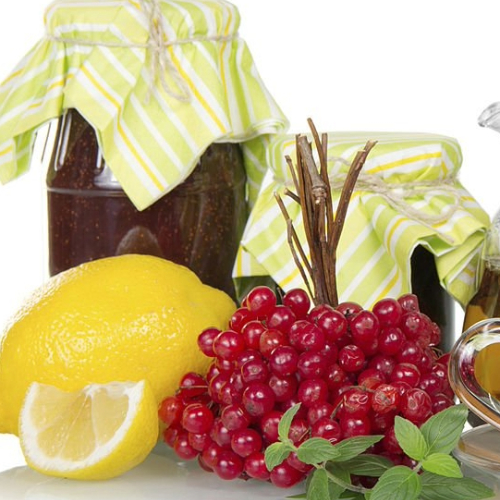
- It helps the jam set. Pectin, a natural fiber in fruit, forms a gel only with enough sugar and acid. Fruits such as red currants, citrus and apples are high in pectin, which is why they’re common in jam making.
- It adds sweetness and color.
That’s why lower-sugar jams usually contain added pectin or gelling agents, must be kept in the fridge once opened, and have a shorter shelf life.
Does jam count as one of your 5 a day?
No. Although jam is made from fruit, the fruit is cooked with a lot of sugar, and jam is eaten in small amounts. It doesn’t count toward your 5 a day. Fresh, frozen, canned and dried fruit do, as the NHS explains. Our guide to dried fruit explains how that counts.
Jam and free sugars
The NHS counts sugars added to foods, plus sugars in honey, syrups, and unsweetened fruit juices, smoothies and purées, as free sugars. Jam made with sugar, honey or fruit juice concentrate counts. Adults are advised to have no more than 30 g of free sugars a day, and children less:
| Age | Maximum free sugars a day |
|---|---|
| 4 to 6 years | 19 g |
| 7 to 10 years | 24 g |
| 11 years and over | 30 g |
A tablespoon of jam on toast uses about a third of an adult’s daily limit and half of a young child’s. Our guide on how much sugar per day explains more.
Lower-sugar alternatives
Reduced-sugar jam and fruit spreads
These typically contain less sugar than regular jam, but compare labels, as “reduced sugar” only means less than the standard version. Keep them in the fridge after opening and use them within the time on the jar.
Quick homemade chia jam
Chia seeds thicken fruit without the need for lots of sugar.
- 300 g (2 cups) berries, fresh or frozen, such as strawberries, raspberries or red currants
- 2 tablespoons chia seeds
- 1 tablespoon honey or maple syrup, optional
- 1 teaspoon lemon juice
- Heat the fruit in a small pan over medium heat for 5 to 8 minutes, mashing it as it softens.
- Stir in the chia seeds, lemon juice and honey, if using.
- Take off the heat and leave for 10 to 15 minutes to thicken.
- Spoon into a clean jar, cool, and keep in the fridge for up to a week.
Made with strawberries and a tablespoon of honey, a tablespoon of this jam contains roughly 2 g of sugar, about a fifth of regular jam, calculated from USDA values. It also adds fiber from the chia seeds and fruit.
Other ideas
- Mashed fresh berries or banana on toast.
- Nut butter with no added sugar, with sliced fruit.
- Cottage cheese or ricotta with a few berries.
- A thin layer of jam rather than a thick one, with a protein such as Greek yogurt alongside.
Jam and teeth
Sugary, sticky foods eaten often increase the risk of tooth decay. Keeping jam to mealtimes, rather than snacks between meals, and brushing twice a day with fluoride toothpaste help protect teeth, especially for children.
Jam and blood sugar
Regular jam raises blood sugar quickly. If you have diabetes, a thin layer of jam on whole grain toast, eaten with protein, is better than a thick layer on white bread. Sugar-free jams sweetened with sugar alcohols or other sweeteners are an option, but some sugar alcohols can cause stomach upset in larger amounts. Our type 2 diabetes diet guide explains how to fit sweet foods in.
Common questions
Is jam healthier than chocolate spread?
Jam is usually lower in fat and calories than chocolate hazelnut spread, which is high in both sugar and fat. Both are best in small amounts.
Is honey healthier than jam?
Not really. Honey is even higher in sugar, and both count as free sugars.
How long does homemade jam last?
Traditional jam with plenty of sugar, made and sealed carefully in sterilized jars, keeps for many months unopened. Once opened, keep it in the fridge. Low-sugar and chia jams must be kept in the fridge and eaten within a week or two. Throw away any jam that shows mold.
This article is general information, not medical advice. Talk to your doctor or a registered dietitian before making big changes to how you eat, especially if you have a health condition, take regular medication, or are pregnant or breastfeeding.