Beans and legumes, including lentils, chickpeas, black beans, kidney beans, peas and soybeans, are among the most nutritious and affordable foods you can eat. A 100 g serving of cooked lentils has about 9 g of protein and 8 g of fiber, plus iron, folate and potassium, according to USDA FoodData Central. In a review of 26 trials, eating about one serving a day lowered LDL cholesterol. They count toward your 5 A Day, and most people would benefit from eating more of them.
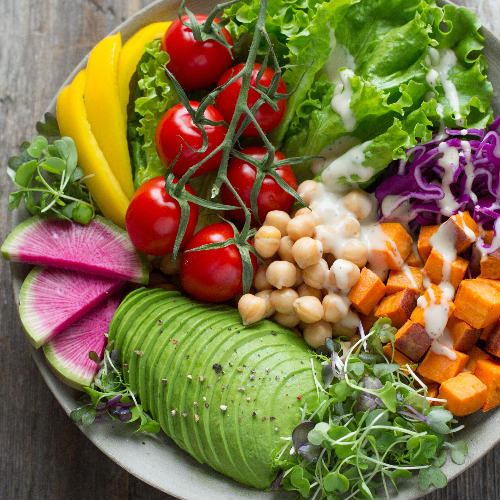
What counts as a legume?
Legumes are plants whose seeds grow in pods. The dried seeds are called pulses. The family includes:
- Lentils: red, green, brown, black and puy
- Beans: black, kidney, pinto, navy (haricot), cannellini, butter and borlotti
- Chickpeas (garbanzo beans)
- Peas: split peas, black-eyed peas and green peas
- Soybeans: edamame, tofu, tempeh and soy milk
- Peanuts, which are legumes, though they’re eaten like nuts
Nutrition compared
Per 100 g, cooked without salt, from USDA FoodData Central:
| Legume | Calories | Protein | Fiber | Iron | Folate | Potassium |
|---|---|---|---|---|---|---|
| Lentils | 116 kcal | 9.0 g | 7.9 g | 3.3 mg | 181 mcg | 369 mg |
| Black beans | 132 kcal | 8.9 g | 8.7 g | 2.1 mg | 149 mcg | 355 mg |
| Chickpeas | 164 kcal | 8.9 g | 7.6 g | 2.9 mg | 172 mcg | 291 mg |
| Kidney beans | 127 kcal | 8.7 g | 7.4 g | 2.9 mg | 130 mcg | 403 mg |
| Pinto beans | 143 kcal | 9.0 g | 9.0 g | 2.1 mg | 172 mcg | 436 mg |
| Navy (haricot) beans | 140 kcal | 8.2 g | 10.5 g | 2.4 mg | 140 mcg | 389 mg |
| Split peas | 118 kcal | 8.3 g | 8.3 g | 1.3 mg | 65 mcg | 362 mg |
| Edamame | 121 kcal | 11.9 g | 5.2 g | 2.3 mg | 311 mcg | 436 mg |
Almost all legumes are low in fat, with soybeans the exception. A 100 g portion of lentils or chickpeas gives you nearly half of the 400 mcg of folate adults need each day, and about a quarter of the daily fiber target.
Health benefits
Lower cholesterol
In the CMAJ review, diets including a median of 130 g of pulses a day, roughly one serving, lowered LDL cholesterol by about 0.17 mmol/L (7 mg/dL) compared with control diets. Soy foods have a similar effect: a meta-analysis of 46 studies found that about 25 g of soy protein a day lowered LDL by 3% to 4%. Our guide to foods that lower cholesterol covers both.
Fiber
Most adults fall short of the 30 g of fiber a day the NHS recommends. A large Lancet review linked higher fiber intake with lower risks of heart disease, stroke, type 2 diabetes and bowel cancer. Beans and lentils are one of the richest sources.
Steady blood sugar
Legumes are digested slowly and have a low glycemic index, so they raise blood sugar gently. Our guide to the glycemic index explains why they’re a good choice for people with diabetes.
Cheap plant protein
Legumes are one of the cheapest sources of protein, and swapping some meat for them cuts saturated fat. Our guide to plant-based protein shows how they compare with other sources.
How they count toward your 5 A Day
The NHS counts 80 g (about 3 heaped tablespoons) of pulses and beans as one portion of your 5 A Day, but they only count once a day, however much you eat. Green beans count as a vegetable instead.
Dried or canned?
Both are healthy.
- Canned beans are cooked and ready to use. Choose ones in water without added salt or sugar, and drain and rinse them, which removes some of the salt and the starchy liquid.
- Dried beans are cheaper and you control the salt, but most need soaking and long cooking.
- Lentils and split peas cook in 15 to 45 minutes without soaking.
Cook dried kidney beans properly
Raw or undercooked red kidney beans contain a natural toxin that can cause severe vomiting and diarrhea. Kansas State University food safety advice is to soak dried beans for at least 5 hours, drain them, then boil them in fresh water for at least 30 minutes. The toxin is destroyed by 10 minutes of boiling, but 30 minutes makes sure the beans get hot enough all the way through. Don’t cook dried kidney beans from raw in a slow cooker, which may not get hot enough. Canned kidney beans are already cooked and safe.
Dealing with gas
Beans contain fiber and sugars that gut bacteria ferment, which can cause wind and bloating. To reduce it:
- Increase portions gradually over a few weeks.
- Rinse canned beans, and discard the soaking water from dried beans.
- Start with lentils and split peas, which many people find easier to digest.
- Drink plenty of water as you eat more fiber.
Easy ways to eat more legumes
- Add lentils to soups, stews and pasta sauces. Our red lentil soup takes 40 minutes.
- Swap half the meat in chili, bolognese or tacos for beans or lentils.
- Make a curry: our chickpea curry is a weeknight favorite.
- Snack on hummus with vegetable sticks. Our guide to whether hummus is healthy includes a recipe.
- Toss chickpeas or beans into salads and grain bowls.
- Roast chickpeas with spices for a crunchy snack.
Common questions
Are legumes keto?
Most are too high in carbohydrate for strict keto. Soybeans, edamame and peanuts are lower-carb exceptions.
Do I need to soak lentils?
No. Lentils and split peas cook without soaking. Larger dried beans and chickpeas cook faster and more evenly after soaking.
Are baked beans healthy?
Baked beans count toward your 5 A Day and provide fiber and protein, but many brands contain added sugar and salt. Choose reduced-sugar and reduced-salt versions.
Are beans fattening?
No. Most beans and lentils are low in fat and high in fiber and protein, which helps you feel full. Watch for added fat and sugar in dishes like refried beans and some baked beans.
How long do cooked beans keep?
Keep cooked beans covered in the fridge and eat them within 3 to 4 days, as the USDA advises for leftovers, or freeze them in portions.
This article is general information, not medical advice. Talk to your doctor or a registered dietitian before making big changes to how you eat, especially if you have a health condition, take regular medication, or are pregnant or breastfeeding.