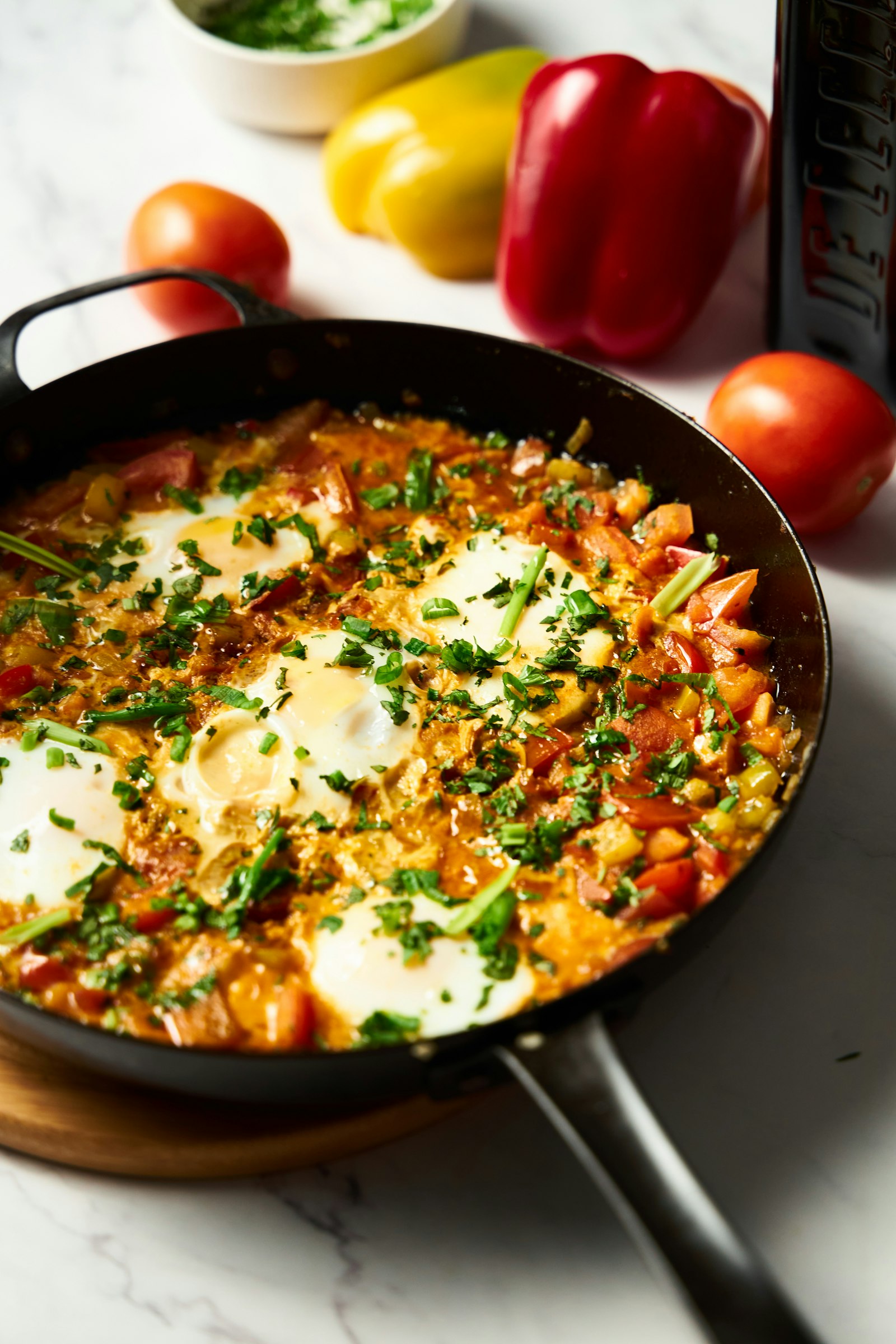
Pasta primavera is pasta tossed with lightly cooked spring vegetables, garlic, olive oil, lemon and parmesan. This version uses penne with zucchini, red pepper, asparagus, cherry tomatoes and peas, and it’s ready in about 30 minutes. It serves 4, is vegetarian as written, and works with whatever vegetables are in season.

- Serves: 4
- Prep time: 15 minutes
- Cook time: 15 minutes
- Total time: 30 minutes
Ingredients
- 300 g (10.5 oz) dried penne or other short pasta
- 2 tablespoons olive oil
- 1 medium zucchini (courgette), about 200 g, halved and sliced
- 1 red bell pepper (about 150 g), sliced
- 150 g (5 oz) asparagus, woody ends snapped off, cut into short lengths
- 200 g (7 oz) cherry tomatoes, halved
- 100 g (¾ cup) frozen peas
- 3 garlic cloves, thinly sliced
- 1 tablespoon lemon juice, plus a little grated zest
- 40 g (⅓ cup) finely grated parmesan, plus extra to serve
- A handful of fresh basil leaves, torn
- ½ teaspoon salt and black pepper
- Salt for the pasta water
Method
- Bring a large pot of salted water to a boil and cook the pasta according to the packet, usually 10 to 12 minutes. Add the frozen peas for the last 2 minutes. Scoop out 250 ml (1 cup) of the cooking water before draining.
- While the pasta cooks, heat the oil in a large frying pan over medium-high heat. Add the zucchini and pepper and cook for 4 to 5 minutes, stirring now and then, until they start to brown at the edges.
- Add the asparagus and cook for 3 minutes until bright green and just tender.
- Add the garlic and cherry tomatoes and cook for 2 minutes, until the tomatoes start to soften but still hold their shape.
- Add the drained pasta and peas to the pan with the lemon juice, zest, parmesan and about 120 ml (½ cup) of the pasta water. Toss for 1 minute until everything is coated in a light, glossy sauce. Add more water if it looks dry.
- Season with the salt and plenty of black pepper, scatter over the basil and serve with extra parmesan.
Tips for the best result
- Cut the vegetables to a similar size so they cook evenly, and add them in order of how long they take.
- Don’t overcook the vegetables. Primavera means “spring”, and the vegetables should stay bright and slightly crisp.
- Use the pasta water. Its starch turns the oil, lemon and cheese into a light sauce that clings to the pasta.
- Add the garlic later so it doesn’t burn and turn bitter.
- Season at the end. Parmesan and pasta water both add salt.
Swaps and variations
- Creamy primavera: stir in 4 tablespoons of cream or crème fraîche with the pasta in step 5.
- More protein: add a can of drained white beans, cooked chicken or shrimp. Shrimp should be cooked until opaque, and the USDA’s safe temperature chart lists 63°C (145°F) for fish and shellfish.
- Other vegetables: broccoli florets, green beans, sugar snap peas, spinach, mushrooms or leeks all work.
- Spaghetti squash primavera: for a lower-carb, gluten-free version, roast a halved spaghetti squash at 200°C (400°F) for about 40 minutes, scrape out the strands with a fork and use them in place of the pasta.
- Vegan: leave out the parmesan and add toasted pine nuts and a pinch of nutritional yeast.
- Whole wheat pasta: adds more fiber. It’s slightly firmer, so cook it for the full time on the packet.
Leftovers
Primavera makes a good next-day lunch. Get leftovers into the fridge within 2 hours, and finish them within 3 to 4 days, which is the window the USDA gives for cooked leftovers. Eaten cold, it works as a pasta salad: loosen it with a squeeze of lemon and a little olive oil. If you’d rather have it hot, warm it through in a frying pan with a spoonful of water until it’s piping hot. It doesn’t freeze well, because the vegetables lose their bite.
Nutrition per serving (estimate)
We worked these numbers out from USDA FoodData Central values for each ingredient, so treat them as a guide. The sodium figure counts the parmesan and the ½ teaspoon of salt in the pan. It leaves out whatever salt the penne picks up from its cooking water.
| Nutrient | Per serving |
|---|---|
| Calories | 440 kcal |
| Protein | 16 g |
| Carbohydrate | 69 g |
| Fiber | 6 g |
| Sugars | 8 g |
| Fat | 11 g |
| Saturated fat | 3 g |
| Sodium | 510 mg |
There are about 800 g of vegetables in the pan, so each of the 4 servings gives you roughly 200 g. That’s half of the 400 g of fruit and vegetables a day the World Health Organization recommends. Swapping to whole wheat penne raises the fiber further.
Contains: wheat (gluten) from the pasta and milk from the parmesan. If you’re feeding someone with a food allergy, read the labels on the pasta and cheese you buy.
What to serve with it
- A crisp green salad. Our strawberry arugula salad is a good spring match.
- Crusty bread to mop up the juices.
- A piece of grilled fish or chicken for a more filling meal.
For a creamier pasta night, try our mushroom tagliatelle.
This article is general information, not medical advice. Nutrition figures are estimates from USDA FoodData Central and will change with the brands and amounts you use. If you follow a diet for a medical reason, check the recipe with your doctor or dietitian.