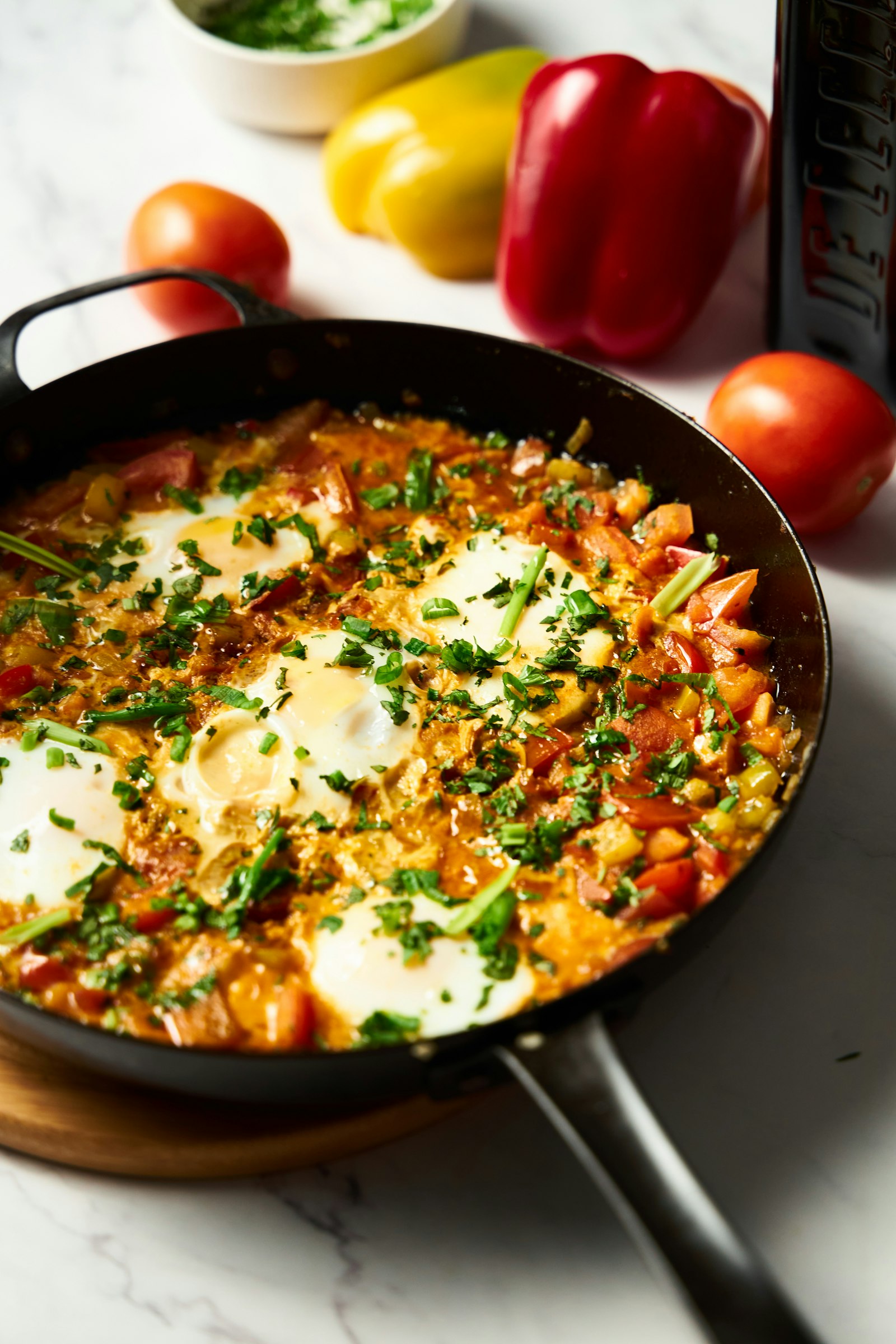
This salmon with spinach and orange sauce pairs crisp-skinned, pan-seared salmon with garlicky wilted spinach and a bright, glossy sauce made from fresh orange juice, a little Dijon mustard and a knob of butter. The sweet-sharp citrus cuts through the richness of the salmon beautifully. It takes about 25 minutes, serves 2, and gives each person about 34 g of protein. It looks impressive enough for a dinner party but is simple enough for a weeknight.

- Serves: 2
- Prep time: 10 minutes
- Cook time: 15 minutes
- Total time: about 25 minutes
Ingredients
Salmon and spinach
- 2 skin-on salmon fillets, about 150 g (5 oz) each
- 2 teaspoons olive oil
- 200 g (7 oz) baby spinach
- 2 garlic cloves, thinly sliced
- A pinch of salt and black pepper
Orange sauce
- 120 ml (½ cup) fresh orange juice, from about 2 oranges, plus a little zest
- 1 teaspoon Dijon mustard
- ½ teaspoon cornstarch, mixed with 1 teaspoon cold water
- 10 g (2 teaspoons) butter
- Orange segments and chives, to serve (optional)
Method
- Prepare the salmon. Pat the fillets very dry with kitchen paper, especially the skin, and season the flesh side lightly.
- Sear skin side down. Heat 1 teaspoon of oil in a non-stick or well-seasoned frying pan over medium-high heat. Lay the salmon in skin side down, press gently with a spatula for 10 seconds so the skin stays flat, then cook without moving it for 4 to 5 minutes, until the skin is crisp and the flesh has turned pale about two-thirds of the way up the sides.
- Finish the fish. Turn the fillets and cook for 1 to 3 minutes more, depending on thickness, until just opaque in the center. Fish should reach 63°C (145°F), as the FDA advises. Lift onto a warm plate, skin side up, to rest.
- Wilt the spinach. Add the remaining oil and garlic to the pan and cook for 30 seconds. Add the spinach in handfuls and toss until just wilted, about 2 minutes. Season, then divide between plates.
- Make the sauce. Wipe out the pan, pour in the orange juice and zest, and bubble for 2 to 3 minutes until reduced by about a third. Whisk in the mustard and cornstarch mixture and simmer for 30 seconds until glossy. Take the pan off the heat and swirl in the butter.
- Serve. Set the salmon on the spinach, spoon the orange sauce around, and garnish with orange segments and chives.
Tips
- Dry skin crisps; wet skin sticks. Kitchen paper is your best tool here.
- Don’t flip too early. The skin releases from the pan when it’s crisp.
- Use fresh orange juice for the brightest flavor. Blood oranges make a striking pink sauce in winter.
- Squeeze the spinach gently in the pan with a spatula to remove excess water before plating.
- Add the butter off the heat so the sauce stays glossy and doesn’t split.
Swaps and variations
- Other fish: trout, sea bass or cod. White fish needs a little less time.
- Greens: kale, chard or green beans instead of spinach.
- Spice: add a pinch of chili flakes or grated ginger to the sauce.
- Dairy-free: finish the sauce with a teaspoon of olive oil instead of butter.
- Sides: serve with new potatoes, brown rice, quinoa or couscous.
Nutrition per serving (estimate)
One serving is one salmon fillet with half the spinach and sauce. These figures were calculated from USDA FoodData Central values for raw farmed Atlantic salmon, spinach, orange juice, garlic, olive oil, unsalted butter, prepared mustard, cornstarch and salt.
| Nutrient | Per serving |
|---|---|
| Calories | 455 kcal |
| Protein | 34 g |
| Carbohydrate | 12.5 g |
| Fiber | 2.5 g |
| Sugars | 5.5 g |
| Fat | 30 g |
| Saturated fat | 8 g |
| Sodium | 390 mg |
Salmon provides omega-3 fats, vitamin D and vitamin B12, and spinach adds folate, vitamin K and vitamin A. Orange juice provides vitamin C, which helps your body absorb the non-heme iron in spinach. The NHS recommends at least 2 portions of fish a week, one of them oily. Our guide to spinach nutrition explains more about its iron.
Contains: fish, milk (butter) and mustard.
Storage
Pan-seared salmon is best eaten straight away, while the skin is crisp. Refrigerate any leftovers within 2 hours and eat within 2 days, cold or gently reheated.
What to serve with it
- New potatoes tossed with herbs.
- Brown rice or quinoa to soak up the sauce.
- Our crispy roast potatoes for a weekend dinner.
Common questions
Can I use bottled orange juice?
Yes, but choose 100% juice without added sugar. Fresh juice gives a brighter flavor.
Is the salmon skin healthy to eat?
Yes. Crisp salmon skin contains some of the fish’s healthy fats. If you prefer not to eat it, it lifts off easily after cooking.
How do I stop salmon sticking to the pan?
Use a non-stick or well-seasoned pan, heat it properly, dry the skin well, and wait until the skin releases on its own before turning.
This article is general information, not medical advice. Nutrition figures are estimates from USDA FoodData Central and will change with the brands and amounts you use. If you follow a diet for a medical reason, check the recipe with your doctor or dietitian.