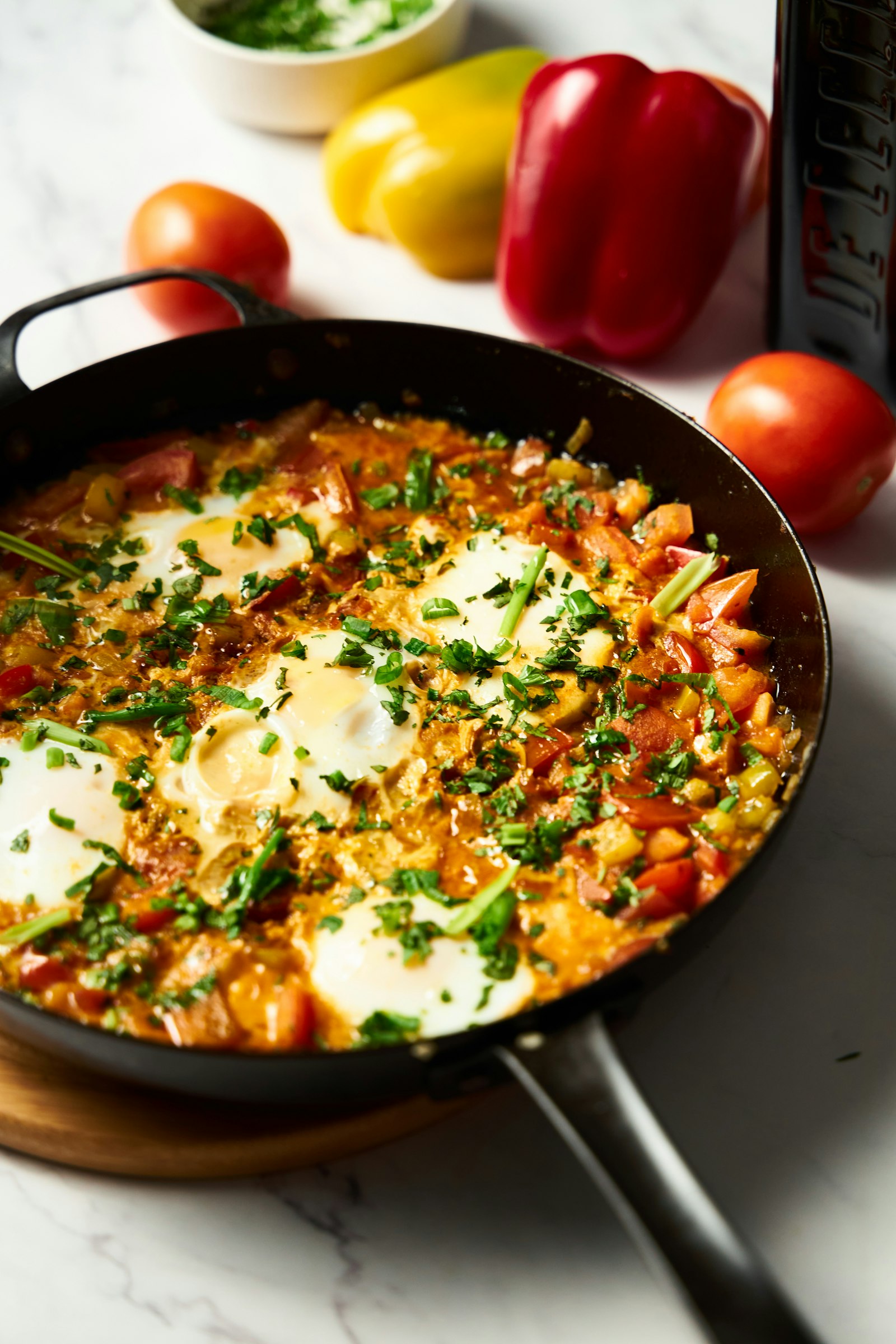
This healthier sweet and sour chicken has tender pieces of chicken breast lightly coated in cornstarch and pan-fried, then tossed with red and green peppers, onion and pineapple in a glossy sauce made from pineapple juice, vinegar, ketchup, a little honey and soy sauce, finished with sesame seeds. There’s no deep-frying or batter, it takes about 30 minutes, and each serving has about 30 g of protein. Serve it with rice for 4.

- Serves: 4
- Prep time: 15 minutes
- Cook time: 15 minutes
- Total time: about 30 minutes
Ingredients
Chicken
- 500 g (1.1 lb) boneless, skinless chicken breast, cut into bite-sized pieces
- 2 tablespoons (20 g) cornstarch (cornflour)
- 1½ tablespoons neutral oil, such as rapeseed or avocado oil
Vegetables
- 1 red bell pepper (about 150 g), cut into chunks
- 1 green bell pepper (about 150 g), cut into chunks
- 1 medium onion (about 100 g), cut into chunks
- 2 garlic cloves, finely chopped
- 1 teaspoon fresh ginger, finely grated
Sauce
- 1 can (about 220 g / 8 oz) pineapple chunks in juice, drained, juice saved (about 200 g fruit and juice in total)
- 2 tablespoons cider vinegar or rice vinegar
- 2 tablespoons ketchup
- 1 tablespoon reduced-salt soy sauce
- 1 tablespoon honey
- 1 teaspoon cornstarch mixed with 1 tablespoon water
To serve
- 1 teaspoon sesame seeds
- Sliced spring onions
- Cooked rice
Method
- Make the sauce: mix the saved pineapple juice (about 80 ml), vinegar, ketchup, soy sauce and honey in a small bowl.
- Pat the chicken dry and toss it with 2 tablespoons of cornstarch until lightly coated.
- Heat 1 tablespoon of the oil in a large frying pan or wok over medium-high heat. Add the chicken in a single layer and cook for 5 to 6 minutes, turning, until golden and cooked through. It should reach 74°C (165°F), the safe temperature for poultry in the USDA’s chart, with no pink inside. Move it to a plate.
- Add the remaining oil, then the peppers and onion. Stir-fry for 3 to 4 minutes until slightly softened but still crisp.
- Add the garlic and ginger and stir for 30 seconds.
- Pour in the sauce and add the pineapple chunks. Bring to a simmer.
- Stir the cornstarch mixture again and add it to the pan. Cook for 1 minute, stirring, until the sauce thickens and turns glossy.
- Return the chicken to the pan and toss to coat.
- Sprinkle with sesame seeds and spring onions, and serve with rice.
Why this version is lighter
Takeaway sweet and sour chicken is usually made with battered, deep-fried chicken and a very sweet sauce. This version:
- Pan-fries the chicken in a little oil with a light cornstarch coating instead of batter.
- Uses pineapple juice for much of the sweetness, with only 1 tablespoon of honey for 4 servings.
- Packs in vegetables: two peppers and an onion.
- Uses reduced-salt soy sauce.
Our guide to healthier takeout has tips for ordering Chinese food when you eat out.
Tips
- Cut the chicken evenly so it cooks at the same rate.
- Don’t crowd the pan. Cook the chicken in two batches if needed, so it browns instead of steaming.
- Keep the vegetables crisp. They finish cooking in the sauce.
- Taste the sauce before adding it, and adjust with more vinegar for sharpness or a little more honey for sweetness.
Swaps and variations
- Tofu: use 400 g of firm tofu, pressed and cubed, instead of chicken.
- Shrimp: use 500 g of peeled raw prawns, cooked for 2 to 3 minutes.
- More vegetables: add snap peas, carrots or broccoli.
- Fresh pineapple: use 150 g of fresh pineapple and 80 ml of unsweetened pineapple juice.
- Gluten-free: use tamari instead of soy sauce, and check the ketchup label.
Nutrition per serving (estimate)
One serving is a quarter of the recipe, without rice. These figures were calculated from USDA FoodData Central values for raw chicken breast, cornstarch, oil, red and green peppers, onion, canned pineapple in juice, vinegar, ketchup, reduced-salt soy sauce, honey, garlic, ginger and sesame seeds.
| Nutrient | Per serving |
|---|---|
| Calories | 305 kcal |
| Protein | 30 g |
| Carbohydrate | 25 g |
| Fiber | 2.5 g |
| Sugars | 15.5 g |
| Fat | 9 g |
| Saturated fat | 1.5 g |
| Sodium | 265 mg |
About a third of the sugars come from the honey and ketchup; the rest come naturally from the pineapple, peppers and onion. Adding 150 g of cooked white rice per person adds about 195 calories and 42 g of carbohydrate. Brown rice adds more fiber. Our guide to the glycemic index explains why basmati and brown rice raise blood sugar more gently than sticky white rice.
Contains: soy, wheat (gluten) in the soy sauce, and sesame.
Storage and reheating
Cool leftovers quickly, cover and refrigerate within 2 hours. Eat within 3 to 4 days, as the USDA advises, and reheat until steaming hot. If you have leftover rice, follow the rice storage advice in our mushroom rice pilaf recipe: cool it within an hour and eat it within 24 hours.
What to serve with it
- Steamed basmati or brown rice.
- Our cauliflower fried rice for a lower-carb meal.
- Steamed bok choy or broccoli.
Common questions
Can I bake the chicken instead?
Yes. Toss the coated chicken in a little oil and bake on a lined tray at 220°C (425°F) for 15 to 18 minutes, turning once, until cooked through. Then add it to the sauce.
Why is my sauce too thin?
It needs a little longer to simmer after adding the cornstarch, or a little more cornstarch mixed with water. It thickens as it bubbles.
Can I make the sauce ahead?
Yes. Mix the sauce and keep it in the fridge for up to 3 days, then cook the chicken and vegetables when you’re ready.
This article is general information, not medical advice. Nutrition figures are estimates from USDA FoodData Central and will change with the brands and amounts you use. If you follow a diet for a medical reason, check the recipe with your doctor or dietitian.