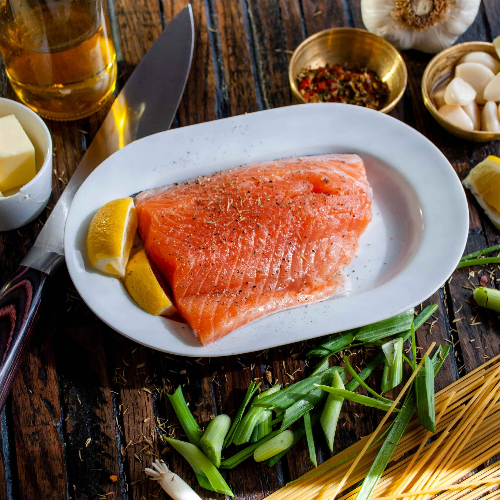
The healthiest fats on keto are mostly unsaturated ones: olive oil, avocado and avocado oil, nuts, seeds and oily fish such as salmon, sardines and mackerel. Saturated fats from butter, cream, cheese, coconut oil and fatty processed meat are best kept to smaller amounts. The NHS explains that too much saturated fat can raise LDL (“bad”) cholesterol, while replacing it with some unsaturated fat can help lower cholesterol. That matters on keto, where fat supplies most of your calories.

Why the type of fat matters on keto
On a typical keto diet, 70 to 80% of calories come from fat, according to Harvard’s Nutrition Source. That’s far more than most people normally eat, so your choice of fats has a big effect on your overall diet.
LDL cholesterol rises in many people on keto. In the Keto-Med trial, LDL went up by about 10% on a ketogenic diet, compared with a fall of about 5% on a Mediterranean-style diet. Harvard’s review links keto’s effect on LDL to plans that emphasize saturated fat. Choosing mostly unsaturated fats is the simplest way to stay keto while protecting your cholesterol. Our guide to whether keto is safe long term covers this in more detail.
Fats compared
Here’s the fat profile of common keto fats per 100 g, from USDA FoodData Central:
| Fat (100 g) | Saturated | Monounsaturated | Polyunsaturated |
|---|---|---|---|
| Olive oil | 13.8 g | 73.0 g | 10.5 g |
| Avocado oil | 11.6 g | 70.6 g | 13.5 g |
| Canola (rapeseed) oil | 7.4 g | 63.3 g | 28.1 g |
| Walnuts | 6.1 g | 8.9 g | 47.2 g |
| Almonds | 3.8 g | 31.6 g | 12.3 g |
| Avocado | 2.1 g | 9.8 g | 1.8 g |
| Lard | 39.2 g | 45.1 g | 11.2 g |
| Butter | 51.4 g | 21.0 g | 3.0 g |
| Coconut oil | 82.5 g | 6.3 g | 1.7 g |
Olive oil, avocado oil, canola oil, nuts and avocado are mostly unsaturated. Butter and especially coconut oil are mostly saturated.
The best fats to build meals around
- Extra-virgin olive oil: for cooking at moderate heat, salad dressings and drizzling over vegetables. It’s the main fat of the Mediterranean diet.
- Avocado and avocado oil: avocado has about 1.8 g of net carbs per 100 g, so it’s one of the most useful keto foods (USDA). Avocado oil has a mild flavor that suits cooking and dressings.
- Nuts and seeds: pecans, macadamias, walnuts, almonds, chia, flax and pumpkin seeds add fat, fiber and minerals. Walnuts, chia and flaxseed also provide ALA, a plant omega-3 fat.
- Oily fish: salmon, sardines, mackerel and trout provide the omega-3 fats EPA and DHA, along with protein and no carbohydrate. The US Food and Drug Administration recommends at least 8 ounces (about 225 g) of seafood a week for adults on a 2,000 calorie diet.
- Olives: a salty, low-carb snack that’s mostly monounsaturated fat.
Fats to keep to smaller amounts
- Butter and ghee: fine for flavor, but mostly saturated fat.
- Cream and cheese: useful on keto, but easy to overdo. Watch portions, especially of hard cheese.
- Coconut oil and MCT oil: coconut oil is over 80% saturated fat (USDA). A spoonful in a curry is fine, but it shouldn’t be your main cooking fat.
- Processed meat: bacon, salami and sausages are high in saturated fat and salt.
The World Health Organization recommends getting no more than 10% of your energy from saturated fat and less than 1% from trans fat. On a 2,000 calorie day, 10% is about 22 g of saturated fat. Many keto meal plans built around butter, cream and bacon go well past that.
Fats to avoid
Trans fats, found in some fried foods, baked goods and older types of margarine and shortening, are the type to avoid. The WHO recommends keeping them under 1% of energy. If you’re unsure, check labels for “partially hydrogenated oils”.
A day of keto meals using healthy fats
- Breakfast: eggs scrambled in olive oil with spinach, plus half an avocado.
- Lunch: a large salad with canned sardines or salmon, olives, cucumber and an olive oil and lemon dressing.
- Snack: a small handful of walnuts or pecans.
- Dinner: chicken thighs roasted with zucchini and peppers in avocado oil, with a spoonful of pesto.
- Dessert: raspberries with a little Greek yogurt and a sprinkle of chia seeds.
That day has plenty of fat for keto, but most of it is unsaturated. Our guide to keto macros explains how much fat you actually need.
Easy swaps
| Instead of | Try |
|---|---|
| Frying in butter | Olive or avocado oil |
| Bacon every breakfast | Smoked salmon or eggs |
| Creamy cheese sauces | Olive oil, lemon and herb dressings |
| Butter coffee | Coffee with a splash of cream |
| Salami snacks | Nuts, olives or celery with almond butter |
Do you need to eat fat “to target”?
No. On keto, fat fills the calories that carbohydrate used to provide, but you don’t need to add extra fat to hit a number. If you’re trying to lose weight, adding fat for its own sake can mean eating more than you need. Get enough protein, keep carbs low, and use fat to make meals satisfying.
Before you start
Safety note: A ketogenic diet isn’t safe for everyone. Don’t start one without medical supervision if you have type 1 diabetes, take insulin or other diabetes medicines (especially SGLT2 inhibitors such as empagliflozin or dapagliflozin), take medicine for high blood pressure, have kidney, liver, pancreas or gallbladder disease, are underweight or have had an eating disorder, or are pregnant or breastfeeding. Children should only follow keto as a medical treatment run by a specialist team. A 2026 review of keto’s contraindications lists these and other situations that need care, so talk to your doctor first if any apply to you.
People with familial hypercholesterolemia, an inherited cause of very high LDL, are on that review’s list of people who should only try keto under medical care.
This article is general information, not medical advice. Talk to your doctor or a registered dietitian before making big changes to how you eat, especially if you have a health condition, take regular medication, or are pregnant or breastfeeding.