There’s no strong evidence that keto clears acne, but diet does seem to play a part for some people, and keto cuts out the foods most often linked with breakouts. The best evidence is for lowering the glycemic load of your diet, which means fewer foods that raise blood sugar quickly, such as white bread, sugary drinks and sweets. In a 12-week trial in young men with acne, a low-glycemic-load diet reduced the number of acne spots more than a usual diet did. A keto diet is very low in glycemic load, so it may help some people, though a less strict low-glycemic diet may work just as well. Keto can also cause its own skin problem, a rare rash. For persistent acne, the most effective step is seeing a doctor or dermatologist, as proven treatments work much better than diet alone.
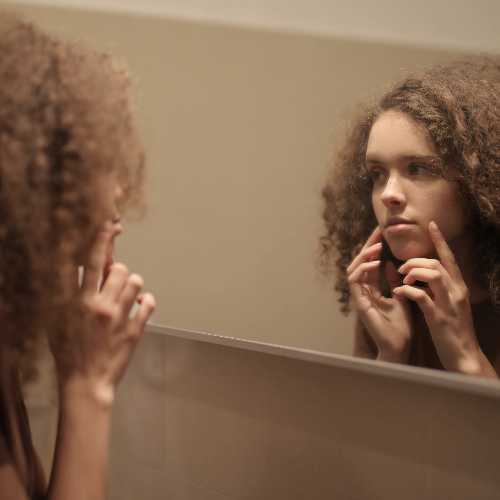
What causes acne?
Acne develops when hair follicles become clogged with oil (sebum) and dead skin cells, and bacteria and inflammation follow. The main drivers are hormones, especially androgens, which increase oil production, along with genetics. That’s why acne is so common in teenagers, and why it can flare around periods, in pregnancy, or with conditions such as polycystic ovary syndrome (PCOS). The NHS explains the causes and treatments. Diet is thought to be one of several factors that can make acne better or worse, rather than the main cause.
How diet may affect acne
High-glycemic foods
Foods that raise blood sugar quickly also raise insulin and a hormone called IGF-1, which can increase oil production and androgen activity in the skin. The American Academy of Dermatology notes that findings from small studies suggest a low-glycemic diet may reduce the amount of acne. Examples of high-glycemic foods include white bread, cornflakes, white rice, potatoes and fries, pastries and sugary drinks.
In that 12-week experiment, young men on the low-glycemic-load diet had about 23 fewer spots after 12 weeks, compared with 12 fewer in the control group. They also lost a little weight and improved their insulin sensitivity, so it’s not clear how much each change contributed.
Dairy
Milk has also been linked with acne. A 2018 meta-analysis of observational research in more than 78,000 children and young adults found that people who drank milk were somewhat more likely to have acne, while yogurt and cheese weren’t clearly linked. The evidence was low quality, so cutting dairy isn’t necessary for everyone, but some people notice a difference. If you cut dairy, make sure you still get enough calcium from other foods.
Chocolate and greasy food
Despite the reputation, there’s little good evidence that chocolate or greasy food on its own causes acne. Sugary chocolate fits into the high-glycemic category, though.
Can keto help acne?
Keto cuts out almost all high-glycemic foods, so in theory it could help in the same way as a low-glycemic diet. Weight loss and better insulin sensitivity may also help, especially in people with PCOS. But keto itself has hardly been tested for acne, and what we know comes mostly from small experiments with low-glycemic diets and from individual experiences.
Some things to keep in mind:
- A moderate low-glycemic diet that keeps vegetables, fruit, beans and whole grains may give the same skin benefit with fewer downsides. Our guide to the glycemic index explains which foods to choose.
- Keto can be high in dairy. If milk seems to affect your skin, a keto diet full of cream and cheese might not help, so notice how you respond.
- Results take time. Skin cells turn over slowly, so give any diet change at least 8 to 12 weeks before judging it.
Keto rash
Some people develop an itchy rash called prurigo pigmentosa when they start keto or fast. It usually appears on the chest, back and neck as red, raised spots that can leave brown marks. It’s rare and not the same as acne. DermNet describes it in detail, and our guide to keto rash explains what helps. See a doctor if you develop a new rash.
Keto, PCOS and acne
Polycystic ovary syndrome often causes acne, excess hair growth, irregular periods and difficulty losing weight. The NHS recommends a healthy, balanced diet and, if needed, weight loss as part of treatment. Some women with PCOS find a low-carb diet helps with weight and insulin resistance. Our article on keto for women covers PCOS in more detail. Talk to your doctor before starting keto if you have PCOS, especially if you’re taking medicines such as metformin.
Foods that support healthy skin
Whether or not you follow keto, these choices support skin health:
- Plenty of vegetables and some fruit for vitamins A and C.
- Oily fish, walnuts and flaxseed for omega-3 fats.
- Zinc-rich foods such as seafood, meat, pumpkin seeds and beans.
- Water to stay hydrated.
- Fewer sugary drinks, sweets and refined carbs.
Our guide to foods for healthy skin has more.
When to see a doctor
See your doctor or pharmacist if:
- Your acne is moderate or severe, or painful lumps form under the skin.
- Over-the-counter products haven’t helped after a couple of months.
- Your acne is leaving scars or dark marks.
- It’s affecting your mood or confidence.
Effective treatments include topical retinoids, benzoyl peroxide, antibiotics, hormonal treatments for some women, and isotretinoin for severe acne. Diet can be a helpful extra, but it rarely replaces treatment.
Common questions
Does sugar cause acne?
Sugar alone doesn’t cause acne, but diets high in sugar and refined carbs may make it worse in some people.
Will cutting carbs clear my skin?
It may help some people, especially if their diet was high in sugary and refined foods, but it isn’t a sure fix. Hormones and genetics play a larger role.
Why did my skin break out when I started keto?
Possible reasons include hormonal changes with weight loss, more dairy, stress, or keto rash, which looks different from typical acne. If it doesn’t settle within a few weeks, see a doctor.
Safety note: Keto isn’t suitable for everyone. If you have diabetes, kidney or liver disease, take regular medication, or are pregnant or breastfeeding, talk to your doctor before cutting carbs this far (why it matters).
This article is general information, not medical advice. Talk to your doctor or a registered dietitian before making big changes to how you eat, especially if you have a health condition, take regular medication, or are pregnant or breastfeeding.