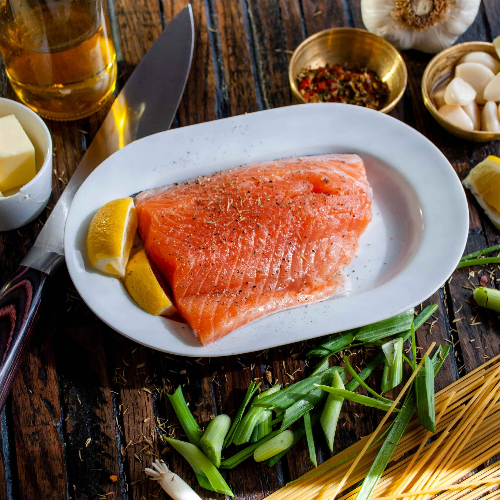
A ketogenic diet can improve blood sugar and insulin levels in people with insulin resistance, prediabetes or type 2 diabetes, mostly because it cuts carbohydrate and usually leads to weight loss. But it isn’t the only diet that works. In the Keto-Med trial, keto and a Mediterranean-style diet improved blood sugar about equally over 12 weeks, and the Mediterranean-style diet was easier to stick with and didn’t raise LDL cholesterol. If you take medicines for diabetes, talk to your doctor before starting, because doses may need to change.

What insulin resistance is
Insulin is the hormone that moves sugar from your blood into your cells. Insulin resistance, as the US National Institute of Diabetes and Digestive and Kidney Diseases (NIDDK) puts it, is a condition in which your body doesn’t respond to insulin the way it should. Your pancreas makes more insulin to compensate, and over time blood sugar can rise into the prediabetes or type 2 diabetes range.
The NIDDK lists having overweight or obesity, a large waist size and not being physically active among the risk factors. It also notes that people with insulin resistance and prediabetes usually have no symptoms, and that the test for insulin resistance itself is used mainly in research. In practice, doctors check blood sugar instead: an A1C of 5.7% to 6.4%, or a fasting blood sugar of 100 to 125 mg/dL, means prediabetes.
How keto might help
Keto cuts carbohydrate to very low levels, usually under 50 g a day, according to Harvard’s Nutrition Source. With less carbohydrate coming in, there’s less sugar entering the blood after meals, so the body needs less insulin.
Weight loss matters too. The NIDDK notes that in the Diabetes Prevention Program, people at high risk of type 2 diabetes who lost 5% to 7% of their starting weight lowered their chance of developing it. Any diet that helps you lose weight and keep it off can help with insulin resistance.
What the research shows
Keto vs a Mediterranean-style diet
The most useful head-to-head trial is Keto-Med. Forty adults with prediabetes or type 2 diabetes spent 12 weeks on a well-formulated ketogenic diet and 12 weeks on a Mediterranean-style diet, in random order. Both diets cut added sugar and refined grains, but only the Mediterranean-style one kept legumes, fruit and whole grains.
- Blood sugar (HbA1c): improved on both diets, with no significant difference between them.
- Triglycerides: fell more on keto (about 16% vs 5%).
- LDL cholesterol: rose about 10% on keto but fell about 5% on the Mediterranean-style diet.
- Nutrients: keto meant less fiber, folate, vitamin C and magnesium.
- Sticking with it: follow-up data suggested the Mediterranean-style diet was more sustainable.
The researchers concluded that the benefits came largely from what the two diets shared: cutting added sugar and refined grains and eating more non-starchy vegetables.
Pooled studies of keto in type 2 diabetes
A 2020 meta-analysis pooled studies of ketogenic diets in people with type 2 diabetes. After keto, fasting blood sugar fell by an average of 1.29 mmol/L (about 23 mg/dL), HbA1c by about 1.07 percentage points, and weight by about 8.7 kg. These results compare people before and after the diet rather than against a control group, so they show what happened on keto but not whether keto beats other approaches.
Keto or another low-carb approach?
| Ketogenic diet | Mediterranean-style, lower in refined carbs | |
|---|---|---|
| Carbohydrate | Usually under 50 g a day | Moderate, mostly from vegetables, legumes, fruit and whole grains |
| Blood sugar in Keto-Med | Improved | Improved about the same |
| LDL cholesterol in Keto-Med | Up about 10% | Down about 5% |
| Fiber and key nutrients | Lower | Higher |
| Ease of sticking with it | Harder | Easier |
Based on the Keto-Med trial.
For many people with insulin resistance, a less strict approach that cuts sugar and refined starch while keeping beans, fruit and whole grains may give similar blood sugar benefits with fewer downsides. Our guide to the Mediterranean diet explains how to start.
Medicines: the most important safety point
If you have diabetes, talk to your doctor before cutting carbohydrate this far. A 2026 review of keto’s contraindications flags interactions with insulin, sulfonylureas, SGLT2 inhibitors, metformin and GLP-1 receptor agonists. In practice:
- Insulin and sulfonylureas can push blood sugar too low when carbohydrate drops suddenly.
- SGLT2 inhibitors (such as empagliflozin or dapagliflozin) combined with very low-carb diets have been linked to euglycemic ketoacidosis, a dangerous condition that can happen even when blood sugar readings look normal.
Doses often need adjusting before or soon after you start. That’s a decision for your doctor, never something to change on your own.
Other things that improve insulin resistance
- Physical activity: the NIDDK lists physical activity among the healthy habits that can help.
- Sleep: the NIDDK includes getting enough sleep in its advice.
- Cutting sugary drinks: our guide to how much sugar per day shows how quickly they add up.
- More whole foods and fewer ultra-processed ones, which made people eat less without trying in a controlled NIH study.
Before you start
Safety note: A ketogenic diet isn’t safe for everyone. Don’t start one without medical supervision if you have type 1 diabetes, take insulin or other diabetes medicines (especially SGLT2 inhibitors such as empagliflozin or dapagliflozin), take medicine for high blood pressure, have kidney, liver, pancreas or gallbladder disease, are underweight or have had an eating disorder, or are pregnant or breastfeeding. Children should only follow keto as a medical treatment run by a specialist team. A 2026 review of keto’s contraindications lists these and other situations that need care, so talk to your doctor first if any apply to you.
Common questions
Can keto reverse insulin resistance?
Be wary of any diet that promises “reversal”. Losing weight, moving more and cutting refined carbohydrate can all improve insulin resistance, and keto is one way to do those things. Some people with type 2 diabetes reach remission after substantial weight loss: in the DiRECT trial, almost half of the people on an intensive, medically supervised weight-loss program were in remission at 12 months. That program used a low-calorie formula diet, not keto, and remission is a goal to work toward with your doctor.
This article is general information, not medical advice. Talk to your doctor or a registered dietitian before making big changes to how you eat, especially if you have a health condition, take regular medication, or are pregnant or breastfeeding.