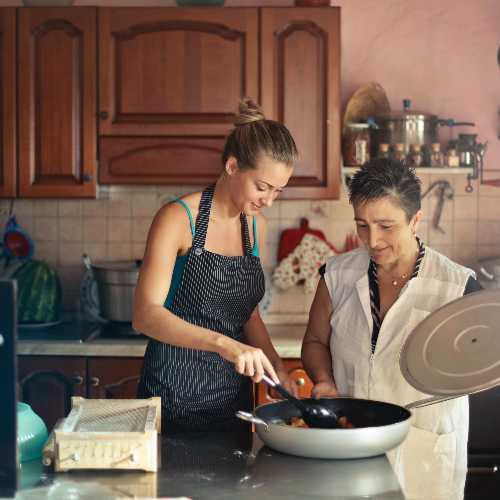
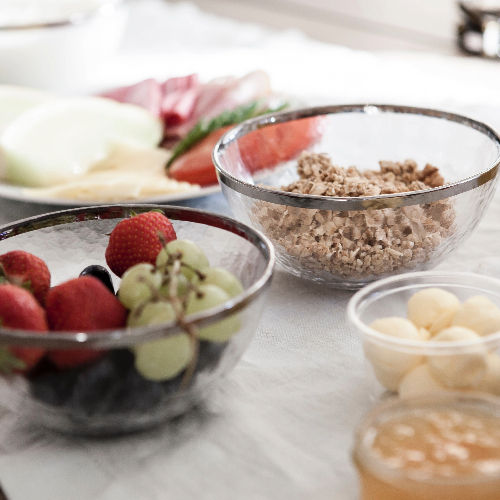
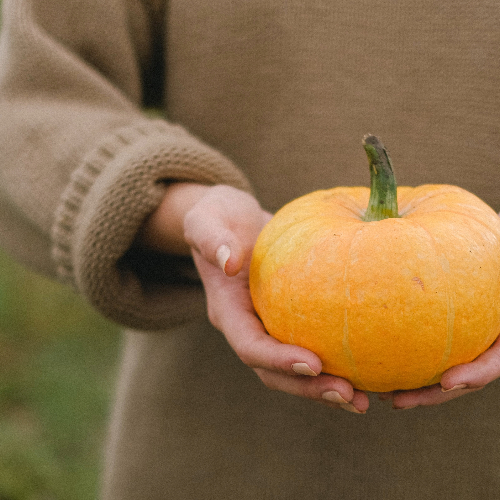
Cooking with kids builds skills, confidence and a healthier relationship with food, and children who help prepare meals are often more willing to try new foods. Even toddlers can wash vegetables and tear lettuce, while older children can measure, chop with supervision, and eventually cook simple meals on their own. The keys are to choose age-appropriate tasks, teach hand washing and kitchen safety from the start, keep raw meat and raw dough away from little hands, and accept that it will be messier and slower than cooking alone. Start with simple, healthy recipes they’ll enjoy eating.
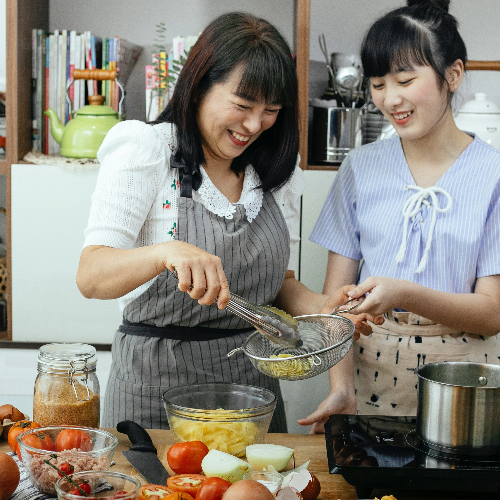
Why cook with children?
- They’re more likely to try new foods. Handling, smelling and preparing vegetables makes them more familiar and less scary.
- They learn life skills: measuring, following instructions, planning and basic food safety.
- It builds confidence and independence, especially when they can say “I made this.”
- It teaches healthy habits that can last into adulthood.
- It’s quality time together, away from screens.
Children also learn by watching. The NHS notes that the best way for a child to learn to eat and enjoy new foods is to copy you. Our tips on getting kids to eat vegetables explain more.
Age-by-age kitchen tasks
Every child is different, so use these as a guide and build up as they gain confidence.
Ages 2 to 3
- Wash fruit and vegetables in a bowl of water.
- Tear lettuce and herbs.
- Stir cold ingredients in a large bowl.
- Put things in the bin and help wipe the table.
- Sprinkle toppings on pizzas or salads.
Ages 4 to 5
- Mash bananas, potatoes or avocado.
- Spread butter, cream cheese or hummus with a blunt knife.
- Measure dry ingredients with cups and spoons.
- Crack eggs into a bowl, then wash hands.
- Cut soft foods, such as banana, mushrooms or strawberries, with a child-safe knife.
- Set the table.
Ages 6 to 8
- Peel vegetables with a peeler, with supervision.
- Grate cheese or carrots, keeping fingers clear.
- Use a small knife for chopping soft vegetables, using the “bridge” and “claw” grips.
- Read simple recipes and measure liquids.
- Make simple dishes such as fruit salad, sandwiches, overnight oats or yogurt pots.
Ages 9 to 12
- Follow a recipe from start to finish with an adult nearby.
- Use the hob and oven with supervision, including boiling pasta and baking.
- Chop a wider range of foods with a sharp knife.
- Make simple meals such as omelets, pasta with tomato sauce, stir-fries or tray bakes.
- Help plan a family meal and write the shopping list.
Teenagers
- Cook complete meals independently.
- Plan a weekly menu and budget.
- Learn to cook a few healthy staples they’ll use when they leave home. Our guide to healthy eating for teenagers has ideas.
Kitchen safety rules
- Wash hands with soap and water before cooking and after touching raw meat, fish, eggs or the bin. The NHS suggests washing for about 20 seconds, as long as it takes to sing “Happy Birthday” twice.
- Tie back long hair, roll up sleeves and wear an apron.
- Supervise knives, graters, peelers and heat at all ages, adjusting how closely depending on the child.
- Turn pan handles inward so they can’t be knocked.
- Teach that ovens, pans and steam are hot, and use oven gloves.
- Keep raw meat separate from foods that won’t be cooked, and use a separate chopping board.
- No tasting raw dough or batter. The FDA advises never eating raw flour, dough or batter, and not letting children eat or play with raw dough, because flour is a raw food that can carry harmful bacteria, and raw eggs may too.
- Clean as you go and wipe up spills straight away.
Easy, healthy recipes to make together
- Fruit salad or fruit skewers. Our fruit salad with lime and mint is a good first recipe.
- Homemade pizzas on whole wheat pitta or tortilla bases, with vegetable toppings.
- Overnight oats or yogurt parfaits. See our Greek yogurt parfait.
- Banana oat pancakes. Our banana pancakes need only a blender.
- Wraps and sandwiches with fillings children choose.
- Vegetable soup, where children can wash, peel and add the vegetables.
- Homemade granola with oats and seeds. Our low-sugar granola is easy to mix.
Tips for a calm kitchen
- Choose a quiet time, not a rushed weekday evening, for the first few sessions.
- Prepare ingredients and equipment before you start.
- Give each child a job, and take turns.
- Expect mess, and build clean-up into the activity.
- Praise effort, not perfection.
- Let them taste the finished dish, without pressure to eat it all.
Cooking with children who have allergies or special diets
If your child has a food allergy, cooking together is a great way to teach them how to read labels and spot ingredients to avoid. Clean surfaces and equipment carefully, keep allergens out of the kitchen while you cook, and choose recipes that are naturally free of the problem food. The FDA lists the major food allergens, including milk, eggs, peanuts, tree nuts, wheat, soy, fish, shellfish and sesame. If friends’ children are joining in, check for allergies before you plan the menu.
Common questions
How do I involve a picky eater?
Let them choose a vegetable at the shop, wash and prepare it, and decide how to serve it. Children are often more willing to taste foods they’ve helped make, even if it takes several tries.
At what age can children start cooking?
Children can help in simple ways from about 2 years old, with close supervision. They can usually start using a child-safe knife for soft foods at around 4 to 5.
How can I teach knife skills safely?
Start with soft foods and a child-safe knife, teach the “bridge” (holding food under an arched hand) and “claw” (curled fingertips) grips, and always supervise.
What if my child won’t eat what they’ve made?
That’s fine. Cooking still builds familiarity. Offer it again another time, and keep cooking together. Eating together as a family helps too; our article on family meals explains why.
This article is general information, not medical advice. Talk to your doctor or a registered dietitian before making big changes to how you eat, especially if you have a health condition, take regular medication, or are pregnant or breastfeeding.