Teenagers need more energy and nutrients than at almost any other time of life, because they’re growing fast. The American Academy of Pediatrics puts average needs at about 2,800 calories a day for boys and 2,200 for girls, and says teens most often fall short on calcium, iron, zinc and vitamin D. Regular meals built around vegetables, fruit, whole grains, protein foods and dairy or fortified alternatives cover most of it. Crash diets and skipped meals are the things to watch for.
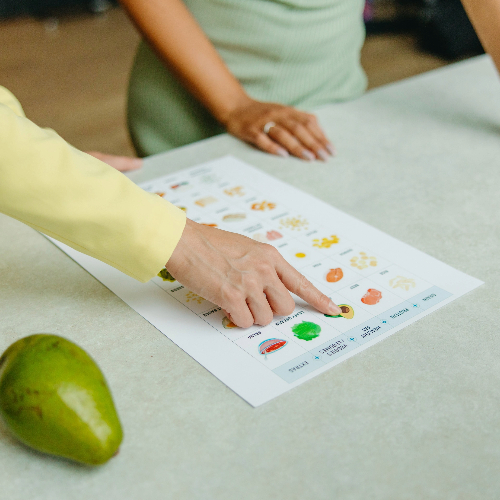
Why teenagers need more
Adolescence brings a growth spurt, rising muscle and bone mass and, for girls, the start of periods. According to the AAP, the body demands more calories during early adolescence than at any other time of life. Active teens, especially those who play sport, may need more than the averages above.
The same AAP page notes that girls eat about a quarter fewer calories than boys in middle and late adolescence, which makes them more likely to fall short of vitamins and minerals.
The nutrients teens most often miss
| Nutrient | Daily amount, ages 14 to 18 | Good food sources |
|---|---|---|
| Calcium | 1,300 mg | Milk, yogurt, cheese, calcium-fortified plant drinks, calcium-set tofu |
| Iron | 15 mg girls, 11 mg boys | Meat, beans, lentils, fortified cereals, leafy greens |
| Vitamin D | 15 mcg (600 IU) in the US, 10 mcg in the UK | Oily fish, eggs, fortified foods, sunlight, supplements |
| Zinc | 9 mg girls, 11 mg boys | Meat, shellfish, beans, nuts, seeds, whole grains |
US figures from the NIH Office of Dietary Supplements fact sheets on calcium, iron and zinc. The UK vitamin D figure is from the NHS.
Calcium
Teen years are a key time for building bone, which is why the US calcium target of 1,300 mg is higher than the 1,000 mg for most adults. Three servings of dairy or fortified alternatives a day goes a long way: for example, a glass of milk, a pot of yogurt and a slice of cheese.
Iron
Girls need more iron than boys once periods start. Iron from plant foods is absorbed less well than iron from meat, and the NHS suggests eating vitamin C-rich foods at the same meal and avoiding tea or coffee with main meals to help. Our guide to iron-rich foods has more detail.
Vitamin D
The NHS advises everyone, teens included, to consider a daily 10 mcg vitamin D supplement during autumn and winter. Our guide to vitamin D explains why.
What a healthy day can look like
- Breakfast: porridge or whole grain cereal with milk and fruit, or eggs on whole grain toast.
- Lunch: a wrap or sandwich with chicken, tuna, egg or hummus, plus salad, a yogurt and a piece of fruit.
- After school: a filling snack such as a banana with peanut butter, cheese and crackers, or a smoothie.
- Dinner: a family meal with protein, a starchy food such as rice or potatoes, and plenty of vegetables.
- Drinks: water and milk through the day.
Common teen nutrition problems
Skipping breakfast
Many teens rush out without eating. Something quick still helps: a banana and a glass of milk, yogurt and granola, or a peanut butter sandwich to eat on the way.
Sugary and energy drinks
Soft drinks add sugar quickly. A single can of soda can contain up to 40 g of free sugars, according to the World Health Organization, more than the NHS daily limit of 30 g for adults. Energy drinks add caffeine as well as sugar, so they’re best avoided. Our guide to how much sugar per day explains more.
Fast food and snacking
Fast food is fine occasionally. The bigger issue is when takeaways and packaged snacks replace most home-cooked meals. Keeping fruit, yogurt, nuts and whole grain bread at home makes the healthy choice the easy one.
Vegetarian and vegan teens
A well-planned vegetarian or vegan diet can meet a teenager’s needs. The Academy of Nutrition and Dietetics says appropriately planned vegetarian and vegan diets are appropriate for all stages of life, including adolescence. Planning matters most for iron, calcium, vitamin B12, iodine and omega-3 fats. Our beginner’s guide to a vegan diet covers the details.
Dieting and body image
Teens shouldn’t follow restrictive diets, skip meals to lose weight, or cut out whole food groups without medical advice, because growing bodies need steady fuel. If weight is a concern, talk to a doctor, who can look at growth over time and suggest healthy changes for the whole family.
Watch for signs that eating has become a problem: skipping meals regularly, rapid weight loss, intense worry about food or body shape, eating in secret, or making themselves sick. These can be signs of an eating disorder, which is serious but treatable. If you’re worried about yourself or your teen, talk to a doctor as soon as possible. If someone is in crisis, findahelpline.com lists free, confidential helplines in many countries.
How parents can help
- Eat together when you can. Family meals give teens a regular, balanced meal and a chance to talk.
- Stock the kitchen with easy, healthy options: fruit, yogurt, eggs, whole grain bread, nuts and cut vegetables.
- Involve them in cooking. Teens who can cook a few simple meals are better prepared for life away from home.
- Focus on health and energy, not weight. Comments about weight or body shape can do harm.
- Model the habits you want to see. Teens notice what adults eat and drink.
How much should teens drink?
Water and milk are the best everyday drinks for teens. The NHS suggests 6 to 8 glasses of fluid a day for most people, more in hot weather or during sport, and keeping fruit juice to one small glass a day.
Snacks that work for teens
Teens often get hungry between meals, especially during growth spurts or sport. Filling options include a sandwich, yogurt and fruit, a bowl of cereal with milk, cheese and crackers, or nuts. Our guide to healthy snack ideas has more.
This article is general information, not medical advice. Talk to your doctor or a registered dietitian before making big changes to how you eat, especially if you have a health condition, take regular medication, or are pregnant or breastfeeding.



