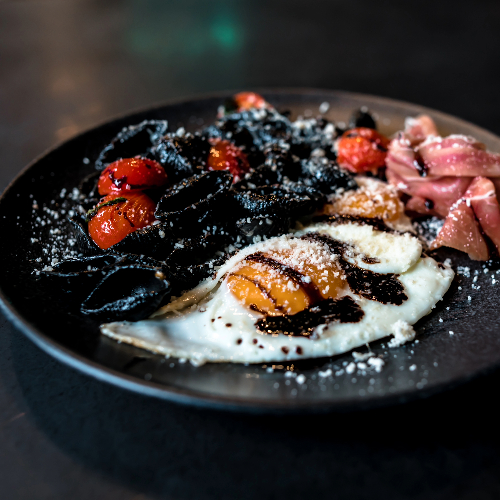
Eating late at night isn’t harmful in itself, but large meals close to bedtime can disturb sleep and trigger heartburn, and regular late-night eating may make weight harder to manage. The NHS advises people with reflux not to eat within 3 or 4 hours of going to bed, and its insomnia advice includes not eating a big meal late at night. In a controlled 2022 trial, eating the same food later in the day increased hunger and lowered energy use while awake. What you eat and how much matter most, so a small, light snack is fine if you’re genuinely hungry.

Does eating late make you gain weight?
The idea that “calories after 8pm turn to fat” is too simple. Weight depends mainly on how much you eat and move over days and weeks. But timing may play a part:
- Hunger and energy use: in the 2022 trial in Cell Metabolism, volunteers ate identical meals on an earlier or a later schedule, under tightly controlled conditions. Late eating increased hunger, shifted appetite hormones, lowered energy expenditure while awake, and changed gene activity in fat tissue in a way that favors storing fat. It was a small study, but it suggests timing isn’t irrelevant.
- Extra food, not timing: much of the problem with late-night eating is that it’s often extra food on top of a full day of meals, eaten in front of a screen, and often high in sugar, fat and salt.
At the same time, simply eating within a set time window hasn’t been shown to be better than ordinary calorie cutting. In a 12-month NEJM trial, people who ate within an 8-hour window lost about the same weight as people who cut calories without a time limit. Our article on keto and intermittent fasting covers this research.
Late eating and sleep
A large meal close to bedtime can make it harder to fall asleep, according to the NHS’s Every Mind Matters advice. Heavy, rich or spicy food late in the evening can also cause discomfort when you lie down. Caffeine, alcohol and nicotine late in the day also disrupt sleep. Our guide to foods that help you sleep explains more.
Late eating and heartburn
Lying down soon after a meal makes it easier for stomach acid to rise into the food pipe. The NHS advises people with heartburn or acid reflux to:
- Eat smaller, more frequent meals
- Not eat within 3 or 4 hours before bed
- Avoid food and drink that trigger symptoms, such as coffee, alcohol, chocolate, and fatty or spicy food
- Lose weight if they’re overweight
Why do we eat late at night?
- Not eating enough earlier in the day, especially skipping breakfast or lunch.
- Habit, such as snacking in front of the TV.
- Tiredness, which can increase appetite and cravings.
- Stress, boredom or low mood.
- Late work, studying or shift patterns.
Noticing which of these applies to you is the first step. Our guide to mindful eating has practical ways to tell real hunger from habit.
How to avoid late-night overeating
- Eat regular meals, with protein and fiber at each one, so you’re not ravenous by evening.
- Plan your evening meal at least 2 to 3 hours before bed when you can.
- Have a planned snack if there’s a long gap between dinner and bed, rather than grazing.
- Brush your teeth after dinner, which signals the end of eating for many people.
- Keep tempting snacks out of sight, or out of the house.
- Notice why you’re eating: if it’s boredom or stress, try a walk, a bath or a chat with someone.
- Get enough sleep, which helps regulate appetite.
A day that makes late eating less likely
| Time | What to eat |
|---|---|
| Breakfast | Porridge with milk and fruit, or eggs on whole grain toast |
| Lunch | A filling salad or soup with protein and whole grains |
| Afternoon | Yogurt, fruit or a handful of nuts |
| Evening meal | A balanced plate, eaten 2 to 3 hours before bed |
Eating enough protein and fiber earlier in the day helps you feel less hungry at night. Our guide to making a salad that fills you up shows how to build a lunch that lasts.
Good snacks if you’re hungry late
If you’re genuinely hungry, a small snack is better than lying awake. Choose something light:
- A small pot of plain yogurt or a glass of milk
- A piece of fruit, such as a banana or two kiwifruits
- A small handful of nuts
- A slice of whole grain toast with peanut butter
- A small bowl of oats or whole grain cereal with milk
Our list of healthy snack ideas includes calories for each.
Special situations
- Shift workers: eat your main meal before your shift, choose light snacks during the night, and avoid large meals just before sleeping during the day.
- Diabetes: some people who take insulin or certain tablets are advised to have a bedtime snack to prevent hypos overnight. Follow your diabetes team’s advice.
- Athletes and very active people may need an evening meal or snack after late training to recover.
Common questions
What time should I stop eating?
There’s no single cut-off. Finishing your main meal 2 to 3 hours before bed suits most people, and 3 to 4 hours helps if you get heartburn.
Is it bad to go to bed hungry?
Mild hunger is fine, but feeling very hungry can keep you awake. A light snack can help.
Does eating late cause nightmares?
There’s little evidence either way. Large or rich meals late at night can disturb sleep in general, which may make you more aware of dreams.
Is late-night snacking bad for teeth?
It can be. Saliva flow drops at night, so sugary or acidic snacks after brushing your teeth are harder on them. If you snack after brushing, choose plain water, milk or a small non-sugary snack, and brush again if you can.
Does eating late cause weight gain if I stay within my calories?
Total calories matter most, but the small trial described above suggests timing may nudge hunger and energy use in the wrong direction. If you can, eat more of your food earlier in the day.
This article is general information, not medical advice. Talk to your doctor or a registered dietitian before making big changes to how you eat, especially if you have a health condition, take regular medication, or are pregnant or breastfeeding.