Most healthy adults need roughly 1.5 to 2 liters (about 6 to 8 glasses) of fluid a day from drinks, with food providing the rest of their water. The European Food Safety Authority sets total water intake at 2.0 liters a day for women and 2.5 liters for men, counting water from both drinks and food, and the NHS suggests 6 to 8 cups or glasses of fluid a day. You need more in hot weather, during exercise, when you’re ill, and when pregnant or breastfeeding.

The official figures
Health bodies set slightly different figures, mainly because they use different data and assumptions. All of them refer to total water, from drinks and from the water in food:
| Source | Women | Men |
|---|---|---|
| European Food Safety Authority (EFSA) | 2.0 liters a day | 2.5 liters a day |
| US National Academies | 2.7 liters a day | 3.7 liters a day |
Sources: EFSA’s 2010 dietary reference values for water, and the US National Academies’ dietary reference intakes for water, which give figures for adults aged 19 to 30.
These are “adequate intakes”: amounts that healthy people typically drink and eat, not strict minimums. EFSA’s figures assume a moderate climate and moderate activity. Most healthy people meet their needs by drinking when they’re thirsty and with meals.
How much of that comes from food?
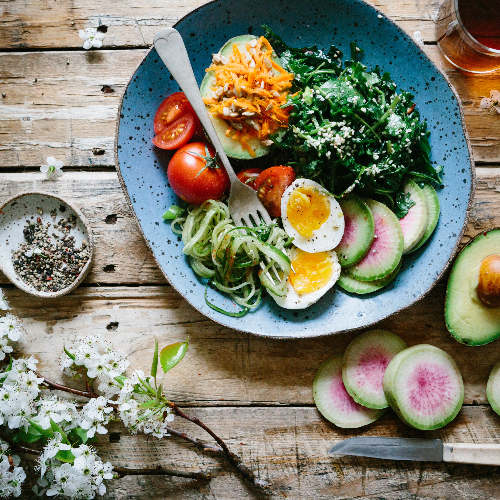
Food supplies a surprising amount of water. Fruit, vegetables, soups, yogurt, cooked grains and pasta are mostly water. EFSA assumes that food provides about 20 to 30% of total water intake, and drinks the other 70 to 80% (EFSA).
Worked example using EFSA’s figures:
- Women: 2.0 liters total × 70 to 80% from drinks = about 1.4 to 1.6 liters of drinks a day.
- Men: 2.5 liters total × 70 to 80% from drinks = about 1.75 to 2.0 liters of drinks a day.
That’s close to the NHS guide of 6 to 8 glasses, depending on the size of your glass. If you eat a lot of fruit, vegetables and soup, you may need a little less from drinks. If your diet is mostly dry foods, you may need a little more.
What counts toward your fluids?
According to the NHS, water, lower-fat milk and lower-sugar drinks, including tea and coffee, all count toward your daily intake.
- Water is the best everyday choice: no calories, no sugar and cheap.
- Tea and coffee count. Our guide to green tea covers how much caffeine is in a cup.
- Milk counts, and also provides protein and calcium.
- Fruit juice and smoothies count, but the NHS suggests keeping them to a maximum of one small glass (150 ml) a day, with a meal, because they’re high in sugar. Our guide to how much sugar per day explains why.
- Sugary soft drinks count as fluid but add a lot of sugar, so they’re best kept for occasional treats.
- Alcohol isn’t a good way to hydrate, and it’s better counted separately.
When you need more
The NHS says you may need to drink more fluids if you’re:
- pregnant or breastfeeding
- in a hot climate or a heat wave
- physically active for long periods
- ill or recovering from illness, especially with fever, vomiting or diarrhea
On hot days or during long exercise, drink regularly rather than waiting until you’re very thirsty, and remember that you also lose salt in sweat.
How to tell if you’re drinking enough
The simplest guide is the color of your urine. The NHS says to aim to drink enough during the day that your pee is a clear pale yellow color.
Other things to notice:
- Thirst: for most healthy people, drinking when thirsty works well.
- Dark yellow urine, a dry mouth, tiredness or a headache can mean you need more fluid.
- Some vitamins and foods change urine color. Some vitamin supplements can turn urine bright yellow, and beetroot can turn it pink, so color isn’t a perfect guide.
Easy ways to drink a little more
- Drink a glass of water with every meal. That’s three glasses a day without thinking about it.
- Keep a reusable bottle with you at work, in the car or in your bag.
- Make water more interesting: add slices of lemon, lime, cucumber or a few mint leaves, or try sparkling water.
- Start the day with a drink, such as a glass of water or a cup of tea.
- Eat water-rich foods: soups, salads, fruit and vegetables all help.
- Set a reminder if you tend to forget, for example every couple of hours at your desk.
Can you drink too much water?
For healthy people, drinking a little more than you need isn’t a problem, because your kidneys clear the excess. There’s no benefit in forcing down large amounts of water beyond your thirst and the guide above.
If you’ve been told to limit fluids, for example because of heart failure or advanced kidney disease, follow your doctor’s advice rather than general guidelines. The same goes if you take medicines that affect fluid balance, such as some diuretics (“water pills”).
Older adults and children
For older adults, regular drinks with meals and snacks are a good habit, especially in hot weather or during illness. Children need fluid too: offer water and milk through the day, and keep sugary drinks for occasional treats.
Common questions
Do coffee and tea dehydrate you?
No. The NHS includes tea and coffee in the drinks that count toward your daily fluid intake. Just keep an eye on the total caffeine, and on any sugar or syrups you add.
Is sparkling water as good as still water?
Yes. Plain sparkling water hydrates you just like still water. Flavored versions sometimes contain sugar or sweeteners, so check the label.
Should I drink 8 glasses of water on top of everything else?
No. The 6 to 8 glasses suggested by the NHS cover all your drinks, including tea, coffee and milk, and food provides extra water on top. You don’t need to add 8 glasses of plain water to everything else you drink.
How much water should children drink?
Children’s needs depend on their age, size and activity. Offer water and milk with meals and through the day, and give more when it’s hot or they’re active. Our guide to how much sugar per day explains why water and milk are better everyday drinks than juice or soda.
This article is general information, not medical advice. Talk to your doctor or a registered dietitian before making big changes to how you eat, especially if you have a health condition, take regular medication, or are pregnant or breastfeeding.