The healthiest cooking methods use little added fat, moderate heat and short cooking times. Steaming, poaching, baking, roasting at moderate temperatures, stir-frying with a little oil, microwaving and air-frying are all good everyday choices. Deep-frying adds the most fat and calories, and very high-heat methods such as charring meat on a grill or frying starchy foods until dark brown create compounds that are best kept to a minimum. Heterocyclic amines and polycyclic aromatic hydrocarbons form when meat is cooked at high temperatures or over an open flame, as the US National Cancer Institute explains. The method matters, but so does what you cook: plenty of vegetables, beans and whole grains make the biggest difference.
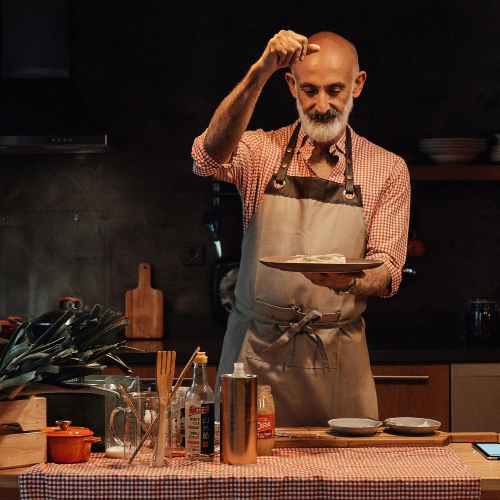
Cooking methods compared
| Method | Added fat | Nutrient retention | Best for | Watch out for |
|---|---|---|---|---|
| Steaming | None | Very good | Vegetables, fish, dumplings | Can taste plain; add herbs and lemon |
| Poaching | None | Good | Eggs, fish, chicken, fruit | Some vitamins leach into liquid |
| Boiling | None | Lower for water-soluble vitamins | Pasta, grains, potatoes, beans | Use the water in soups or sauces |
| Microwaving | None or little | Very good | Vegetables, reheating, fish | Uneven heating; stir and check it’s hot |
| Baking and roasting | Little | Good | Vegetables, chicken, fish, root vegetables | Charring at very high heat |
| Stir-frying | Little | Good | Vegetables, tofu, thin strips of meat | Too much oil or salty sauces |
| Air-frying | Little | Good | Potatoes, chicken, fish, vegetables | Browning starchy foods too dark |
| Grilling and barbecuing | Little | Good | Meat, fish, vegetables | Charring and flare-ups |
| Pan-frying | Moderate | Good | Eggs, fish, meat | Using too much oil |
| Deep-frying | High | Lower | Occasional treats | Adds a lot of fat and calories |
The gentlest methods
Steaming
Steaming keeps vegetables bright and crisp and keeps more water-soluble vitamins than boiling. In an experiment with broccoli, steaming kept more vitamin C than boiling, microwaving or stir-frying. Our guide to raw vs cooked vegetables explains more about nutrient losses.
Poaching
Poaching cooks food gently in barely simmering water, stock or milk. It’s ideal for eggs, fish and chicken breasts, which stay moist without added fat. See our guide on how to poach an egg.
Microwaving
Microwaving is fast and uses little water, so nutrient losses are often lower than with boiling. Cover the food, stir halfway, and check it’s steaming hot all the way through when reheating.
Methods that use a little fat
Roasting and baking
Roasting vegetables at 180 to 220°C (350 to 425°F) with a spoonful of oil brings out their sweetness. It’s an easy way to cook a lot at once. Aim for golden, not blackened.
Stir-frying
Quick cooking over high heat with a small amount of oil keeps vegetables crisp and colorful. Use reduced-salt soy sauce and add plenty of vegetables.
Air-frying
Air fryers circulate hot air to crisp food with very little oil. They can make healthier versions of chips, chicken and fish. The food is still cooked at high heat, so the same advice about browning applies.
High-heat cooking: what to know
Acrylamide
Acrylamide forms when starchy foods such as potatoes, bread and cereals are fried, roasted, baked or toasted at high temperatures. The UK government’s guidance on acrylamide advises cooking starchy foods to a golden yellow color or lighter. Steaming, boiling and microwaving don’t produce it.
Charred meat
Grilling or barbecuing meat over a flame, and pan-frying at very high heat, can produce HCAs and PAHs. To reduce them:
- Marinate meat before grilling.
- Turn meat often rather than leaving one side over the heat.
- Cut off charred or burnt parts.
- Avoid flare-ups by trimming fat and using a drip tray.
- Pre-cook larger pieces in the oven or microwave and finish on the grill.
- Grill more vegetables, fish and lean meat, and less processed meat.
Oils at high heat
Every oil starts to break down if heated past its smoke point. Extra virgin olive oil is fine for most home cooking, including roasting and sautéing. For very high-heat frying, rapeseed (canola), avocado or refined olive oil are good choices. Don’t reuse frying oil many times. Our guide to healthy fats compares oils.
Fat, salt and sugar while cooking
- Measure oil with a spoon rather than pouring from the bottle.
- Use non-stick pans or baking paper to cook with less fat.
- Season with herbs, spices, garlic and citrus instead of extra salt; the NHS advises adults to have no more than 6 g of salt a day.
- Go easy on sugary glazes and sauces, which add sugar and burn easily.
Choosing cookware
- Non-stick pans let you cook with very little oil. Use them over low to medium heat, don’t heat them empty, and replace them if the coating is badly scratched or flaking.
- Cast iron and carbon steel are durable, work at high heat and become naturally non-stick when seasoned with oil.
- Stainless steel is good for searing and making pan sauces.
- Steamer baskets that sit over a saucepan are cheap and make steaming easy.
- Baking paper and silicone mats reduce the need for oil when roasting.
You don’t need much equipment: a good frying pan, a saucepan with a lid, a baking tray and a steamer basket cover most healthy cooking.
Food safety while cooking
Whatever method you use, cook food thoroughly. Use a food thermometer for meat: 74°C (165°F) for poultry, 71°C (160°F) for ground meat, and 63°C (145°F) for fish and whole cuts of beef, pork and lamb. Cool leftovers quickly and reheat them until steaming hot. Our guide to batch cooking covers safe storage.
Common questions
Is air-frying healthier than deep-frying?
Yes. It uses far less oil, so the food has less fat and fewer calories. It still cooks at high heat, so avoid over-browning starchy foods.
Is grilling healthy?
Grilling uses little fat and can be a healthy method, especially for vegetables and fish. Reduce charring on meat and limit processed meat.
Does cooking destroy all the nutrients in vegetables?
No. Some vitamins are reduced, but others become easier to absorb. Eating a mix of raw and cooked vegetables is the best approach.
This article is general information, not medical advice. Talk to your doctor or a registered dietitian before making big changes to how you eat, especially if you have a health condition, take regular medication, or are pregnant or breastfeeding.



