The healthiest fats are unsaturated fats, found in olive oil, rapeseed (canola) oil, avocados, nuts, seeds and oily fish. Saturated fats, found in butter, ghee, cheese, fatty and processed meat, coconut oil, pastries and cakes, should be limited, and industrial trans fats avoided. The NHS advises that men eat no more than 30 g of saturated fat a day and women no more than 20 g, and recommends replacing some saturated fats with unsaturated ones. You don’t need to avoid fat: it provides essential fatty acids, helps you absorb vitamins A, D, E and K, and makes food satisfying. The key is choosing the right types, in sensible amounts.
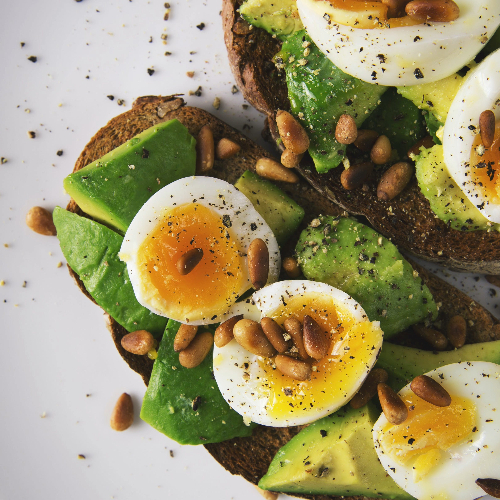
Types of fat at a glance
| Type | Main sources | Effect on health |
|---|---|---|
| Monounsaturated | Olive oil, rapeseed oil, avocados, almonds, cashews, peanuts | Helps maintain healthy cholesterol when it replaces saturated fat |
| Polyunsaturated: omega-3 | Oily fish, walnuts, flaxseed, chia, rapeseed oil | Needed for heart and brain health |
| Polyunsaturated: omega-6 | Sunflower and corn oil, seeds, nuts | Helps lower LDL cholesterol when it replaces saturated fat |
| Saturated | Butter, ghee, lard, cheese, cream, fatty and processed meat, coconut and palm oil, cakes and pastries | Raises LDL cholesterol in many people; limit |
| Industrial trans | Partially hydrogenated oils, some fried and baked goods | Raises LDL and lowers HDL; avoid |
Why the type of fat matters
Saturated fat and heart disease
Eating a lot of saturated fat raises LDL (“bad”) cholesterol in many people, which increases the risk of heart disease and stroke. A Cochrane review of 15 trials involving more than 56,000 people found that reducing saturated fat lowered the risk of combined cardiovascular events by about 17% over at least 2 years, with greater benefit when saturated fat was replaced by polyunsaturated fat rather than refined carbohydrates.
Olive oil and nuts
In the PREDIMED trial, a Mediterranean diet supplemented with extra virgin olive oil or nuts reduced major cardiovascular events by about 30% compared with a lower-fat control diet. Our Mediterranean diet guide explains how to eat this way.
Trans fats
Industrially produced trans fats raise LDL and lower HDL (“good”) cholesterol. The World Health Organization says more than 278,000 deaths each year worldwide can be attributed to industrially produced trans fat, and many countries now limit or ban it. Check labels for “partially hydrogenated” oils.
Omega-3 fats
Your body can’t make enough of the long-chain omega-3 fats EPA and DHA, so you need them from food, mainly oily fish. The NHS recommends at least 2 portions of fish a week, one of them oily. Our guide to omega-3 foods lists the best sources, including plant options.
How much fat do you need?
Fat should provide roughly a third of your daily energy, and saturated fat no more than about a tenth. In practice:
- Use small amounts of oil for cooking, about a teaspoon to a tablespoon per person per meal.
- Choose a handful of nuts, about 30 g, as a snack rather than a large bag.
- Use avocado, olive oil and seeds to add flavor, rather than butter and cream.
- Remember that fat is energy-dense: 1 g provides 9 calories, compared with 4 for protein or carbohydrate.
Easy swaps to healthier fats
- Cook with olive, rapeseed or sunflower oil instead of butter, ghee or lard.
- Spread thinly, or use a vegetable oil spread, mashed avocado or nut butter.
- Choose lean meat, trim visible fat and eat more fish, beans and lentils.
- Snack on nuts and seeds instead of crisps, cakes and biscuits.
- Use plain yogurt in place of cream in sauces and toppings.
- Choose stronger cheese and use less of it.
- Read labels: more than 5 g of saturated fat per 100 g is high, according to UK traffic-light labels.
Our guide on healthy food swaps has more ideas, and our guide to foods that lower cholesterol shows which foods help most.
Is coconut oil healthy?
Coconut oil is about 80% saturated fat, more than butter. Despite claims made for it, it raises LDL cholesterol, so it’s best used in small amounts for flavor rather than as your main cooking oil.
Are high-fat diets healthy?
It depends on the fats. A Mediterranean-style diet that’s relatively high in fat from olive oil, nuts and fish is linked with good health. High-fat diets based on butter, cream, fatty meat and processed foods are not. If you follow keto, our guide to healthy fats on keto explains how to choose wisely.
Fat on food labels
UK front-of-pack traffic-light labels help you compare foods quickly:
- Total fat: high is more than 17.5 g per 100 g; low is 3 g or less.
- Saturated fat: high is more than 5 g per 100 g; low is 1.5 g or less.
Foods marked “low fat” or “reduced fat” aren’t always healthier, because some contain more sugar or salt to make up for flavor. Compare the full label, including saturated fat, sugar and salt. Our guide on how to choose a healthy cereal shows how to read labels in practice.
Common questions
Do I need to avoid fat to lower my cholesterol?
No. Replacing saturated fats with unsaturated fats, eating more fiber, and being active help lower LDL cholesterol more than cutting all fat. Our guide to foods that lower cholesterol explains which foods help most.
Is avocado fattening?
Avocado is high in calories, mostly from monounsaturated fat, but it’s also rich in fiber and filling. Half an avocado is a sensible portion. Our article on whether avocado is keto covers its nutrition.
Are eggs high in bad fat?
Eggs contain some saturated fat, but much less than butter or cheese. For most people, eggs can be part of a healthy diet.
Which oil is best for frying?
Rapeseed (canola) and olive oils are good everyday choices, as they’re low in saturated fat and stable at normal cooking temperatures.
This article is general information, not medical advice. Talk to your doctor or a registered dietitian before making big changes to how you eat, especially if you have a health condition, take regular medication, or are pregnant or breastfeeding.


