For most adults, 1 to 2 Brazil nuts a day is a sensible amount. Brazil nuts are the richest food source of selenium: a 1-ounce (28 g) serving of 6 to 8 nuts provides about 544 mcg, according to the NIH Office of Dietary Supplements. That’s almost 10 times the adult daily need of 55 mcg, and above the safe upper limit of 400 mcg a day. A couple of nuts covers your selenium needs. A handful every day, for weeks, could give you too much.

Why Brazil nuts are so high in selenium
Selenium is a mineral your body needs in small amounts. It helps make enzymes that protect cells from damage and plays a part in thyroid hormone production and the immune system, as the NIH Office of Dietary Supplements explains.
Brazil nut trees take up selenium from the soil, and their nuts store it in large amounts. Per 100 g, Brazil nuts contain about 1,920 mcg of selenium, according to USDA FoodData Central. No other common food comes close.
How much selenium you need, and the upper limit
| Group | Recommended daily amount | Upper limit per day |
|---|---|---|
| Adults (19 and over) | 55 mcg | 400 mcg |
| Pregnancy | 60 mcg | 400 mcg |
| Breastfeeding | 70 mcg | 400 mcg |
Figures from the NIH Office of Dietary Supplements. Children have lower recommended amounts and lower upper limits, so Brazil nuts are best kept to an occasional single nut for them.
The upper limit is the highest daily intake unlikely to cause harm over the long term. It includes selenium from all sources: Brazil nuts, other foods such as fish, eggs, meat and grains, and any supplements.
How much selenium is in one Brazil nut?
On average, roughly 70 to 90 mcg, based on 544 mcg in 6 to 8 nuts. But the real figure varies a lot from nut to nut, because selenium levels in the soil vary between growing regions.
A New Zealand trial shows how much. Participants ate 2 Brazil nuts a day, expected to provide about 100 mcg of selenium. When the researchers measured the actual nuts, they averaged 53 mcg a day, with a possible range of 20 to 84 mcg. Even so, after 12 weeks, eating 2 Brazil nuts a day raised blood selenium as effectively as a 100 mcg selenium supplement.
So how many Brazil nuts a day is safe?
Here’s the arithmetic, using the average of about 78 mcg per nut (544 mcg divided by 7 nuts):
| Brazil nuts a day | Selenium (approximate) | Compared with the 400 mcg upper limit |
|---|---|---|
| 1 | 78 mcg | well under |
| 2 | 155 mcg | under |
| 3 | 233 mcg | under, before other foods |
| 4 | 311 mcg | close, once other foods are added |
| 6 to 8 (1 oz) | about 544 mcg | over |
Because your regular diet also supplies selenium, and individual nuts can be much richer than average, 1 to 2 nuts a day leaves a comfortable margin. Some people prefer to eat a few nuts two or three times a week instead. An occasional larger handful isn’t dangerous. The concern is a high intake day after day.
Signs of too much selenium
Long-term high intake can cause selenium toxicity, called selenosis. According to the NIH Office of Dietary Supplements, the first sign is often a garlic odor on the breath and a metallic taste in the mouth. Other signs include:
- Hair loss and brittle nails
- Skin rashes
- Nausea and diarrhea
- Tiredness and irritability
- Nervous system problems
If you’ve been eating a lot of Brazil nuts or taking selenium supplements and notice these symptoms, stop and talk to your doctor.
Brazil nuts and selenium supplements: don’t double up
Many multivitamins and “immune” or “thyroid” supplements contain selenium. If you take one, check the label and add it to your Brazil nut total. For most people who eat a varied diet, a separate selenium supplement isn’t needed. Talk to your doctor or pharmacist before taking one, especially if you have a thyroid condition.
Other nutrition in Brazil nuts
Per 100 g, Brazil nuts have about 659 calories, 67 g of fat (16 g of it saturated), 14 g of protein and 7.5 g of fiber, according to USDA FoodData Central. Like all nuts, they’re energy-dense, so the 1 to 2 nut habit is sensible for calories as well as selenium. Two nuts weigh about 8 to 10 g and have roughly 55 to 65 calories.
Easy ways to eat Brazil nuts
- Eat one or two as part of a mixed handful of nuts.
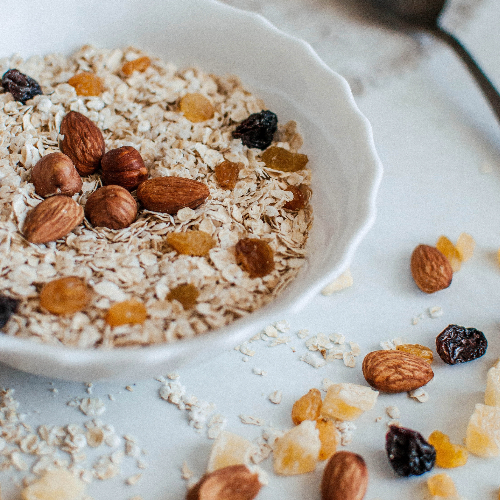
- Chop one over your morning oats or yogurt.
- Add one to a smoothie before blending.
- Keep them in a sealed container in a cool, dark place or the fridge, because their high fat content means they can go rancid.
Allergy note: Brazil nuts are tree nuts. If you have a tree nut allergy, avoid them unless an allergist has told you they’re safe.
Common questions
Are Brazil nuts good for you?
Yes, in small amounts. One or two nuts meet your daily selenium needs, and like other nuts they provide fiber, protein and healthy fats. Nuts are part of well-studied eating patterns such as the Mediterranean diet. The key with Brazil nuts is not to eat them by the handful every day.
Can Brazil nuts help my thyroid?
Your thyroid needs selenium to work normally, but more selenium isn’t better. If you have a thyroid condition, don’t use Brazil nuts or selenium supplements as a treatment. Talk to your doctor, who can check whether you need anything extra.
Are Brazil nuts safe in pregnancy?
The NIH Office of Dietary Supplements recommends 60 mcg of selenium a day during pregnancy, with the same 400 mcg upper limit as other adults. One Brazil nut a day, or a few a week, fits easily. Check any pregnancy vitamins for selenium too.
What’s the best way to fit them into a healthy diet?
Treat Brazil nuts as one part of a mixed handful of nuts and seeds, and build the rest of your meals from whole foods. Our guide to whole foods explains how.
This article is general information, not medical advice. Talk to your doctor or a registered dietitian before making big changes to how you eat, especially if you have a health condition, take regular medication, or are pregnant or breastfeeding.