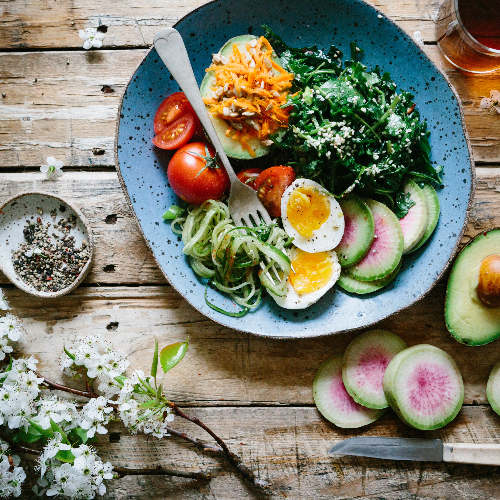
Whole foods are foods eaten in, or close to, their natural state: vegetables, fruit, beans, lentils, whole grains, nuts, seeds, eggs, fish, meat and plain milk. They may be washed, chopped, frozen, dried or cooked, but nothing much is added. The opposite end is ultra-processed food, such as soft drinks, packaged snacks and instant noodles. In a carefully controlled US trial, people ate about 500 more calories a day on an ultra-processed diet than on an unprocessed one, so eating more whole foods is a practical place to start.

Whole, processed or ultra-processed? The NOVA system
Not all processing is bad. Freezing peas or canning tomatoes keeps food safe and makes it cheaper and easier to use. To make sense of the differences, many researchers use the NOVA classification, described in a 2019 report for the Food and Agriculture Organization of the United Nations. It sorts foods into four groups:
| NOVA group | What it means | Examples |
|---|---|---|
| 1. Unprocessed or minimally processed | Natural foods, possibly cleaned, dried, frozen, pasteurized or ground, with nothing added | Fresh and frozen vegetables and fruit, plain oats, rice, dried beans, eggs, fresh meat and fish, plain milk and yogurt, unsalted nuts |
| 2. Processed culinary ingredients | Ingredients taken from foods and used in cooking | Olive oil, butter, sugar, salt, honey |
| 3. Processed foods | Group 1 foods with group 2 ingredients added | Canned vegetables or beans with salt, cheese, freshly made bread, salted nuts, canned fish |
| 4. Ultra-processed foods | Industrial products made mostly from extracted substances and additives | Soft drinks, packaged snacks, sweetened breakfast cereals, instant noodles, reconstituted meat products such as nuggets and hot dogs |
“Whole foods” lines up roughly with group 1, cooked at home with group 2 ingredients.
What the research shows
The clearest evidence comes from a 2019 study at the US National Institutes of Health. Twenty adults lived at a clinical center for four weeks. For two weeks they ate an ultra-processed diet, and for two weeks an unprocessed diet. The meals offered were matched for calories, sugar, fat, fiber and salt, and people could eat as much or as little as they wanted.
On the ultra-processed diet, people ate about 508 more calories a day and gained about 0.9 kg (2 lb). On the unprocessed diet, they lost about the same amount. It was a small study over a short period, but because it was so tightly controlled, it’s strong evidence that ultra-processed food makes it easy to overeat.
Observational research points the same way. A 2024 umbrella review in the BMJ, covering 45 pooled analyses and almost 10 million people, found higher ultra-processed food intake linked with 32 health problems, including deaths from heart disease, type 2 diabetes and anxiety. Studies like these can’t prove cause and effect, but together with the trial above, they make a reasonable case for eating mostly whole and minimally processed foods.
Why whole foods tend to be better for you
- More fiber: whole grains, beans, vegetables and fruit keep their fiber, which refined and ultra-processed foods often lose.
- Easier to keep sugar and salt in check: the World Health Organization recommends limiting free sugars to less than 10% of energy and salt to less than 5 g a day. When you cook from whole ingredients, you decide how much goes in.
- Harder to overeat: in the NIH study above, people ate about 500 fewer calories a day on unprocessed food without being told to cut back.
Processed doesn’t always mean unhealthy
Some processed foods are good choices:
- Frozen vegetables and fruit count as minimally processed in the NOVA system, and they’re a cheap, convenient way to eat more produce.
- Canned beans, lentils and chickpeas save hours of soaking and cooking. Rinse them to remove some of the salt.
- Canned fish such as sardines and salmon is an affordable source of protein and omega-3 fats.
- Plain yogurt, cheese and whole grain bread are processed but fit well in a balanced diet.
The aim isn’t to avoid every packet. It’s to make whole and minimally processed foods the base of most meals.
How to eat more whole foods: 8 easy swaps
| Instead of | Try |
|---|---|
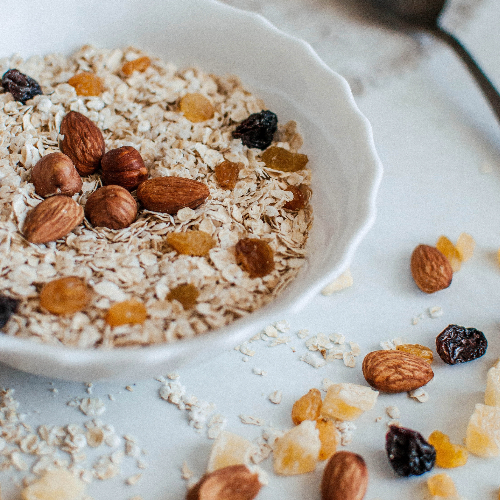
| Sweetened breakfast cereal | Plain oats with fruit and nuts |
| Soft drinks | Water, sparkling water with lemon, or plain tea |
| Packaged snack bars | A piece of fruit and a small handful of nuts |
| Instant noodles | Whole wheat pasta or rice with frozen vegetables and an egg |
| Chicken nuggets | Chicken thighs roasted with olive oil and herbs |
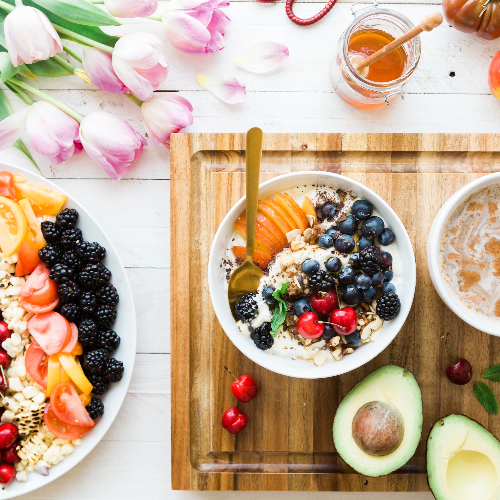
| Flavored yogurt | Plain yogurt with berries |
| White bread | Whole grain or sourdough bread |
| Store-bought creamy dips | Homemade hummus with vegetable sticks |
Our guide to whether hummus is healthy includes a 10-minute homemade version.
How to spot ultra-processed food
Read the ingredients list, not just the nutrition panel. Signs that a food is ultra-processed include:
- A long list of ingredients
- Ingredients you wouldn’t find in a home kitchen, such as hydrolyzed proteins, modified starches, invert sugar, and flavor enhancers
- Several added sugars under different names
- Claims such as “fortified” or “low fat” on a product that’s otherwise a snack or sweet
A short list of recognizable ingredients is usually a good sign.
A whole-food day: an example
- Breakfast: porridge oats made with milk, topped with a banana and walnuts.
- Lunch: lentil soup with whole grain bread and an apple.
- Snack: carrot sticks and hummus.
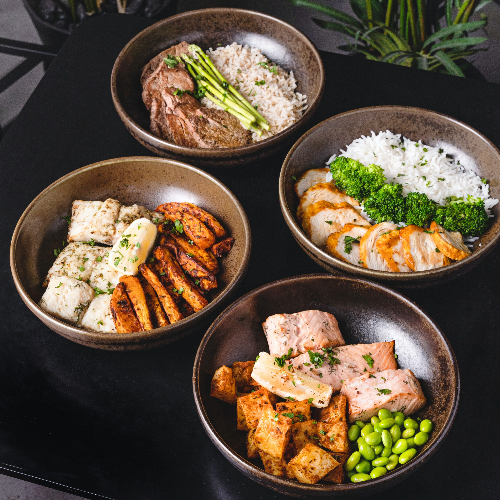
- Dinner: baked salmon, roasted potatoes and broccoli with olive oil and lemon. Or our chickpea curry with brown rice.
Nothing on that list is expensive or hard to find. Eating more whole foods is mostly about cooking simple meals more often.
Getting started
You don’t have to change everything at once. Pick one meal a day, often breakfast or lunch, and build it from whole foods for two weeks. Then pick another. The Mediterranean diet is a well-studied example of a whole-food eating pattern if you’d like a ready-made framework.
This article is general information, not medical advice. Talk to your doctor or a registered dietitian before making big changes to how you eat, especially if you have a health condition, take regular medication, or are pregnant or breastfeeding.