Sushi can be a healthy meal, especially sashimi, nigiri and simple rolls made with fish, vegetables and avocado. Salmon provides omega-3 fats and protein, and seaweed and vegetables add a little fiber. The less healthy parts are the large amount of white rice, the salt in soy sauce (about 880 mg of sodium in a tablespoon, according to USDA FoodData Central), and rolls made with tempura, cream cheese or mayonnaise sauces. Raw fish also isn’t recommended for everyone: the NHS advises avoiding sushi made with raw fish in pregnancy.
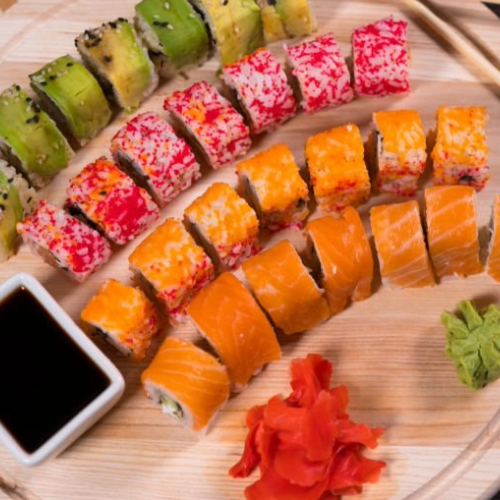
What’s in a typical sushi roll?
A salmon and avocado roll of about 8 pieces, made with 150 g of seasoned sushi rice, 60 g of raw salmon, a little avocado and a sheet of nori, has roughly the following, calculated from USDA FoodData Central values:
| Nutrient | Salmon avocado roll (8 pieces) | Plus 1 tablespoon soy sauce |
|---|---|---|
| Calories | 390 kcal | 397 kcal |
| Protein | 17 g | 18 g |
| Carbohydrate | 51 g | 52 g |
| Fiber | 2 g | 2 g |
| Fat | 13 g | 13 g |
| Sodium | 430 mg | 1,305 mg |
Restaurant portions vary a lot. A large roll with extra rice, sauces and tempura can easily double the calories.
The healthy side of sushi
Omega-3 from oily fish
Salmon is rich in the omega-3 fats EPA and DHA. The 60 g of raw farmed salmon in the roll above provides about 1.2 g, based on USDA data. Mackerel, salmon roe and eel are other oily options. Tuna is a lean fish with much less omega-3. Our guide to omega-3 foods explains why they matter.
Lean protein
Fish, shellfish, egg and tofu provide good-quality protein with little saturated fat.
Vegetables and seaweed
Cucumber, avocado, carrot, pickled radish and seaweed add some fiber, vitamins and minerals, though the amounts in most rolls are small.
The less healthy side
Lots of white rice
Sushi rice is white rice seasoned with vinegar, sugar and salt. A single roll can contain about as much rice as a large bowl, which adds up when you order several. Our guide to the glycemic index explains why white rice raises blood sugar faster than whole grains. Some restaurants offer brown rice or “rice-light” options.
Salt
Soy sauce, seasoned rice, pickled ginger and miso soup all add salt. A tablespoon of soy sauce alone has about 880 mg of sodium, over 2 g of salt, which is over 40% of the 5 g daily limit the WHO recommends. Use reduced-salt soy sauce and dip lightly.
Sauces and fried fillings
Tempura (battered and fried) fillings, spicy mayonnaise, cream cheese and sweet eel sauce add fat, sugar and calories. They’re fine sometimes, but they turn a light meal into a heavy one.
Mercury: choose your fish
Some fish used in sushi, especially larger predatory fish, are higher in mercury. The FDA’s advice about eating fish lists king mackerel, marlin, shark, swordfish and bigeye tuna among the choices to avoid, especially for people who are pregnant or breastfeeding and for children. Salmon, shrimp and crab are on the FDA’s lower-mercury “best choices” list. If you eat tuna sushi often, mix it with lower-mercury choices.
Raw fish safety
Raw fish and shellfish can carry bacteria and parasites. Restaurants serving sushi should buy fish handled and stored for raw use, but some groups are better off choosing cooked sushi:
- Pregnant women: the NHS advises avoiding sushi made with raw fish (even if it has been previously frozen) or raw shellfish, while sushi made with cooked fish or cooked shellfish is fine. Our guide to foods to avoid during pregnancy has more.
- Young children, older adults and people with weakened immune systems are more vulnerable to food poisoning, so cooked or vegetarian sushi is the safer choice.
- Supermarket sushi should be kept chilled and eaten before its use-by date.
Cooked options include shrimp (ebi), eel, crab, tamago (sweet omelette), and vegetarian rolls such as cucumber, avocado and pickled radish.
How to order healthier sushi
- Choose sashimi or nigiri for more fish and less rice.
- Pick simple rolls with fish, avocado and vegetables.
- Start with miso soup or edamame, which help fill you up.
- Add a seaweed or cucumber salad.
- Use reduced-salt soy sauce and dip the fish side, not the rice.
- Limit tempura, cream cheese and mayonnaise rolls.
- Go easy on pickled ginger if you’re watching sugar and salt.
Making sushi at home
Homemade sushi lets you control the rice, salt and fillings. Our cucumber and avocado sushi recipe is an easy vegetarian start, with no raw fish needed.
Is sushi good for weight loss?
It can be, if you choose sashimi, nigiri and simple rolls and keep portions moderate. Three rolls like the salmon and avocado roll above add up to about 1,200 calories, and specialty rolls with tempura and sauces contain more.
Common questions
Is sushi healthier than other takeaways?
Usually, if you choose simple options. It’s often lower in saturated fat than fried takeaways, but it can be just as salty. Our guide to healthier takeout compares cuisines.
Is supermarket sushi healthy?
It can be a convenient lunch, but check the label for salt and choose rolls with fish or vegetables over ones with mayonnaise.
Is wasabi good for you?
Real wasabi is a plant related to horseradish, but most wasabi paste is mainly horseradish, mustard and coloring. It’s used in such small amounts that it doesn’t add much nutritionally.
Is brown rice sushi healthier?
Brown rice adds fiber and has a gentler effect on blood sugar than white sushi rice. The difference per roll is modest, but it’s a good option if it’s available.
How long does sushi keep?
Eat sushi on the day you buy or make it, and keep it in the fridge until then. Cooked rice needs care: Food Standards Scotland advises eating cooked rice within 24 hours and keeping it chilled. Check the use-by date on supermarket sushi.
This article is general information, not medical advice. Talk to your doctor or a registered dietitian before making big changes to how you eat, especially if you have a health condition, take regular medication, or are pregnant or breastfeeding.



