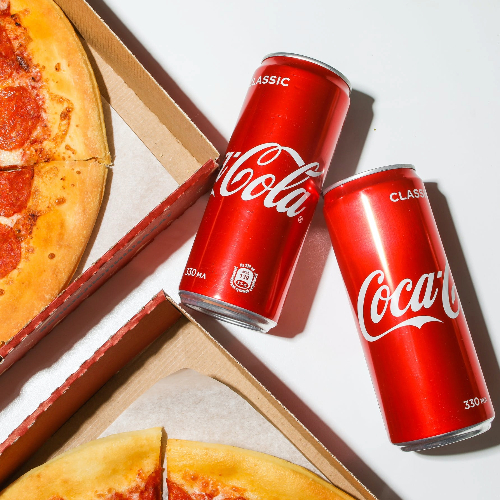
A regular 12 oz (355 ml) can of cola contains about 37 g of sugar, roughly 9 teaspoons, based on USDA FoodData Central values. Lemon-lime soda and root beer have slightly more, about 38 to 39 g, and ginger ale and tonic water about 32 to 33 g. That single can is more than the 30 g of free sugars the NHS recommends as a daily maximum for adults, and about one and a half times the 25 g the World Health Organization suggests as an ideal limit.
Sugar in popular soft drinks
Calculated from USDA FoodData Central values. Brands and recipes vary, so check the label of the drink you buy.
| Drink | Serving | Sugar | Teaspoons | Calories |
|---|---|---|---|---|
| Cola | 12 oz can (355 ml) | 37 g | about 9 | 155 kcal |
| Lemon-lime soda | 12 oz can (355 ml) | 38 g | about 9½ | 151 kcal |
| Root beer | 12 oz can (355 ml) | 39 g | about 10 | 152 kcal |
| Ginger ale | 12 oz can (355 ml) | 33 g | about 8 | 124 kcal |
| Tonic water | 12 oz can (355 ml) | 32 g | about 8 | 124 kcal |
| Energy drink (citrus) | 250 ml can | 27 g | about 7 | 117 kcal |
| Sweetened bottled green tea | 500 ml bottle | 27 g | about 7 | 135 kcal |
| Cola, small fast food cup | 16 oz (about 490 ml) | 49 g | about 12 | 207 kcal |
Teaspoons are based on 4 g of sugar per level teaspoon. A standard 330 ml can, common in Europe and the UK, holds about 34 g of sugar in a regular cola. Larger fast food cups can contain more than 100 g.
Tonic water surprises many people: it tastes bitter, but a can has nearly as much sugar as cola.
How that compares with daily limits
| Guideline | Daily limit for free or added sugars | Cans of cola to reach it |
|---|---|---|
| WHO, ideal | Under 5% of energy, about 25 g | Less than one |
| NHS, adults | 30 g | Less than one |
| WHO, upper limit | Under 10% of energy, about 50 g | About one and a third |
| American Heart Association, women | 25 g | Less than one |
| American Heart Association, men | About 37.5 g | About one |
| NHS, children aged 7 to 10 | 24 g | Less than one |
| NHS, children aged 4 to 6 | 19 g | About half |
Sources: the WHO sugars guideline, the NHS and the American Heart Association. The sugar in soda counts in full toward these limits, because it’s added sugar. Our guide to how much sugar per day explains free and added sugars in more detail.
Why sugary drinks are a particular problem
Liquid calories don’t fill you up
A can of cola has about 155 calories, but a drink doesn’t fill you up the way a snack with the same calories does. That makes sugary drinks an easy way to take in extra energy without noticing, and a regular habit can add up to weight gain over time.
Type 2 diabetes risk
In a 2010 meta-analysis in Diabetes Care covering more than 310,000 people, those who drank the most sugar-sweetened drinks, usually 1 to 2 servings a day, had a 26% higher risk of developing type 2 diabetes than those who rarely drank them. These were observational studies, but the link held after accounting for other factors, and it’s one reason health bodies single out sugary drinks.
Tooth decay and erosion
Sugar is a leading cause of tooth decay, which the WHO describes as one of the most common health conditions in the world. Soft drinks are also acidic. The Oral Health Foundation explains that each acidic drink softens tooth enamel for a while, and frequent sipping keeps it soft for longer, causing erosion. Diet sodas are acidic too, so they can still erode teeth even though they don’t cause decay.
What about diet and zero-sugar sodas?
Diet sodas contain little or no sugar and few calories, so swapping a daily regular soda for a diet one cuts out around 35 to 40 g of sugar. That’s a real improvement for teeth and blood sugar.
They aren’t a perfect answer, though. In 2023 the WHO advised against using non-sugar sweeteners to control weight, because the evidence shows no long-term benefit for body fat. Many people find diet drinks a useful step away from sugary ones, then move on to water, sparkling water or unsweetened tea.
Sugar taxes and changing recipes
Several countries now tax sugary drinks. The UK’s Soft Drinks Industry Levy, for example, charges manufacturers more for drinks with 5 g or more of sugar per 100 ml, and a higher rate at 8 g or more. Many brands have cut sugar to avoid it, so the same drink can have different amounts of sugar in different countries. That’s another reason to read the label where you live.
How to read a drink label
- Look at “sugars” per 100 ml to compare drinks. Regular cola has about 10 g per 100 ml.
- Check the serving size. A bottle may count as 2 servings on the label.
- Watch for other names for sugar: high-fructose corn syrup, glucose syrup, cane sugar, dextrose, honey and fruit juice concentrate.
- Don’t assume “natural” means low in sugar. Fruit juices, smoothies, sweetened iced teas and many sports drinks are also high in sugar. The NHS suggests no more than 150 ml of fruit juice or smoothie a day.
Easy ways to cut back
- Swap one sugary drink a day for water, sparkling water or a zero-sugar drink.
- Downsize. Choose a small can or bottle instead of a large cup.
- Flavor water with lemon, lime, cucumber, mint or frozen berries.
- Try sparkling water with a splash of juice, about one part juice to four parts water.
- Keep sugary drinks for meals, rather than sipping them through the day, which is harder on teeth.
- Skip the free refill at restaurants. Takeout meals with soda add up fast: our guide to healthier takeout has more tips.
Common questions
Is one can of soda a day bad for you?
One can provides more sugar than the NHS daily limit for adults, so it leaves no room for sugar from other foods. It’s fine as an occasional drink, but as a daily habit it’s worth swapping for a lower-sugar option.
Does soda count toward my fluid intake?
It does contain water, but the sugar makes it a poor choice for hydration. Water, milk, tea and coffee are better everyday drinks. Our guide to how much water to drink explains more.
Should children drink soda?
It’s best kept as an occasional treat. A single can contains more sugar than the NHS daily limit for children aged 4 to 10.
This article is general information, not medical advice. Talk to your doctor or a registered dietitian before making big changes to how you eat, especially if you have a health condition, take regular medication, or are pregnant or breastfeeding.