Most weight loss supplements don’t work, and some are dangerous. The US National Center for Complementary and Integrative Health (NCCIH) says most supplements marketed for rapid weight loss don’t help keep weight off in the long term, that many sold as “fat burners” or appetite suppressants haven’t been tested for safety, and that some contain ingredients different from the label. The FDA warns that many weight loss pills, supplements and teas are contaminated with hidden drug ingredients. Prescription weight loss medicines are a different matter: they’re tested, regulated and prescribed by a doctor.
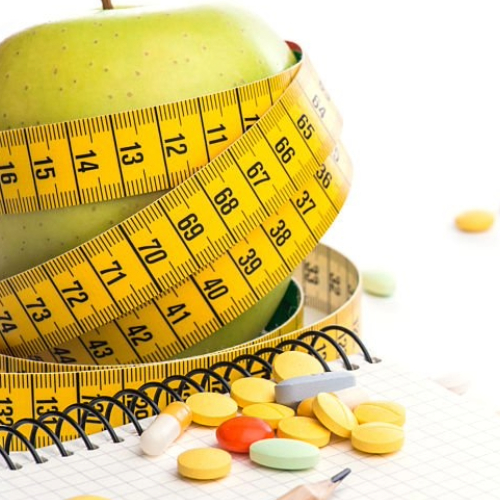
Why weight loss supplements are risky
They’re not tested like medicines
Dietary supplements don’t need to prove they work or are safe before they’re sold in many countries, including the US. The NCCIH notes that analyses of supplements, including herbal products, sometimes find differences between what’s on the label and what’s in the product.
Hidden drugs
The FDA describes contaminated weight loss products as a type of medication health fraud, often sold online and in stores, sometimes falsely advertised as dietary supplements or “all-natural.” The FDA says these products pose a serious health risk, and its public warnings have included products containing undeclared prescription drug ingredients.
Stimulants
The NCCIH explains that the US banned ephedra in supplements because of serious risks, including heart problems and death. Many “ephedra-free” products now contain other ingredients with similar side effects, or high doses of caffeine or caffeine-containing herbs such as guarana. Side effects can include a racing heart, raised blood pressure, anxiety and sleep problems.
Common ingredients and what’s known
| Ingredient | Claim | What’s known |
|---|---|---|
| Green tea extract | Burns more energy | Brewed green tea is safe, but the NCCIH says its effect on weight is modest and that concentrated extracts have been linked with liver damage |
| Acai, hoodia | Appetite control | The NCCIH says supplements like these don’t work for keeping weight off long term |
| Garcinia, raspberry ketones, “keto pills” | Weight loss | No good evidence of lasting weight loss in people |
| Bitter orange (synephrine) | Weight loss, more energy | A stimulant related to ephedrine; the NCCIH says most human studies were small or combined it with other ingredients |
| Caffeine and guarana | Raises energy use | Many “ephedra-free” products contain a lot of caffeine; high doses can cause a racing heart, anxiety and poor sleep |
| Laxative and “detox” teas | Quick weight loss | Cause water loss, not fat loss; can upset electrolytes with regular use |
Why some people say they work
Reviews and testimonials can be convincing, but there are simple reasons a product might seem to work when it doesn’t:
- People change their habits at the same time. Most labels say to use the product “with a calorie-controlled diet and exercise,” which is what causes the weight loss.
- Water loss. Laxatives, diuretics and very low-carb plans lower weight quickly through water, which returns.
- Natural ups and downs. Body weight can change by up to a kilo or so from day to day.
- Fake or paid reviews. Many testimonials and “before and after” photos used in advertising aren’t genuine.
- Hidden drugs. Some products work only because they contain undeclared medicines, which is exactly what makes them dangerous.
Warning signs of a risky product
Be very wary of products that:
- Promise fast, dramatic or “effortless” weight loss
- Claim to work without changing your diet or activity
- Use celebrity endorsements, “before and after” photos or fake news-style websites
- Are sold mainly online with “free” offers that turn into subscriptions
- Claim to be natural alternatives to prescription weight loss drugs
- Are marketed for a “cleanse” or “detox”
What actually helps with weight
There’s no shortcut, but these approaches have good evidence:
- A modest, sustainable reduction in calories, through smaller portions and fewer sugary drinks and ultra-processed foods. Our guide on how many calories you need explains how to estimate yours.
- Meals built on vegetables, protein, whole grains and fiber, which keep you full. Our guide to building a balanced meal shows how.
- Regular physical activity, which helps keep weight off and improves health at any size.
- Better sleep and stress management.
- Support, such as weight management programs, a dietitian or your doctor.
The NCCIH also notes emerging evidence that mind and body approaches, particularly mindful eating, may help alongside other weight loss methods. Our guide to mindful eating explains how to start.
Prescription weight loss medicines
For some people, especially those with a high BMI and related health conditions, doctors may prescribe weight loss medicines alongside diet and activity. The NHS explains how obesity is assessed and treated. These medicines have been through clinical trials and are prescribed and monitored by a health professional. Never buy prescription weight loss drugs from unregulated websites or social media sellers: counterfeit and contaminated versions are a real risk.
A note on dieting and wellbeing
If weight loss products are part of a cycle of dieting, restricting or bingeing, or you feel anxious about food or your body, talk to your doctor. An eating disorder is serious but treatable, and if you need someone to talk to now, findahelpline.com lists free helplines in many countries.
Common questions
Are any weight loss supplements safe?
Some, such as fiber supplements, are generally safe but have small effects. No supplement replaces changes to diet and activity. Ask a pharmacist or doctor before taking any, especially if you take regular medicines.
Do fat burners work?
There’s no good evidence that they lead to lasting weight loss, and many contain stimulants that can be harmful, especially for people with heart conditions or high blood pressure.
Can I take supplements with prescription weight loss medicines?
Ask the doctor or pharmacist who prescribed your medicine first. Stimulant supplements in particular can add to side effects such as a fast heart rate, and laxative teas can make dehydration worse if your medicine already causes nausea or diarrhea.
Should I report a bad reaction?
Yes. Stop taking the product, seek medical advice, and report it to your country’s medicines regulator, such as the FDA’s MedWatch in the US or the Yellow Card scheme in the UK.
This article is general information, not medical advice. Talk to your doctor or a registered dietitian before making big changes to how you eat, especially if you have a health condition, take regular medication, or are pregnant or breastfeeding.