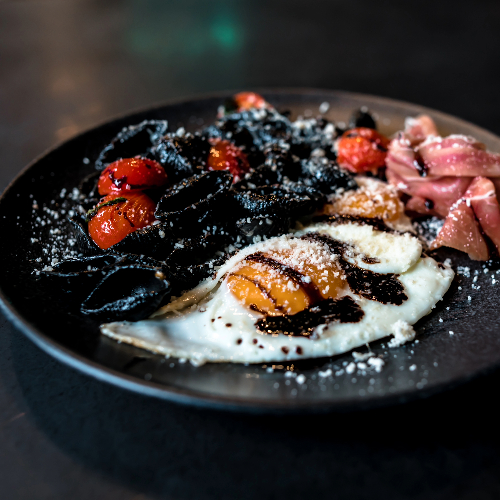
To build a balanced meal, fill about half your plate with vegetables and fruit, a quarter with a protein food such as fish, chicken, eggs, beans or tofu, and a quarter with whole grains or starchy foods such as brown rice, whole wheat pasta or potatoes, then add a little healthy fat such as olive oil. This plate model is the idea behind Harvard’s Healthy Eating Plate and similar to the UK’s Eatwell Guide. It works for most meals and cuisines without counting anything.

The balanced plate
| Part of the plate | How much | Examples |
|---|---|---|
| Vegetables and fruit | About half | Salad, roasted or steamed vegetables, a side of fruit |
| Protein foods | About a quarter | Fish, chicken, eggs, beans, lentils, tofu, lean meat |
| Whole grains or starchy foods | About a quarter | Brown rice, whole wheat pasta, potatoes with skins, whole grain bread, oats |
| Healthy fats | A little | Olive or rapeseed oil, nuts, seeds, avocado |
| Drink | With the meal | Water, unsweetened tea or coffee, milk |
Based on Harvard’s Healthy Eating Plate and the NHS Eatwell Guide.
Why each part matters
Vegetables and fruit: half the plate
Vegetables and fruit provide fiber, vitamins and minerals for relatively few calories. The World Health Organization recommends at least 400 g of fruit and vegetables a day for everyone over 10. Making them half of your plate at lunch and dinner gets you most of the way there. Potatoes count as a starchy food rather than a vegetable in this model.
Protein: a quarter
Protein foods help you feel full and provide nutrients such as iron, zinc and vitamin B12. Mix animal and plant proteins: the NHS recommends at least 2 portions of fish a week, including 1 oily, and beans and lentils are cheap sources of protein and fiber.
Whole grains and starchy foods: a quarter
Starchy foods provide energy. Choosing whole grain versions adds fiber. Our guide to the glycemic index explains why whole grains and legumes tend to have a gentler effect on blood sugar than refined ones.
Healthy fats: a little
Use olive or rapeseed oil for cooking and dressings, and add nuts, seeds or avocado. The NHS explains that replacing saturated fats with some unsaturated fats can help lower cholesterol.
Balanced plates in practice
| Meal | Vegetables (½) | Protein (¼) | Grains or starch (¼) |
|---|---|---|---|
| Salmon dinner | Green beans and a side salad | Baked salmon | New potatoes |
| Chicken stir-fry | Peppers, broccoli, cabbage, carrots | Chicken or tofu | Brown rice |
| Curry night | Spinach, tomatoes, cauliflower | Chickpeas or lentils | Basmati rice |
| Pasta | Tomato sauce with zucchini and mushrooms, side salad | Lean meat or beans | Whole wheat pasta |
| Breakfast | Fruit or tomatoes and spinach | Eggs or Greek yogurt | Whole grain toast or oats |
Our chickpea curry and baked salmon with tomatoes fit the plate model well.
What about mixed dishes?
Soups, stews, curries, pasta bakes and casseroles don’t sit neatly in sections. Ask yourself whether the dish as a whole contains plenty of vegetables, a protein and a moderate amount of starch. If it’s light on vegetables, add a side salad or steamed greens.
Portion sizes without measuring
| Food | Rough portion |
|---|---|
| Meat, fish or tofu | About the size and thickness of your palm |
| Cooked rice or pasta | About the size of your fist |
| Cheese | About the size of two thumbs |
| Nuts | A small handful |
| Oil or butter | About the tip of your thumb |
| Vegetables | As much as you like, aiming for half the plate |
These are rough guides that scale with your hand size. Active people and teenagers may need more; smaller or less active adults may need less.
Balanced eating on special diets
- Vegetarian or vegan: use beans, lentils, tofu, tempeh, eggs or dairy for the protein quarter. Our vegan guide covers the nutrients to plan for.
- Lower carb or keto: fill the grain quarter with extra vegetables and a little more protein and healthy fat. Our keto food list has ideas.
- Diabetes: the plate model is a good starting point, but portions of starchy foods matter. Talk to your diabetes team or a dietitian.
Common mistakes
- Too much starch, such as a large plate of pasta with a small amount of sauce.
- Too few vegetables, especially at lunch.
- Forgetting protein at breakfast.
- Sugary drinks with meals, which add sugar without making you full.
- Lots of added fat: creamy sauces, extra butter and cheese.
Building a balanced breakfast, lunch and dinner
- Breakfast: whole grain toast (starch), eggs or yogurt (protein), and tomatoes, spinach or fruit (vegetables and fruit). Our high-protein breakfast ideas follow this pattern.
- Lunch: a whole grain wrap or bowl with chicken, beans or tofu, and plenty of salad or roasted vegetables.
- Dinner: fish, meat or legumes with vegetables filling half the plate, and a moderate portion of rice, pasta or potatoes.
Snacks and the balanced plate
Snacks can fill gaps in your day. A piece of fruit adds to your fruit and vegetable total, and a yogurt or handful of nuts adds protein. Our guide to healthy snack ideas has options with calories, protein and fiber listed.
Common questions
Do I need to eat a balanced plate at every meal?
No. Balance across the day and week matters more than any single meal. Use the plate as a guide, not a rule.
How do I make takeaways more balanced?
Choose dishes with vegetables, add a side salad or vegetable dish, and keep the rice, chips or bread to a quarter of the plate. Our guide to healthier takeout has more tips.
Does the plate model work for children?
Yes, with smaller portions. The NHS says the Eatwell Guide doesn’t apply to children under 2, who have different needs, and that children aged 2 to 5 should gradually move to eating the same foods as the rest of the family in the proportions shown.
Is the plate model the same as MyPlate?
They’re similar. Both divide a plate into vegetables, fruit, grains and protein. Harvard’s Healthy Eating Plate was designed to address gaps in the USDA’s MyPlate, so it adds guidance on whole grains, healthy oils and water.
This article is general information, not medical advice. Talk to your doctor or a registered dietitian before making big changes to how you eat, especially if you have a health condition, take regular medication, or are pregnant or breastfeeding.