This healthy guacamole is a simple, fresh dip of mashed ripe avocado with lime juice, red onion, tomato, cilantro, jalapeño and a pinch of salt. It takes 10 minutes, needs no cooking, and each serving of about 110 g has around 130 calories and more than 5 g of fiber, with most of the fat coming from avocado’s heart-healthy monounsaturated fat. Homemade guacamole is usually lower in salt and free of the stabilizers and fillers found in some shop-bought dips. Serve it with vegetable sticks, whole grain crackers or baked tortilla chips, spoon it over eggs and grilled fish, or use it in place of mayonnaise in sandwiches and wraps.
- Serves: 6 (makes about 650 g)
- Prep time: 10 minutes
- Cook time: none
- Total time: 10 minutes
Ingredients
- 3 ripe avocados (about 450 g of flesh)
- 2 tablespoons lime juice (1 to 2 limes)
- ¼ red onion (about 40 g), very finely chopped
- 1 medium tomato (about 100 g), deseeded and diced
- A small handful of cilantro (coriander), chopped
- 1 small jalapeño or green chili, deseeded and finely chopped
- ¼ teaspoon salt
- A pinch of ground cumin (optional)
Method
- Prepare the onion. Put the chopped onion in a bowl with the lime juice and salt and leave it for 5 minutes. This softens its sharpness.
- Halve the avocados. Cut around each avocado lengthways, twist the halves apart, and remove the stone carefully with a spoon. Scoop the flesh into the bowl.
- Mash. Mash with a fork or potato masher, leaving some chunks if you like a textured guacamole.
- Add the rest. Stir in the tomato, cilantro, jalapeño and cumin.
- Taste. Add more lime, salt or chili to your taste.
- Serve straight away, or cover tightly and chill for up to a few hours.
How to pick a ripe avocado
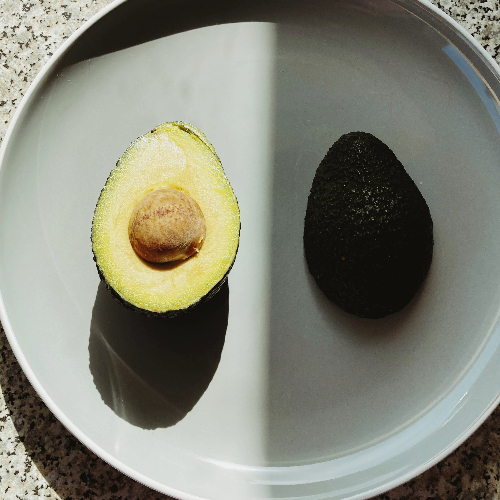
A ripe avocado yields slightly when pressed gently near the stem. Hass avocados turn from green to dark purple-black as they ripen. If yours are firm, leave them at room temperature in a paper bag with a banana or apple for a day or two. Once ripe, keep them in the fridge for a few days. Our guide to whether avocado is keto covers its nutrition in detail.
Tips
- Use ripe but not mushy avocados. Overripe avocados taste bitter and turn grey.
- Don’t skip the lime. It adds flavor and slows browning.
- Wash the avocado skin before cutting, as a knife can carry bacteria from the skin into the flesh.
- Use a spoon to remove the stone. Hitting it with a knife is a common cause of hand injuries.
- Season boldly. Avocado needs acid and salt to taste its best.
Swaps and variations
- Mild: leave out the jalapeño for children.
- Extra veg: stir in finely diced cucumber, sweetcorn or roasted red pepper.
- Creamy and lighter: replace one avocado with 100 g of Greek yogurt or blended white beans.
- Fruity: add diced mango or pomegranate seeds.
- Smoky: add a pinch of smoked paprika or chipotle.
- Garlic: add a small crushed garlic clove.
Nutrition per serving (estimate)
One serving is about 110 g, a sixth of the recipe. These figures were calculated from USDA FoodData Central values for avocado, lime juice, red onion, tomato, cilantro, jalapeño and salt.
| Nutrient | Per serving |
|---|---|
| Calories | 130 kcal |
| Protein | 2 g |
| Carbohydrate | 8.5 g |
| Fiber | 5.5 g |
| Sugars | 1.5 g |
| Fat | 11 g |
| Saturated fat | 1.5 g |
| Sodium | 105 mg |
Avocado is rich in monounsaturated fat, fiber and potassium. Replacing saturated fats with unsaturated ones helps keep LDL cholesterol in check, as the NHS explains. Guacamole is calorie-dense, though, so a few tablespoons is a sensible portion if you’re watching calories. What you dip in it matters as much as the guacamole: vegetable sticks add almost nothing, while a big bowl of salted tortilla chips can add several hundred calories and plenty of salt. Our guide to healthy fats explains the benefits of unsaturated fats.
Contains: no common allergens. Some people with latex allergy react to avocado.
How to stop guacamole going brown
Avocado browns when exposed to air. To slow it:
- Press plastic wrap onto the surface, so there’s no air gap.
- Add a thin layer of lime juice or water on top, and pour it off before serving.
- Store in the smallest container that fits.
Browning is harmless, and you can stir or scrape off the top layer. Guacamole keeps for about 1 to 2 days in the fridge. It doesn’t freeze well with the tomato and onion, though plain mashed avocado with lime can be frozen.
Ways to use guacamole
- Dip with carrots, peppers, cucumber, radishes and celery.
- Toast: on whole grain toast with a poached egg. Our avocado toast has ideas.
- Tacos and bowls: with our chicken tacos or a burrito bowl.
- Topping: on grilled fish, chicken, burgers or baked sweet potatoes.
- Sandwiches: instead of butter or mayonnaise.
Common questions
Is guacamole healthy?
Yes. It’s made from whole foods and is rich in fiber and healthy fats. Portion size and the dippers you choose make the difference.
Is guacamole keto?
Yes. Each serving has about 3 g of net carbs. Our guide to keto Mexican food has more ideas.
Can I make guacamole ahead?
Up to a few hours ahead, covered tightly. It’s best made fresh.
This article is general information, not medical advice. Nutrition figures are estimates from USDA FoodData Central and will change with the brands and amounts you use. If you follow a diet for a medical reason, check the recipe with your doctor or dietitian.