Yes, bell peppers are very good for you. They’re one of the richest sources of vitamin C you can eat: 100 g of raw red pepper provides 128 mg, more than three times the UK daily requirement and more than an orange. Red and yellow peppers also provide beta carotene, which the body turns into vitamin A, plus fiber, folate and vitamin B6, all for about 20 to 27 calories per 100 g. Green peppers are simply unripe peppers, so they’re slightly lower in vitamin C and much lower in beta carotene, but still a healthy choice. Peppers are tasty raw or cooked and easy to add to almost any meal.
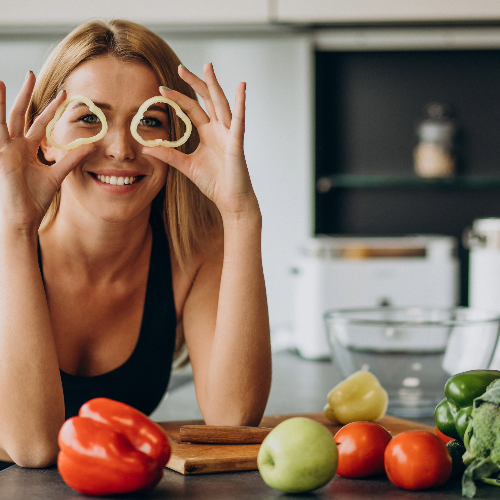
Bell pepper nutrition by color
Per 100 g (3½ oz) raw, from USDA FoodData Central:
| Nutrient | Red pepper | Yellow pepper | Green pepper |
|---|---|---|---|
| Calories | 26 kcal | 27 kcal | 20 kcal |
| Carbohydrate | 6 g | 6.3 g | 4.6 g |
| Fiber | 2.1 g | 0.9 g | 1.7 g |
| Sugars | 4.2 g | not listed | 2.4 g |
| Vitamin C | 128 mg | 184 mg | 80 mg |
| Beta carotene | 1,620 mcg | 120 mcg | 208 mcg |
| Folate | 46 mcg | 26 mcg | 10 mcg |
| Potassium | 211 mg | 212 mg | 175 mg |
Peppers change color as they ripen, usually from green to yellow or orange to red. Riper peppers are sweeter and, in red peppers, much richer in beta carotene.
Benefits of bell peppers
Outstanding source of vitamin C
The NHS says vitamin C helps protect cells, maintain healthy skin, blood vessels, bones and cartilage, and helps wounds heal, and that adults need 40 mg a day. Half a red pepper covers that easily. Vitamin C also helps your body absorb iron from plant foods, so peppers pair well with beans, lentils and leafy greens. Our guide to vitamin C foods compares the best sources.
Beta carotene and vitamin A
Red peppers are rich in beta carotene, which the body converts into vitamin A. The NHS notes that vitamin A helps the immune system work normally, supports vision in dim light and keeps skin healthy. Our article on carrots and eyesight explains how vitamin A works in the eye.
Lutein and zeaxanthin
Yellow, orange and green peppers contain lutein and zeaxanthin, pigments that collect in the retina and are linked with eye health.
Low in calories, high in crunch
Peppers are mostly water and add color, crunch and sweetness to meals for very few calories, which makes them useful for weight management. They’re also low in carbohydrate, so they suit low-carb and keto diets; our list of keto vegetables includes them.
Raw or cooked?
Both are healthy. Vitamin C is sensitive to heat and water, so raw peppers, or peppers cooked quickly by stir-frying or roasting, keep more of it than peppers boiled for a long time. Beta carotene, on the other hand, is better absorbed when peppers are cooked and eaten with a little fat, such as olive oil. Eating them both ways gives you the best of each.
Possible downsides
- Digestive discomfort: some people find raw peppers, especially green ones, hard to digest or cause wind. Cooking them or removing the skin can help.
- Nightshade sensitivity: peppers are nightshades, like tomatoes and eggplant. There’s no good evidence that nightshades harm most people, but if you think they trigger your symptoms, talk to your doctor.
- Allergy: rare, but possible, sometimes linked to pollen or latex allergy.
- Pesticide residues: wash peppers well under running water before eating, as the FDA advises for all produce.
Easy ways to eat more peppers
- Raw strips with hummus or guacamole as a snack.
- In salads, sliced thinly. Our quinoa salad uses them.
- Stir-fries and fajitas: cook quickly over high heat.
- Roasted peppers: roast whole at 220°C (425°F) until blackened, cover to steam, then peel. Use in salads, sandwiches and dips.
- Stuffed peppers: our quinoa stuffed peppers make a filling vegetarian meal.
- In omelets, soups and sauces, such as a red pepper and tomato pasta sauce.
- Pepper rings as a crunchy, colorful topping for sandwiches and burgers.
How to choose and store peppers
Choose peppers that are firm, glossy and heavy for their size, with no soft spots or wrinkles. Store them unwashed in the fridge’s vegetable drawer and use within a week. Once cut, wrap them and use within 2 to 3 days. Peppers also freeze well raw: slice them, freeze on a tray, then bag them for cooking. Our guide on how to store fruit and vegetables has more tips.
Quick roasted red pepper dip
Blend 2 roasted red peppers, peeled and deseeded, with 40 g of walnuts, a small garlic clove, 1 tablespoon of olive oil, a squeeze of lemon and a pinch of smoked paprika until smooth. Season to taste. This is a simple version of the Middle Eastern dip muhammara. Serve it with vegetable sticks or whole grain crackers, or spread it in wraps and sandwiches. It keeps for 3 to 4 days in a covered container in the fridge.
Common questions
Why do green peppers taste more bitter?
They’re picked before they’re fully ripe, so they contain less sugar and more bitter-tasting compounds. As peppers ripen to yellow, orange or red, they become sweeter.
Are hot chili peppers healthy too?
Yes, in the amounts people usually eat. Chilies provide vitamin C and capsaicin, which gives them heat. Very spicy food can trigger heartburn or stomach upset in some people.
Which color pepper is healthiest?
Red peppers are the most nutritious overall, with high vitamin C and the most beta carotene. Yellow peppers have the most vitamin C. All colors are healthy, so eat a mix.
Are bell peppers keto?
Yes, in normal portions. Green peppers have about 3 g of net carbs per 100 g, and red peppers about 4 g.
Are peppers a fruit or a vegetable?
Botanically, they’re fruits, because they contain seeds. In cooking and nutrition, they’re treated as vegetables.
This article is general information, not medical advice. Talk to your doctor or a registered dietitian before making big changes to how you eat, especially if you have a health condition, take regular medication, or are pregnant or breastfeeding.



