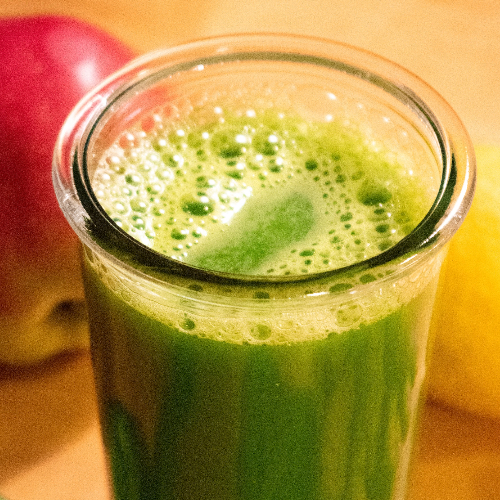
The MIND diet is an eating pattern designed to support brain health as we age. It combines elements of the Mediterranean and DASH diets and emphasizes ten food groups thought to benefit the brain, including leafy greens, other vegetables, berries, nuts, beans, whole grains, fish, poultry and olive oil, while limiting red meat, butter, cheese, pastries and fried food. In an observational study of older adults in Chicago, those who followed it most closely had a 53% lower rate of Alzheimer’s disease than those who followed it least. But a 3-year randomized trial published in 2023 found no significant difference in thinking skills between the MIND diet and a control diet, with both groups improving. It’s a healthy pattern, but not a proven way to prevent dementia.

The MIND diet foods
Brain-healthy foods to eat
| Food group | Target |
|---|---|
| Green leafy vegetables | At least 6 servings a week |
| Other vegetables | At least 1 serving a day |
| Berries | At least 2 servings a week |
| Nuts | At least 5 servings a week |
| Beans | At least 3 servings a week |
| Whole grains | At least 3 servings a day |
| Fish | At least 1 serving a week |
| Poultry | At least 2 servings a week |
| Olive oil | As the main cooking oil |
| Wine | Up to 1 glass a day in the original scoring (see below) |
Foods to limit
| Food | Limit |
|---|---|
| Red meat | Fewer than 4 servings a week |
| Butter and stick margarine | Less than 1 tablespoon a day |
| Cheese | Less than 1 serving a week |
| Pastries and sweets | Fewer than 5 servings a week |
| Fried or fast food | Less than 1 serving a week |
These targets come from the original MIND diet scoring developed by researchers at Rush University.
What the evidence shows
Observational research
In the 2015 study, researchers followed more than 900 older adults for an average of about 4.5 years. People with the highest MIND diet scores had about half the rate of Alzheimer’s disease compared with the lowest. Even moderate adherence was linked with a 35% lower rate. Studies like this can’t prove cause and effect, because people who eat healthily often differ in other ways, such as education, activity and income.
The 2023 trial
The NEJM trial randomly assigned 604 older adults with overweight and a family history of dementia to either the MIND diet or a control diet, both with mild calorie restriction. After three years, thinking skills improved in both groups, and the difference between them was small and not statistically significant. Brain scans also showed little difference. The researchers noted that both groups lost weight and received regular dietary counseling, which may have helped everyone.
What this means
The MIND diet is a healthy, balanced pattern with good evidence for heart health and general wellbeing, from its Mediterranean and DASH roots. Whether it specifically protects the brain beyond those benefits isn’t clear yet. The NHS lists eating a balanced diet, keeping alcohol within recommended limits, staying active, not smoking and keeping blood pressure in check among the ways to lower dementia risk.
Why these foods?
- Leafy greens provide folate, vitamin K, lutein and nitrates.
- Berries are rich in flavonoids, which have been linked with slower cognitive decline in some long-term observations, though evidence is mixed.
- Nuts and olive oil supply vitamin E and unsaturated fats.
- Fish provides long-chain omega-3 fats, important for brain structure.
- Beans and whole grains add fiber and B vitamins and help control blood sugar.
Our guides to brain foods and omega-3 foods explain more.
What about wine?
The original MIND scoring gave points for one glass of wine a day. However, the World Health Organization has stated that no level of alcohol consumption is safe for health, and alcohol increases the risk of several cancers. There’s no reason to start drinking for brain health. If you drink, keep within 14 units a week. Our article on whether red wine is good for you covers the evidence.
A sample MIND diet day
- Breakfast: porridge with blueberries and walnuts.
- Lunch: spinach and bean salad with whole grain bread and olive oil dressing.
- Snack: a handful of almonds and an apple.
- Dinner: baked salmon with roasted vegetables and brown rice, or chicken with lentils and greens.
Tips for following the MIND diet
- Add a leafy green salad or a handful of spinach to one meal a day.
- Keep frozen berries in the freezer for porridge and yogurt.
- Snack on nuts instead of biscuits or crisps.
- Eat beans three times a week in soups, stews and salads.
- Choose olive oil for cooking and dressings.
- Swap red meat for fish or poultry most days.
- Keep cheese, butter, pastries and fried food as occasional foods.
Our Mediterranean diet for beginners and DASH diet guides cover the two parent diets.
The MIND diet on a budget
Many MIND foods are affordable. Frozen spinach and kale, frozen berries, canned beans, oats, brown rice, canned sardines and salmon, and eggs are cheap and keep well. Buy nuts in larger bags and store them in the freezer, and use olive oil for cooking rather than expensive specialty products. You don’t need to hit every target every week; moving your usual meals in the MIND direction, with more greens, beans, berries and fish and less fried and processed food, is what matters.
Common questions
Can the MIND diet prevent Alzheimer’s?
It’s not proven. Observational evidence is promising, but a large trial didn’t find a clear benefit over another healthy diet.
Is the MIND diet good for weight loss?
It’s not designed for weight loss, but it’s rich in filling, nutritious foods and limits many high-calorie ones.
Is it suitable for younger people?
Yes. It’s a balanced pattern for any adult. Brain health in later life is shaped by habits over many decades.
Do I need to follow every rule?
No. The 2015 analysis found that even moderate adherence was linked with benefit. Start with the easiest changes, such as a daily salad and a handful of nuts.
This article is general information, not medical advice. Talk to your doctor or a registered dietitian before making big changes to how you eat, especially if you have a health condition, take regular medication, or are pregnant or breastfeeding.