Yes, garlic is good for you, mainly as a flavorful, low-calorie way to make healthy food taste better, which can help you use less salt. Garlic contains sulfur compounds such as allicin, which forms when a clove is crushed or chopped. There’s some evidence that garlic supplements may lower blood pressure and cholesterol slightly in people with high levels, but the effects of the amounts used in cooking are less clear. Claims that garlic prevents colds or cancer aren’t well supported. The US National Center for Complementary and Integrative Health notes that garlic supplements can increase the risk of bleeding, so if you take blood-thinning medicines, talk to your doctor before taking them.
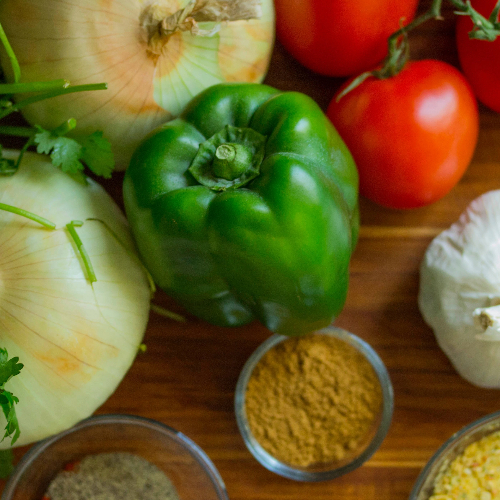
Garlic nutrition
Garlic is used in small amounts, so it adds little in the way of calories or nutrients to a meal. A clove weighs about 3 g and has around 4 calories, according to USDA FoodData Central. Per 100 g, raw garlic is a good source of vitamin C, vitamin B6 and manganese, but you’d need to eat a whole bulb or more to get meaningful amounts. Its main value lies in its plant compounds and its flavor.
What the evidence says
Blood pressure
A 2016 meta-analysis of 20 trials with 970 participants found that garlic supplements lowered systolic blood pressure by about 5 mmHg on average compared with placebo, with larger effects in people with high blood pressure. Most trials used aged garlic extract supplements for several weeks or months. That’s a modest effect, similar to some lifestyle changes, but garlic isn’t a replacement for blood pressure medicine. The NCCIH describes the evidence as limited and the effect as small.
Cholesterol
The NCCIH says garlic supplements may reduce total and LDL cholesterol to a small extent in people with high cholesterol. Results vary between products and trials. A diet rich in vegetables, whole grains, beans and unsaturated fats has a much bigger effect. Our guide to foods that lower cholesterol explains what works best.
Colds
Garlic is often recommended for colds, but the evidence is weak. A Cochrane review found only one suitable trial, in which people taking a garlic supplement reported fewer colds. The reviewers concluded there wasn’t enough evidence to say garlic prevents or treats colds. Our guide to vitamin C and colds covers other remedies.
Cancer
Diets high in garlic and onions have been linked with lower rates of some cancers, especially of the stomach and bowel, but these links can’t show cause and effect, and garlic supplements haven’t been shown to prevent cancer.
How to get the most from garlic
- Crush or chop it and wait 10 minutes before cooking. This gives the enzyme time to form allicin before heat inactivates it.
- Use it raw sometimes, in dressings, dips, pesto and salsa.
- Add it toward the end of cooking in sauces and stir-fries, as long cooking reduces its pungency and some compounds.
- Use plenty. Garlic adds so much flavor that you can cut the salt in many dishes. Our guide to herbs instead of salt has more ideas.
Side effects and safety
- Bad breath and body odor are the most common side effects. Eating parsley or apples may help a little.
- Digestive upset: raw garlic can cause heartburn, gas or an upset stomach in some people. It’s also high in fructans, which can trigger symptoms in people with IBS.
- Bleeding risk: garlic supplements may increase bleeding, especially with medicines such as warfarin, or before surgery. The NCCIH also notes that garlic supplements can interact with some HIV medicines.
- Allergy: rare, but possible.
- Burns from raw garlic: applying raw garlic to the skin can cause chemical burns. Don’t use it as a home remedy on skin.
- Garlic in oil: homemade garlic-infused oil should be kept in the fridge and used within a few days, as garlic stored in oil at room temperature can allow dangerous bacteria to grow.
Fresh, powdered or supplements?
Fresh garlic gives the best flavor and the most allicin potential. Garlic powder and granules are convenient and still contain some active compounds. Supplements, including aged garlic extract, are used in most of the experiments, but they vary widely in quality and dose and aren’t regulated like medicines. For most people, cooking with garlic regularly is the simplest approach.
Easy ways to eat more garlic
- Roast a whole bulb until soft and spread it on toast.
- Make garlic yogurt sauce with Greek yogurt, lemon and herbs.
- Add to soups and stews, such as our red lentil soup.
- Stir-fry greens with garlic and chili.
- Make a garlic pan sauce for chicken or fish. See our simple pan sauce.
- Toss with roasted vegetables in the last 10 minutes.
- Try our garlic shrimp with zucchini noodles.
How to store garlic
Keep whole bulbs in a cool, dry, dark place with good airflow, not in the fridge, where they can sprout or go moldy. Whole bulbs keep for several weeks; separated cloves for about a week to 10 days. Chopped garlic should be refrigerated and used within a day or two.
Common questions
How much garlic should I eat a day?
There’s no official recommendation. One to two cloves a day as part of cooking is common in many cuisines.
Is raw garlic healthier than cooked?
Raw garlic keeps more allicin, but cooked garlic still has benefits and is easier on the stomach.
Does garlic help you lose weight?
There’s no good evidence that garlic causes weight loss, though it helps make lower-calorie meals tasty.
Can I eat garlic when pregnant?
Yes, as a food. Avoid high-dose garlic supplements unless your doctor recommends them.
Is black garlic healthier than fresh garlic?
Black garlic is made by aging whole bulbs at warm temperatures for several weeks, which makes it sweet, soft and mild. It contains less allicin than fresh garlic but more of some other compounds. It’s a tasty ingredient, but there’s no good evidence it’s healthier than fresh garlic.
This article is general information, not medical advice. Talk to your doctor or a registered dietitian before making big changes to how you eat, especially if you have a health condition, take regular medication, or are pregnant or breastfeeding.



