Soup can be one of the healthiest meals you eat, but it depends on what goes into it. A soup made with vegetables, beans or lentils and a stock base is filling, low in calories for its size and an easy way to reach your 5 a day. In a Penn State experiment, adults who started lunch with a bowl of vegetable soup ate 20% fewer calories at the meal overall, whether the soup was chunky or smooth. The downsides are salt, which can be high in canned and instant soups, and saturated fat in cream-heavy recipes. Some soups are also too low in protein to keep you full. With a few simple choices, soup can be a balanced, warming meal.
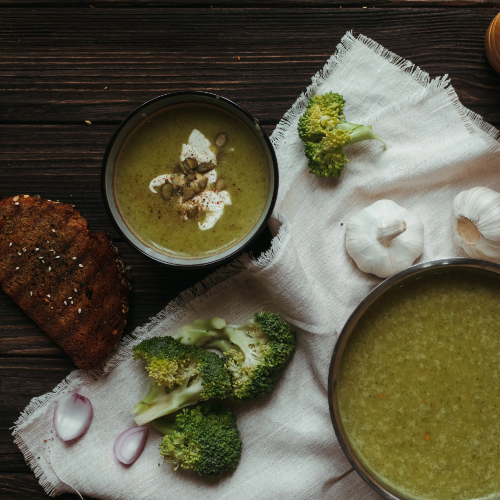
What makes a soup healthy?
- Plenty of vegetables: onions, carrots, celery, tomatoes, leafy greens, squash, peppers, mushrooms.
- A source of protein: beans, lentils, chickpeas, chicken, fish, tofu or eggs.
- Fiber: from vegetables, legumes and whole grains such as barley or brown rice.
- A stock or tomato base, rather than mostly cream, cheese or butter.
- Moderate salt: homemade with low-salt stock, or a canned soup that’s lower in salt.
Why soup can help with weight
Soups are high in water and vegetables, so they have a low energy density: plenty of food for relatively few calories. That fills your stomach and slows you down, as soup is usually eaten hot and with a spoon. The Penn State team found the same effect for broth with separate vegetables, chunky soup and smooth soup, so you can choose the texture you prefer. A broth-based soup before a meal, or as a light lunch with some protein, can make a lower-calorie diet easier to follow. Our guide to losing weight safely has more ideas.
The salt problem
Canned, carton and instant soups can contain a lot of salt, and a large bowl can provide half or more of the 6 g a day limit for adults set by the NHS. On labels, the NHS classes more than 1.5 g of salt per 100 g as high and 0.3 g or less as low. Ways to cut back:
- Use low-salt stock or make your own from vegetable scraps or a chicken carcass.
- Add salt at the end, after tasting, since stock and canned beans already contain some.
- Build flavor with onion, garlic, herbs, spices, lemon juice, a splash of vinegar or a spoonful of tomato paste. Our guide to herbs instead of salt has ideas.
- Rinse canned beans before adding them.
- Compare labels when buying, and choose reduced-salt versions.
Creamy soups without much cream
Cream and cheese make soups rich but add saturated fat. You can get a silky texture in other ways:
- Blend in cooked beans or lentils: white beans give a creamy body to vegetable soups.
- Add a potato or a handful of oats before blending.
- Stir in plain yogurt or a little milk at the end, off the heat so it doesn’t split.
- Roast the vegetables first for a deeper flavor that needs less fat, as in our butternut squash soup.
- Use a small amount of coconut milk in curried soups, or the light version.
Healthier soups and soups to watch
| Healthier choices | Better as an occasional choice |
|---|---|
| Lentil, split pea and bean soups | Cream of chicken or mushroom soups made with lots of cream |
| Minestrone and vegetable soups | Cheese-heavy soups such as broccoli cheddar |
| Tomato soup made with stock | Instant noodle cups, which are often salty and low in vegetables |
| Chicken and vegetable soup | Chowders thickened with flour and cream |
| Miso soup with tofu and greens | Soups topped with bacon, croutons and lots of cheese |
| Blended vegetable soups such as squash or carrot | Ready-made soups high in salt |
Some of our favorites: red lentil soup, pea soup, tomato basil soup and broccoli and spinach soup.
Making soup a complete meal
A bowl of blended vegetable soup is often low in protein and may leave you hungry an hour later. To make it a full meal:
- Add protein: a can of beans, a handful of red lentils, shredded chicken, tofu cubes or a boiled egg on the side.
- Add whole grains: barley, brown rice, whole wheat pasta or a slice of whole grain bread.
- Add healthy fat: a drizzle of olive oil, a spoonful of pesto, or toasted seeds on top.
- Add extra greens: stir a handful of spinach or kale into the hot soup just before serving.
Our guide to beans and legumes explains why they’re such a useful soup ingredient.
Is canned soup healthy?
Canned soup can be a reasonable quick meal. Look for soups that list vegetables and legumes first, have at least a few grams of fiber and protein per serving, and are lower in salt. Bulk them up with extra frozen vegetables, a can of beans or a side salad. Instant cup soups are usually less filling and less nutritious.
Is bone broth healthier?
Bone broth is a flavorful stock made by simmering bones for many hours. It’s a good base for soup, but claims that it heals the gut or improves skin and joints aren’t backed by good evidence in people. Plain broth is also low in protein and can be salty. Treat it as you would any stock.
Soup safety: storing and reheating
Large pots of soup cool slowly, which gives bacteria time to grow. The USDA Food Safety and Inspection Service advises:
- Refrigerate within 2 hours of cooking. Divide large batches into shallow containers so they cool quickly.
- Eat refrigerated soup within 3 to 4 days, or freeze it.
- Reheat soups until they come to a rolling boil, stirring so they heat evenly.
Most soups freeze well for two to three months. Soups with pasta or potatoes can turn soft, and dairy-based soups may separate, so add cream or yogurt after reheating.
Soup diets
Diets based mostly on one soup, such as cabbage soup diets, lead to quick weight loss at first, mostly water, but they’re very low in protein and nutrients and hard to keep up. Including soup as part of a balanced diet is a more realistic approach.
Common questions
Is soup good for a cold?
Warm fluids can be soothing and help you stay hydrated, and chicken soup is a traditional favorite. Soup won’t shorten a cold, but it’s an easy meal when you don’t feel like cooking. Our guide to vitamin C and colds covers what the evidence shows.
Does blended soup count toward 5 a day?
Yes. Vegetables and legumes in soup count, though beans and lentils count as a maximum of one portion a day however much you eat.
Is soup hydrating?
Yes. Most soups are largely water, so they count toward your fluid intake, which can be helpful for older adults who don’t drink much.
This article is general information, not medical advice. Talk to your doctor or a registered dietitian before making big changes to how you eat, especially if you have a health condition, take regular medication, or are pregnant or breastfeeding.



