Matcha can be a healthy drink. It’s powdered green tea made from shade-grown leaves, and because you whisk the whole leaf into water or milk rather than steeping and discarding it, you take in more of the tea’s caffeine, plant compounds called catechins (mainly EGCG) and the amino acid L-theanine than you would from a cup of brewed green tea. Green tea drinking is linked with a lower risk of heart disease in large observational research, though matcha itself has been studied far less. The main things to watch are caffeine, the sugar and syrups in café matcha lattes, and concentrated green tea extract supplements, which have been linked with liver damage at high doses, as the European Food Safety Authority has warned.
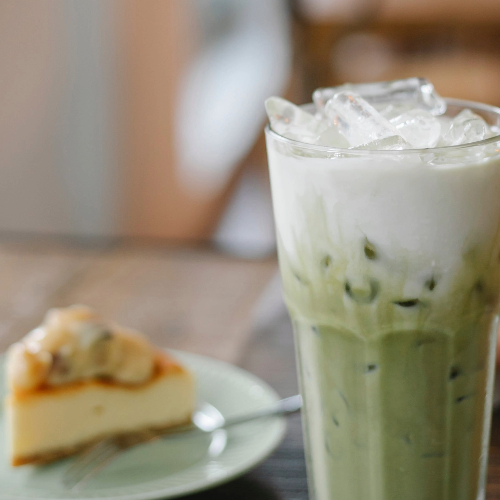
What is matcha?
Matcha comes from tea plants grown in the shade for several weeks before harvest, which increases the chlorophyll and L-theanine in the leaves and gives matcha its bright green color and savory, slightly sweet flavor. The leaves are steamed, dried, de-stemmed and stone-ground into a fine powder. Traditional Japanese matcha is whisked with hot water into a frothy tea; today it’s also used in lattes, smoothies and baking.
Matcha vs green tea
| Matcha | Brewed green tea | |
|---|---|---|
| How it’s made | Whole leaf ground to powder and whisked in | Leaves steeped, then removed |
| Caffeine | Usually higher per cup; varies with the amount of powder | Usually lower |
| Catechins (EGCG) | Higher, as you consume the whole leaf | Lower |
| L-theanine | Higher, due to shade growing | Lower |
| Taste | Rich, grassy, umami | Lighter, more delicate |
| Cost | Higher | Lower |
Caffeine varies widely by brand, grade and how much powder you use, so check the packet if you’re sensitive to it.
Possible health benefits
Heart health
In the Ohsaki study, a large Japanese study published in JAMA that followed more than 40,000 adults, people who drank more green tea had lower rates of death from heart disease. Studies like this show a link, not proof, and green tea drinkers may differ in other ways, but the findings fit with other research on tea and heart health.
Antioxidants
Catechins are antioxidants, and matcha contains more of them per serving than brewed green tea. Whether this makes a meaningful difference to health in people is still unclear. The US National Center for Complementary and Integrative Health says that definite conclusions can’t yet be reached on whether green tea helps for most of the purposes it’s promoted for.
Calm alertness
L-theanine may smooth out the effects of caffeine, which is why many people describe matcha as giving steadier, calmer energy than coffee. Most of the evidence for this comes from small, short experiments, so it’s best treated as a possible benefit.
Weight
Green tea is often promoted for weight loss, but any effect from the drink is small. Swapping a sugary drink for unsweetened matcha helps more than the tea itself.
Things to watch
Caffeine
Matcha usually has more caffeine than brewed green tea and less than a strong coffee, but it depends on the amount you use. The European Food Safety Authority considers up to 400 mg of caffeine a day safe for healthy adults, and up to 200 mg a day in pregnancy. Avoid matcha late in the day if caffeine affects your sleep.
Sugar in matcha lattes
Café matcha lattes are often made with a sweetened matcha blend or syrup, and a large one can contain several teaspoons of sugar. Ask for unsweetened matcha, choose a smaller size, or make it at home. Our healthier latte guide has tips.
Supplements
Green tea is generally safe as a drink. Concentrated extracts are different: EFSA found that catechins from green tea infusions are generally safe, but doses of 800 mg a day or more from supplements may cause liver problems. Don’t take green tea extract capsules without talking to your doctor, and stop if you notice symptoms such as yellowing skin, dark urine or abdominal pain.
Iron absorption
Tea reduces the absorption of iron from plant foods. If you have low iron, drink matcha between meals rather than with them. Our list of iron-rich foods has more.
Quality
Because you consume the whole leaf, buy matcha from reputable brands that test for contaminants. “Ceremonial” grade is smoother for drinking; “culinary” grade is cheaper and fine for baking and smoothies.
How to make matcha
- Sift ½ to 1 teaspoon (1 to 2 g) of matcha into a bowl to remove lumps.
- Add 60 to 80 ml of hot water, around 70 to 80°C (160 to 175°F). Boiling water makes it bitter.
- Whisk briskly in a zigzag motion with a bamboo whisk or a small milk frother for about 30 seconds, until frothy.
- For a latte, add 150 to 200 ml of steamed milk or plant milk.
- For iced matcha, whisk with a little cold water, then pour over ice and milk.
Ways to use matcha
- Matcha latte with milk or oat milk.
- Smoothies: add ½ teaspoon to a banana and spinach smoothie.
- Overnight oats: stir into oats with yogurt and berries.
- Baking: muffins, pancakes and cheesecake, though baked goods add sugar.
Common questions
Is matcha better than coffee?
Neither is clearly healthier. Both can be part of a healthy diet without sugar. Matcha contains L-theanine and catechins; coffee has its own plant compounds. Choose the one you enjoy and that suits your caffeine tolerance. Our guide to green tea benefits compares teas.
How much matcha is safe per day?
One to two cups a day is a sensible amount for most healthy adults, keeping total caffeine within limits.
Can I drink matcha when pregnant?
In moderation, counting it toward the 200 mg a day caffeine limit. Avoid green tea supplements.
Does matcha break a fast?
Plain matcha with water has almost no calories, so it’s often used during fasting periods. Milk and sugar add calories.
This article is general information, not medical advice. Talk to your doctor or a registered dietitian before making big changes to how you eat, especially if you have a health condition, take regular medication, or are pregnant or breastfeeding.



