No single “brain food” will make you smarter or prevent dementia, but your overall diet does matter for long-term brain health. Diets rich in vegetables, especially leafy greens, plus berries, whole grains, beans, nuts, olive oil and fish are linked with healthier aging, mainly because they protect your heart and blood vessels, which supply the brain. The evidence from trials is mixed: in a 3-year trial of the MIND diet, a diet designed for brain health didn’t improve memory and thinking more than a control diet that also included modest weight loss. The most reliable steps are a balanced diet, staying active, not smoking, limiting alcohol and keeping blood pressure in check.
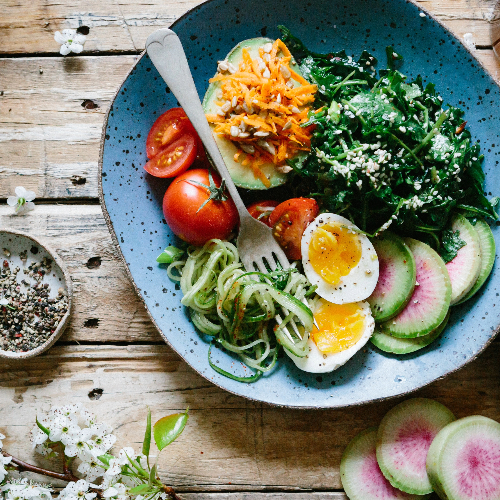
How diet affects the brain
The brain uses about a fifth of the body’s energy and depends on a steady supply of blood, oxygen and nutrients. Diet affects it mostly indirectly:
- Through blood vessels. High blood pressure, high cholesterol and type 2 diabetes damage blood vessels, including those in the brain, and raise the risk of stroke and dementia.
- Through specific nutrients. Severe deficiencies, such as of vitamin B12, can affect memory and thinking. Our guide to vitamin B12 explains who’s at risk.
- Through mood and energy. What you eat can affect concentration and mood day to day. Our guide to food and mood covers this.
What the evidence says
Diet patterns, not single foods
Most of the evidence comes from tracking people’s eating habits over many years. People who eat more vegetables, fruit, fish, whole grains, nuts and olive oil, as in Mediterranean-style diets, tend to have slower cognitive decline and lower dementia risk. But people who eat this way also differ in other ways, such as income, education and activity, which makes it hard to know how much is due to food.
Trials are more mixed
- In the MIND diet trial, 604 older adults with a family history of dementia followed either the MIND diet or a control diet, both with mild calorie restriction. After 3 years, thinking scores and brain scans improved similarly in both groups.
- In the FINGER trial, 1,260 older adults at risk of dementia received a combined program of diet advice, exercise, brain training and monitoring of heart risk factors. After 2 years, their thinking skills improved slightly more than the control group’s.
Together, these suggest that a healthy lifestyle as a whole matters more than any single food.
Foods worth including
These foods are linked with better brain and heart health as part of a balanced diet:
- Leafy green vegetables: spinach, kale, collard greens and lettuce provide folate, vitamin K and lutein. Our guide to spinach nutrition covers one of the best.
- Oily fish: salmon, sardines, mackerel and trout provide the omega-3 fat DHA, a major building block of the brain. The NHS recommends at least 2 portions of fish a week, one of them oily. Our guide to omega-3 foods lists the best sources.
- Berries: blueberries, strawberries and other berries provide fiber, vitamin C and plant compounds called flavonoids.
- Nuts: especially walnuts, which provide plant omega-3. Our guide to walnuts explains what’s known.
- Whole grains, beans and lentils: for fiber and steady energy.
- Eggs: a source of choline and vitamin B12.
- Olive oil: in place of butter and other saturated fats.
- Tea and coffee: moderate amounts are part of many healthy diets, as long as they don’t disrupt sleep.
Foods to limit
- Ultra-processed foods, sugary drinks and sweets. Our guide to ultra-processed foods explains how to eat fewer.
- Foods high in saturated fat and salt, which affect blood pressure and cholesterol.
- Alcohol. Drinking too much is a risk factor for dementia. The NHS advises keeping alcohol within recommended limits as one way to reduce dementia risk.
What about supplements?
Most “brain boosting” supplements, including ginkgo, high-dose omega-3 capsules and many nootropic blends, haven’t been shown to prevent memory loss or dementia in people who aren’t deficient. Some can interact with medicines. If you’re worried about your memory, see your doctor rather than trying supplements. A blood test can check for deficiencies such as low B12, and your doctor can look for other treatable causes, such as thyroid problems or medicine side effects.
Beyond food: what protects the brain
The NHS lists several ways to reduce the risk of dementia:
- Eating a balanced diet.
- Keeping alcohol within recommended limits.
- Stopping smoking.
- Keeping your blood pressure at a healthy level.
- Being physically active.
- Staying mentally and socially active.
Regular hearing checks and good sleep are also worth prioritizing. Our guide to healthy eating for older adults covers nutrition in later life.
A day of brain-friendly eating
| Meal | Example |
|---|---|
| Breakfast | Porridge with blueberries and walnuts |
| Lunch | Salmon, egg and kale bowl with cucumber and carrot, like the one in our photo |
| Snack | An apple and a handful of almonds |
| Dinner | Lentil and vegetable stew with whole grain bread and a green salad with olive oil |
Common questions
What is the single best food for the brain?
There isn’t one. Leafy greens, oily fish, berries and nuts are often highlighted, but it’s the overall pattern of eating, over many years, that matters most.
Can diet reverse memory loss?
Diet can’t reverse dementia. But treating deficiencies, such as low B12, and managing blood pressure and diabetes can help protect the brain. See your doctor if you notice memory changes.
Are eggs good for the brain?
Eggs provide choline, vitamin B12 and protein, which all play roles in the nervous system. They can be part of a brain-healthy diet, alongside plenty of vegetables, fish and whole grains. There’s no need to eat them every day.
Does sugar harm the brain?
Very high sugar intake contributes to weight gain and type 2 diabetes, both of which raise dementia risk. Keeping added sugars low is sensible for overall health.
This article is general information, not medical advice. Talk to your doctor or a registered dietitian before making big changes to how you eat, especially if you have a health condition, take regular medication, or are pregnant or breastfeeding.



