Smoothies can help with weight loss when they replace a less healthy breakfast or snack and are built to keep you full, with protein, fiber, vegetables and a modest amount of fruit. They can just as easily work against you. Blended fruit is less filling than whole fruit, it’s easy to drink 400 calories without noticing, and many shop-bought smoothies contain as much sugar as a can of soft drink. The NHS counts smoothies as only one of your 5 a day, however much you drink, and advises keeping fruit juice and smoothies to 150 ml a day in total. A smoothie works best as a planned meal or snack in place of something else, not as an extra on top of your usual food.
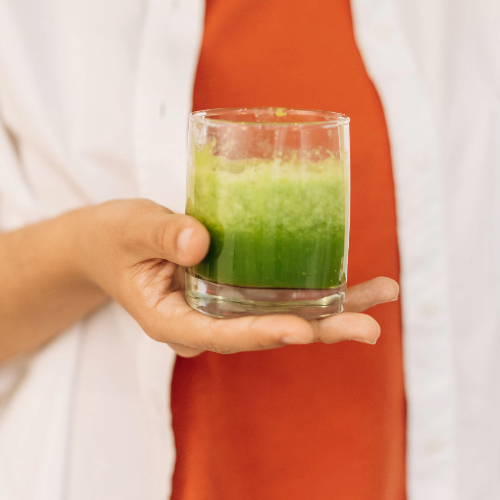
Why smoothies can help
- Convenience: a smoothie can replace a pastry, sugary cereal or skipped breakfast that leads to snacking later.
- More fruit and vegetables: adding spinach, carrot or cucumber is an easy way to eat more plants.
- Protein: Greek yogurt, milk, soy milk or a spoonful of nut butter make a smoothie more filling than fruit alone.
- Portion control: a homemade smoothie with measured ingredients is easier to fit into a calorie target than an unplanned snack.
Why smoothies can backfire
Liquids are less filling
Drinks don’t trigger the same feeling of fullness as food you chew. In one Penn State experiment, adults ate a whole apple, applesauce or apple juice before lunch. All three had the same calories, but the whole apple was the most filling and cut total calories at the meal by 15% compared with no starter, while the juice made little difference. Blending breaks down some of the structure that slows eating and digestion, and drinking takes far less time than chewing.
Sugar adds up
When fruit is blended or juiced, its sugars count as free sugars, the type we’re advised to cut down on. The NHS recommends no more than 30 g of free sugars a day for adults, and a large fruit smoothie made with juice can contain most of that. Honey, syrups, sweetened yogurt and fruit juice bases add more.
Calories add up quickly
A large café smoothie with banana, mango, juice, nut butter and granola can contain 400 to 600 calories, the same as a meal. If you drink it alongside lunch rather than instead of lunch, it can slow weight loss.
Teeth
Sugary, acidic drinks sipped over a long time are hard on teeth. The World Health Organization lists free sugars as a main cause of tooth decay. Drink smoothies with a meal, rather than sipping one through the morning, and rinse with water afterward.
How to build a weight-loss-friendly smoothie
| Part | Choose | Amount |
|---|---|---|
| Protein | Plain Greek yogurt, skyr, milk, soy milk, silken tofu or unflavored protein powder | 150 g yogurt or 250 ml milk |
| Vegetables | Spinach, kale, cucumber, carrot, cauliflower rice (frozen) | 1 to 2 handfuls |
| Fruit | Berries, banana, mango, apple, kiwi | 1 portion (about 80 g) |
| Fiber or healthy fat | Oats, chia seeds, ground flaxseed, nut butter, avocado | 1 tablespoon or 20 g oats |
| Liquid | Water, milk, unsweetened plant milk, cold tea | To thin |
| Flavor | Cinnamon, ginger, vanilla, lemon, cocoa powder, mint | A pinch to a teaspoon |
Skip the juice, honey and syrups. Frozen fruit gives a thick, cold texture without ice cream or sweetened yogurt.
Example combinations
- Berry and oat: frozen mixed berries, Greek yogurt, oats, milk and cinnamon.
- Green: spinach, cucumber, half a banana, kiwi, Greek yogurt and water. Our green smoothie recipe has exact amounts.
- Carrot and ginger: our carrot ginger smoothie has about 170 calories and 5 g of fiber per glass.
- Chocolate peanut: cocoa powder, a tablespoon of peanut butter, half a frozen banana, milk and a handful of spinach.
Smoothie as a meal or a snack?
A smoothie meant to replace breakfast should be roughly 300 to 400 calories, with at least 15 to 20 g of protein and some fiber, so you stay full until lunch. A smoothie as a snack can be smaller, 150 to 200 calories, made with half the fruit and more vegetables or yogurt. If you find you’re hungry an hour after a smoothie, add more protein or oats, or have a boiled egg or a few nuts with it.
Shop-bought smoothies
Ready-made smoothies are often made mainly from fruit juice and purées, which makes them high in free sugars and low in protein. Check the label: the NHS guide to food labels explains how to read the sugar figures. If you buy one, choose a small bottle, look for versions with yogurt or milk, and count it as your one smoothie portion for the day.
What about smoothie diets and meal replacement shakes?
Smoothie-only diets that replace every meal with blended fruit are low in protein, hard to keep up and often lead to weight regain. Total diet replacement programs are different. They use nutritionally complete formula shakes and soups for a set period, with medical support. In the DiRECT trial, a supervised low-calorie program like this led many people with type 2 diabetes to substantial weight loss and remission. Very low-calorie plans like these should only be followed with support from a doctor or dietitian.
Tips that make the difference
- Use a glass, not a giant bottle, and keep portions to about 300 to 400 ml.
- Drink it slowly, or eat it with a spoon as a smoothie bowl. Our berry smoothie bowl uses toppings to add chewing.
- Have whole fruit for your other fruit portions in the day. Our guide to how much fruit to eat a day explains why.
- Make it part of a plan. Smoothies help most when they replace something less healthy, alongside regular meals, activity and sleep.
Common questions
Are smoothies better than juice for weight loss?
Usually, yes, because a smoothie keeps the fiber of the whole fruit and can include protein. Our comparison of smoothie vs juice explains the differences.
Can I drink a smoothie every day?
Yes, if it fits your calorie needs and you count it as your one smoothie portion. Keep most of your fruit whole.
Are green smoothies better for weight loss?
They can be lower in sugar if vegetables replace some of the fruit, but the total calories and protein matter more than the color. Our article on whether green juice is good for you covers the juice version.
What’s the best time to drink a smoothie?
Whenever it replaces a meal or snack you’d otherwise have. Breakfast and after exercise are common choices.
This article is general information, not medical advice. Talk to your doctor or a registered dietitian before making big changes to how you eat, especially if you have a health condition, take regular medication, or are pregnant or breastfeeding.



