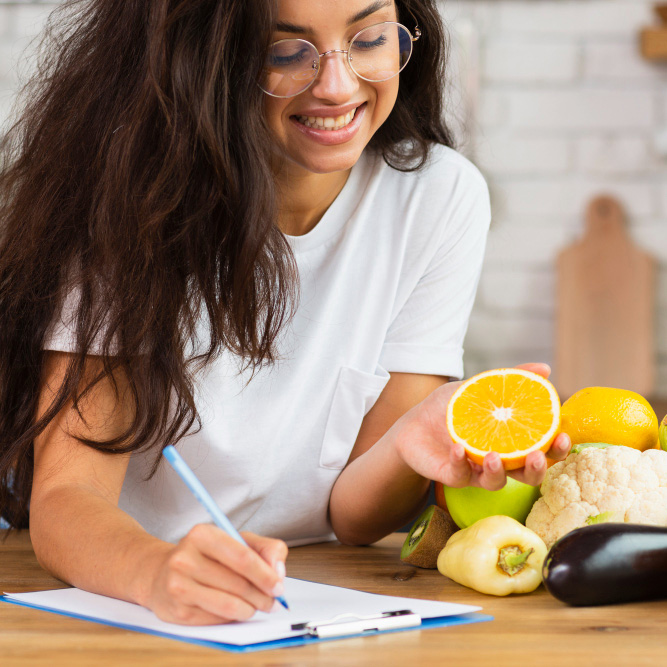
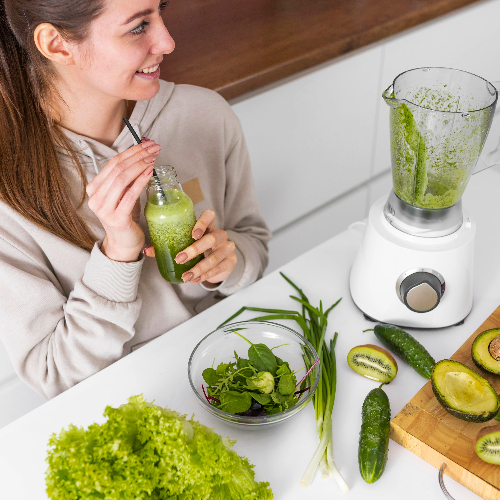
The quickest ways to cut food waste at home are to plan meals before you shop, check what you already have, store food correctly, understand date labels, and use your freezer more. Most household food waste is food that was bought and then forgotten, so a few simple habits make a big difference to your shopping bill. Food waste is a huge problem worldwide: according to the UN Environment Programme, about 1.05 billion tonnes of food was wasted in 2022, nearly a fifth of the food available to consumers, and around 60% of that waste happened in homes.
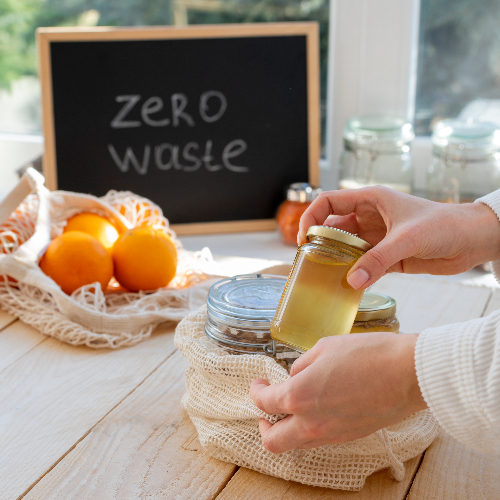
Why food waste matters
- Money. Every bag of salad, loaf of bread or carton of milk thrown away is money in the bin.
- Environment. Growing, transporting and packaging food uses land, water and energy, and food that rots in landfill releases greenhouse gases.
- Nutrition. Fruit and vegetables are among the most wasted foods, and they’re the foods most people need more of.
The FDA notes that the US has a national goal to halve food waste by 2030, and much of that depends on what happens in our kitchens.
Plan before you shop
- Check your fridge, freezer and cupboards before you write a list. A quick photo on your phone helps in the shop.
- Plan meals for the week, including one “use-it-up” meal, such as a stir-fry, frittata, soup or fried rice, to finish leftovers.
- Write a list and stick to it. Our healthy grocery list is a good template.
- Buy loose fruit and vegetables when you can, so you get the amount you need.
- Think twice about multi-buy offers on perishable foods. They only save money if you’ll eat everything.
- Shop more often for fresh food if that suits you, buying smaller amounts.
Our guide to meal prep for beginners explains how to plan a week of meals.
Understand date labels
Date labels are one of the biggest causes of confusion, and of perfectly good food being thrown away.
- Use by is about safety. In the UK, government guidance explains that use-by dates tell you when food is no longer safe to eat, and that eating it after this date could make you ill. You can still freeze or cook food on or before its use-by date to make it last longer.
- Best before is about quality. After the best before date, food is usually safe to eat but may not be at its best. Use your eyes, nose and taste to judge it.
- “Best if used by” in the US is also about quality, not safety. The FDA says that, except for infant formula, manufacturers aren’t required by federal law to put quality-based date labels on packaged food, and it supports using “Best if Used By” as the standard phrase.
- Sell by and display until dates are for shop staff, not shoppers.
Always follow the use-by date for high-risk foods such as fish, meat, ready meals and dairy products, and never eat food that smells or looks off. When in doubt, throw it out.
Store food so it lasts longer
- Keep your fridge at 4°C (40°F) or below and your freezer at -18°C (0°F), as the FDA advises. A cheap fridge thermometer shows whether yours is cold enough.
- First in, first out. Move older food to the front when you put new shopping away.
- Use clear containers so leftovers aren’t forgotten, and label them with the date.
- Store fruit and vegetables correctly. Some, like tomatoes and bananas, keep best out of the fridge, while most others last longer in it. Our guide on how to store fruit and vegetables explains which go where.
- Keep bread in a cool cupboard or slice and freeze it, and toast slices straight from frozen.
- Wrap cheese in wax paper or baking paper, then put it in a container.
Use your freezer
The freezer is the most useful tool for reducing waste. You can freeze:
- Bread, wraps and bagels.
- Milk, in its plastic container, with a little space at the top. Thaw it in the fridge and shake well.
- Ripe bananas, peeled, for smoothies and banana bread.
- Leftover rice, cooled quickly and frozen within 1 hour of cooking.
- Grated cheese and chopped herbs in a little oil in ice cube trays.
- Cooked meals and soups, in portions.
- Raw meat and fish, on or before the use-by date.
Freeze food in flat bags or small portions so it thaws quickly, and label each bag with what it is and the date. Thaw food in the fridge, not on the counter.
Love your leftovers
- Cook the right amount. A typical portion of uncooked rice or pasta is about 75 g (½ cup) per adult.
- Cool leftovers quickly and refrigerate them within 2 hours, then eat them within 2 to 3 days, or freeze them.
- Turn leftovers into new meals: roast vegetables become a frittata or soup, leftover chicken goes in wraps or salads, and stale bread makes breadcrumbs or croutons.
- Reheat until steaming hot, and reheat rice only once.
Use every part
Many parts of fruit and vegetables that get thrown away are edible:
- Broccoli stalks: peel and slice into stir-fries.
- Herb stems: blend into sauces such as pesto or salsa verde.
- Vegetable peelings and onion ends: simmer into a stock, then compost the rest.
- Potato and carrot skins: leave them on when you roast, after washing well. Our guide on how to wash vegetables explains how.
- Overripe fruit: use in smoothies, porridge, compote or baking.
- Wilted salad leaves and herbs: revive them in iced water for 10 minutes, or cook them in soups.
Composting what’s left
Some food waste, such as eggshells, coffee grounds, tea leaves and peelings, can’t be avoided. Composting turns it into soil instead of landfill. Many councils and cities collect food waste separately, or you can use a compost bin or wormery at home. Don’t compost meat, fish or dairy in a home bin, as they attract pests.
A simple waste audit
For one week, write down every food you throw away and why. Most people find a pattern, such as salad bags going slimy, bread going stale, or cooking too much pasta. Fix the biggest one first.
Common questions
Is it safe to eat food past its best before date?
Usually, yes, if it’s been stored correctly and looks, smells and tastes normal. Best before is about quality, not safety. Food past its use-by date is different and shouldn’t be eaten.
Can I freeze food on its use-by date?
Yes, as long as you freeze it on or before the date. Use it within a day of thawing.
What’s the most wasted food at home?
Fresh fruit and vegetables, bread, milk and leftovers are among the most commonly wasted foods.
This article is general information, not medical advice. Talk to your doctor or a registered dietitian before making big changes to how you eat, especially if you have a health condition, take regular medication, or are pregnant or breastfeeding.