A ketogenic or low-carb diet can lower blood sugar, HbA1c and weight in people with type 2 diabetes, at least over the first 6 months. A 2021 BMJ meta-analysis of 23 trials found remission rates of 57% on low-carb diets versus 31% on control diets at 6 months, although the effect was smaller when remission had to happen without medication, and the evidence at 12 months was thin.
The biggest danger isn’t the food. It’s the medicines: insulin and sulfonylureas can cause hypos when carbs drop, and SGLT2 inhibitors raise the risk of ketoacidosis. Talk to your diabetes team before you start.
Why cutting carbs lowers blood sugar
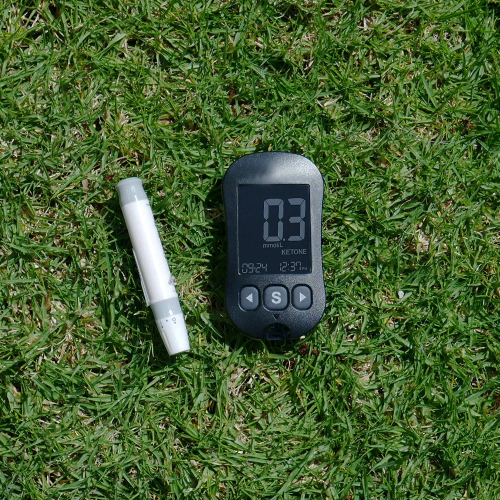
Carbohydrates are digested into glucose, so the amount of carbohydrate in a meal has the biggest single effect on how far blood sugar rises afterwards. Eat fewer carbs and there’s less glucose to deal with. With type 2 diabetes, the body’s response to insulin is weaker, so that difference shows up clearly on a glucose meter.
Weight loss adds a second effect. Losing weight often improves insulin resistance, and many people lose weight in the early months of keto, partly because protein and fat are filling. Our guide to keto and insulin resistance explains the link in more detail, and our article on the glycemic index covers why some carbs raise blood sugar faster than others.
What the evidence shows
The best summary so far is the 2021 BMJ systematic review by Goldenberg and colleagues, which pooled 23 trials with 1,357 participants. It found:
- At 6 months: more people on low-carb diets reached remission (HbA1c under 6.5%) than on control diets, along with larger improvements in weight, triglycerides and insulin sensitivity.
- With a stricter definition: when remission had to happen without diabetes medicine, the benefit was smaller and not statistically clear.
- People on insulin: remission rates were markedly lower when people using insulin were included.
- At 12 months: there was little data, and the results ranged from a small benefit to none.
Other evidence points the same way. In the Keto-Med trial, 33 adults with prediabetes or type 2 diabetes spent 12 weeks each on a keto diet and a Mediterranean diet. HbA1c improved by a similar amount on both, but LDL cholesterol rose about 10% on keto and fell about 5% on the Mediterranean diet. People also found the Mediterranean diet easier to stick to. Harvard’s Nutrition Source notes that after a year, keto diets don’t clearly beat other weight loss diets.
Diabetes UK says a low or lower carb diet has helped some people with type 2 diabetes lose weight, lower their HbA1c, cholesterol and blood pressure, and cut down on medication. So keto can work. It just isn’t the only approach that does.
Keto, low carb and remission
These terms are often mixed up:
| Approach | Typical carbs per day | Notes |
|---|---|---|
| Ketogenic diet | Under 50 g, sometimes 20 g | Strict; most bread, rice, pasta, potatoes and fruit are out |
| Low-carb diet | Under 130 g | More flexible; allows some fruit, legumes and whole grains |
| Low-calorie diet | Not fixed | Total calories are cut, often with meal replacement shakes at first |
Remission means blood sugar stays below the diabetes range without medication. An international consensus report defined it as an HbA1c under 6.5% (48 mmol/mol) measured at least 3 months after stopping glucose-lowering medicine. Remission isn’t permanent: blood sugar can rise again, especially if weight returns, so regular checks continue.
Low-carb diets aren’t the only route. In the DiRECT trial, a supervised low-calorie program put almost half of participants into remission at 12 months. Weight loss seems to be the common thread.
Medicines: the part you can’t skip
If you take diabetes medicine, cutting carbs sharply can change how much you need within days. These are the main risks:
| Medicine | Examples | Risk when carbs drop | What usually happens |
|---|---|---|---|
| Insulin | All types | Hypoglycaemia (low blood sugar) | Doses often need lowering as soon as you cut carbs |
| Sulfonylureas | Gliclazide, glipizide, glimepiride | Hypoglycaemia | Dose may be reduced or stopped |
| SGLT2 inhibitors | Dapagliflozin, empagliflozin, canagliflozin | Diabetic ketoacidosis (DKA) | Your team may advise against keto while you take them |
| Blood pressure tablets and diuretics | Many | Dizziness, dehydration | Blood pressure may fall as weight drops |
| Metformin | Metformin | Low risk of hypos on its own | Usually continued |
The SGLT2 warning matters most because it’s easy to miss. The UK’s medicines regulator lists restricted food intake and severe dehydration among the risk factors for DKA with these drugs, and notes that blood sugar was sometimes only moderately raised, which can delay diagnosis. A 2026 review of who shouldn’t follow keto lists SGLT2 inhibitors, insulin, sulfonylureas and diuretics among the medicines that need review first.
Never change or stop a medicine on your own. Your doctor, diabetes nurse or pharmacist can make a plan that cuts doses safely as your carbs come down.
Warning signs to know
A hypo (low blood sugar). The NHS lists sweating, shaking, hunger, feeling anxious or irritable, tiredness, a fast heartbeat and blurred vision. If your reading is below 4 mmol/L (72 mg/dL), treat it with something sugary, such as a small glass of fruit juice or 5 glucose tablets, and check again after 10 to 15 minutes.
DKA (diabetic ketoacidosis). The NHS guide to dapagliflozin describes it as making you feel very thirsty, confused or unusually tired, or giving you breath that smells sweet. Nausea, vomiting and stomach pain are also common. DKA is an emergency: get medical help straight away, even if your blood sugar isn’t very high.
Other risks to weigh
- LDL cholesterol can rise on keto, especially with lots of saturated fat. People with type 2 diabetes already have a higher heart risk, so ask for a lipid check after about 3 months. Our guide to keto and cholesterol explains what to do if it goes up.
- Fiber often falls when grains, legumes and fruit are cut.
- Kidney stones are more common on long-term keto diets.
- Keeping it up is hard for many people, and weight regained after stopping tends to bring blood sugar back up.
Our article on whether keto is safe long term looks at these risks in more depth.
How to try lower carb with type 2 diabetes
- Book an appointment first. Take a list of your medicines and ask how each one should change.
- Agree how often to check your blood sugar in the first weeks, and what readings mean you should call.
- Consider starting at moderate low carb (around 100 to 130 g a day) before going lower. Many people see good results without full ketosis.
- Build meals around non-starchy vegetables, with fish, eggs, chicken, tofu, Greek yogurt, nuts, seeds and olive oil. Our keto food list has ideas.
- Favor unsaturated fats over butter, cream and processed meat.
- Keep fiber up with vegetables, berries, nuts, seeds and small portions of legumes.
- Drink enough fluid, especially in the first weeks, when you lose more water.
- Review at 3 months: HbA1c, weight, blood pressure, cholesterol and kidney function.
Is keto the best diet for type 2 diabetes?
No single diet suits everyone. Low-carb, Mediterranean, low-calorie and plant-based approaches can all improve blood sugar, and weight loss drives much of the benefit. The best choice is the one you can keep up for years, planned with your diabetes team. Our Mediterranean diet guide is a good place to compare.
Common questions
Can keto put type 2 diabetes into remission?
It can for some people, mostly through weight loss and lower blood sugar. In the BMJ review, remission was much less common in trials that included people using insulin. Remission has to be confirmed with blood tests, and your HbA1c still needs checking regularly afterwards.
Is keto safe with type 1 diabetes?
Type 1 diabetes carries a much higher risk of DKA and hypos, so keto should only be tried with close support from a specialist team.
How quickly will my blood sugar change?
Often within days. That’s why medicine doses may need to change at the very start, not weeks later.
Can I eat fruit on a low-carb diet for diabetes?
On a moderate low-carb plan, yes. Berries are lower in carbs than most fruit. On strict keto, fruit is limited to small portions.
Safety note: Keto isn’t suitable for everyone. If you have diabetes, kidney or liver disease, take regular medication, or are pregnant or breastfeeding, talk to your doctor before cutting carbs this far (why it matters).
This article is general information, not medical advice. Talk to your doctor or a registered dietitian before making big changes to how you eat, especially if you have a health condition, take regular medication, or are pregnant or breastfeeding.